Category Archives: Social issues

Summer Work

Summer Work

By Maggie D., Washington

Summer time is here
Gardens to tend
Money to spend
For back to school
Clothes
That are not too old
Bought at the thrift store
Some will need mending
Others will profit from
Two washes
My gosh
Summer is passing
As quick as a wink
When I think of the
Days disappearing among
The harvested corn
And winter squash

—maggie d., retired educator and African American poet, Washington. She adds: “Summer Work errupted from memories of my grandmother’s farm in Oklahoma.”

Smoky Skies

Smoky Skies

By Joyce Lazarus, Ph.D., Massachusetts.

Note: This is a fictional story, based on actual events. The names have been changed to protect the identities of the plaintiffs.

Rachel sits down on a riverbank, shaded by a giant cottonwood. Its silvery leaves turn in the breeze, shielding her from the stifling August sun. She stares at sunburnt grasslands and distant blue hills on her ranch in Montana, where her family has been ranching for generations.

Something catches her eye. She looks toward the west and sees plumes of dark smoke rising, reddening in the afternoon sun. Dark, billowing clouds are filling the sky, blotting out sunlight.

“Dad, do you see the smoke?” Rachel calls to her father.

“No. Where is it?”

Rachel starts running toward the smoke. She spots a wildfire in the distant hills, its orange flames devouring the withered forest. With no rain for the past three weeks and a severe heatwave, there is little they can do to stop wildfires from spreading. She already knows of twenty-five other fires this summer, less than fifty miles from their ranch.

How long before one of these wildfires reaches their ranch? How can they stop fires that spread so quickly, whipped up by winds?

The look on Dad’s face tells Rachel how concerned he is.

“Let’s hose down the house and barn,” he says. “We’ll bring in the cattle and horses.”

Rachel learned about climate change when she was eleven and thought it was something she could do nothing about. Now thirteen, she feels her stomach twisting into knots, panic surging. Her whole ranch could be destroyed! How can she stop something so powerful?

Every year there are more storms, droughts, wildfires, heatwaves―every kind of natural disaster. Rachel understands that burning coal and other fossil fuels are a major cause of climate change, but most people she knows do not want to admit this. They shrug their shoulders, saying, “Let nature run its course. We’ll get through this crisis like we always have.”

Many people do not see things as Rachel does. When she learned in science class that humans have only about seven years to act before irreversible harm is done to the Earth, it hit her very hard. She knows the feeling of smoke caught in her throat, of dense gray smog blocking out sunlight. She is just a teenager, but if teens don’t try to solve this climate crisis, who else will?

Rachel has nightmares about fires sweeping across her ranch. She sees herself racing to save her family, horses, cattle, and little dog, Felix. She wakes up covered in sweat.

 ***

She isn’t the only teen in Montana worried about climate change. Since joining a climate action club, Rachel has gotten to know Nora. Nora tells her that every time she hears about wildfires, it feels like getting punched in the stomach. When Nora watched Greta Thunberg on TV, speaking at the United Nations, asking world leaders, “How dare you?” it took her breath away. This was the first time someone close to her age expressed the anger and determination to do something that Nora felt.

Later that month, Nora brings her exciting news.

“There is a law firm, Rachel, “Our Children’s Trust*,” that can help us sue the State of Montana for not protecting us against climate disasters. I plan to join the lawsuit.”

“Really?”

“The state constitution says that all Montanans are entitled to a clean and healthful environment. When fossil fuel companies drill into the land, polluting the air and water, they disregard what science has been telling us for decades about dangers to the environment.”

“What do we need to do?”

“We should sign up as plaintiffs, to explain in court how climate change has harmed us, then talk about our fears for the future. We’ll tell our lawyer, Janet Olsen, what disasters might occur if we don’t act soon.”

“You’ve convinced me, Nora. I’ll join!”

“Your story is much more persuasive than mine, Rachel. Your ranch has come close to being destroyed by wildfires! Why don’t you represent our group and I’ll give interviews to the press? We’ll work together to win this case!”

Rachel, Nora, and fourteen other teens join the lawsuit against the State of Montana.

***

While Janet Olsen prepares arguments for the trial, Nora gives interviews to the press. Articles soon appear in newspapers all over the country. TV news anchors speak of “the kids who are leading the way to save the US from climate catastrophe.”

Rachel Heller gives her name to the lawsuit, “Heller v. Montana,” since her story makes the strongest case for acting quickly.

After three long years, their lawsuit makes it to court―the first time in US history that a kids-led climate lawsuit goes to trial.

***

One hot June day in Helena, Montana, the trial begins.

Teens stand up in court one after another to tell the judge how climate change is harming them.

Sara, sixteen, says that her life as a member of the Diné Tribe is completely tied to nature.

“We tell many stories to our people,” Sara says. “We can only tell a Coyote story if there is snow on the ground. But the time left to share these stories is getting shorter, with so little snow in winter. What will happen to our stories when there is no more snow?”

Lilian, from the Crow Tribe, speaks about a summer tradition, Crow Fair, with its rodeo, traditional dances, and parades. Because of intense heat, the fair was cancelled this year.

“If you miss Crow Fair, you’ve missed something that’s part of your identity,” Lilian says. “We’re taught that we have three mothers: your natural mother, your home, and Mother Earth. Taking care of all three is our responsibility.”

Rachel, Nora and others stand up and talk about the harm caused by climate change.

The judge thanks everyone for their testimony.

***

One day in July, the judge announces that she has reached a verdict. All sixteen plaintiffs file into the court and nervously sit down.

The judge reads: “We find the plaintiffs’ arguments for protecting Montana from the harmful effects of climate change to be convincing. We rule in favor of the sixteen plaintiffs.”

Loud cheers and applause greet the children as they leave the courthouse. Nora and Rachel lift their fists, crying, “We are heard! We are heard!”

Rachel later says to Nora, “We can’t save the planet by ourselves, but we took a first step. Others will follow.”                             

—Joyce Lazarus, Ph.D., Massachusetts. is a retired French professor and an author of a number of books.  A grandmother to three children, Joyce has also published several children’s stories. She adds: “I feel inspired by my three grandchildren, and am concerned about the growing climate crisis that their generation will face.  My hope is that young people, like the characters in this story, will find ways to mitigate the threat of climate change, to protect and preserve our precious Earth… My aim in writing this story is to show young people that they can help make a difference by recognizing that they are stewards of the environment.”

* Our Children’s Trust is a national nonprofit based in Eugene, Oregon. Their mission statement reads: “Our Children’s Trust is a non-profit public interest law firm that provides strategic, campaign-based legal services to youth from diverse backgrounds to secure their legal rights to a safe climate. We work to protect the Earth’s climate system for present and future generations by representing young people in global legal efforts to secure their binding and enforceable legal rights to a healthy atmosphere and stable climate, based on the best available science.
“We support our youth clients and amplify their voices before the third branch of government in a highly strategic legal campaign that includes targeted media, education, and public engagement work to support the youths’ legal actions. Our legal work—guided by constitutional, public trust, human rights laws and the laws of nature—aims to ensure systemic and science-based climate recovery planning and remedies at federal, state, and global levels.”
To learn more about them, please visit: https://www.ourchildrenstrust.org



Why Aren’t We?

Why Aren’t We?

By Henry Bakos, H.S. Junior, Washington

There are an uncountable number of things I should be doing.
This very instant.
The should-be’s of
working on late homework,
responding to friends,
thinking of my future…

But am I?
No. And I’m pretty sure I’m not the only one.

How many late math papers,
waiting friends, unplanned futures
do you think are out there? Why?

The mass of problems plague this world,
climate change, racism, homophobia, misogyny,
and the fact that kids are being slaughtered.
By their own classmates.
Why is nobody else climbing this bloody hill
to take down this monument of debt, death and deceit?

These things should be universally abhorrent,
they should be struck down the moment their ugly head
emerges from their loathsome den.

I’m just a White boy
who checks almost every box for privilege,
who hasn’t seen half of the atrocities that ravage our world.
Compared to many I live in a small, safe haven
that sure has its issues but what doesn’t, right?

I live shielded
in a society that covers up the very thing I’m being shielded from,
letting me ignore the beast
that ravenously takes black men
and imprisons them.
Or the ghoul that makes women watch over their shoulders
every time they leave their house.
Or the fiend whispering in Asian student’s ears,
making them feel worthless
when not living up to the stereotypes that plague them.

Because of who I am,
who I was born to,
who I wish to be,
I have not had to experience these,
only watch from out the window.
And even then, I know things must change.
Why does it seem that
not one person
seems to be sucked into this endless vortex,
this gyre of problems,
that seems to conquer anything foolish enough to approach it?

But wait.
Maybe that’s the problem.
Maybe nobody is willing to sail into this whirlpool
for fear they will be sucked down
and have left no more impact than a small wake that quickly fades
too fast for anyone to even realize it was ever there.
But surely it can’t swallow us all.

Surely if we just tried hard enough,
if we were smart enough,
and if we read the wind,
we should be able to find a path through it,
and get to the beautiful warm shallows
where we find nothing but a cool breeze
and the water is so still that
there is not even a pull of the tides.

—Henry Bakos, High School Junior, Washington. 

World Environment Day, June 5

The World Environment Day, June 5

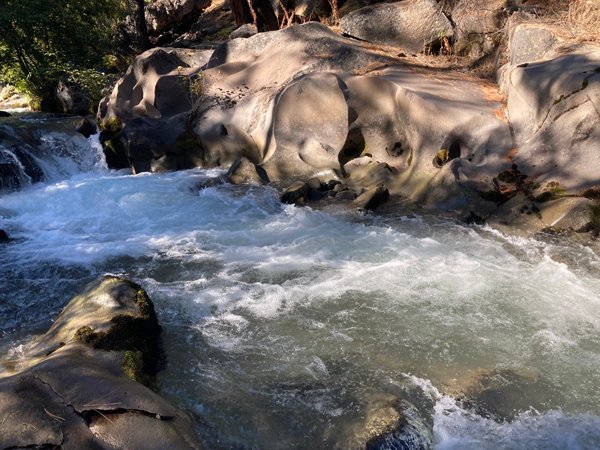
Snow-fed mountain streams bring us water year around. Photo taken in the Oregon Cascades by Arun N. Toké.

Greetings! We wish you all a very happy World Environment Day, being observed today (5 June 2024) around the world with the theme of Land restoration, desertification and drought resilience.

World Environment Day is one of the biggest international day for remembering our relationship to the environment. Led by the United Nations Environment Program (UNEP), and held annually since 1973, it has grown to be the largest global platform for environmental outreach (similar to the Earth Day that has been observed in the United States since 22 April 1970). It is celebrated by millions of people across the world.

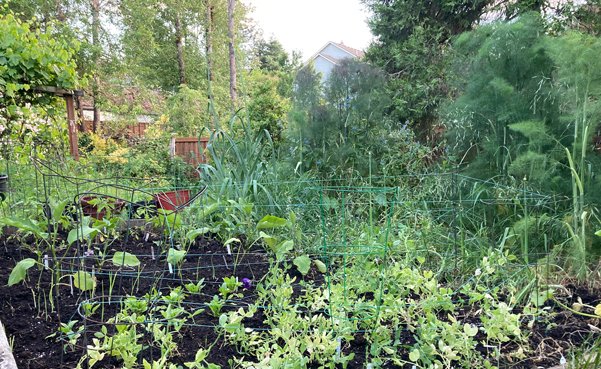
Our Backyard Garden. Photo: Arun N. Toké

Early this morning, as I began my day, I ventured out in our backyard garden, nibbled on a handful of berries that had ripened, and looked at how the garden was doing in the warm, late spring weather. Then later while I bicycled to work, I enjoyed the clean air that I breathed in and appreciated the shrubs and trees that enlivened my way to work. This daily, relaxed way of commuting to work gives me some time to think on what I need to focus on at work and to plan my day to achieve the needed tasks.

Without the natural environment (aka biosphere) that makes life on our precious Earth possible, we simply can’t exist. We owe Mother Nature our immense gratitude for this lifetime of opportunity to experience the incredible beauty and complexity of life.

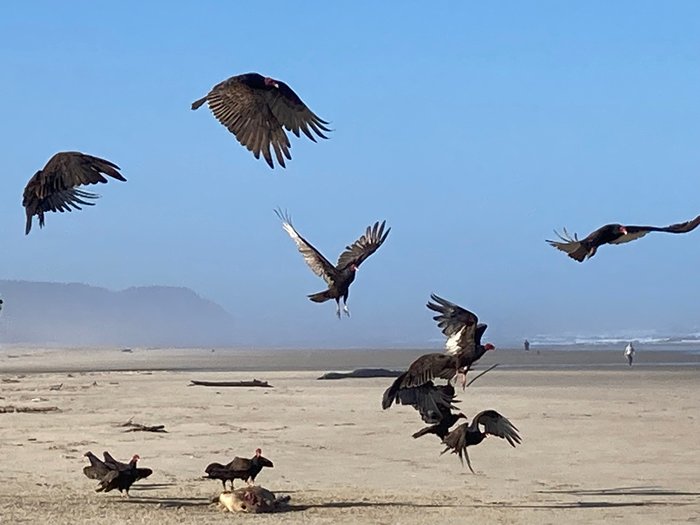
Vultures Devouring a Dead Seal on the Waldport Beach, Oregon. Photo: Arun N. Toké

Let us do everything humanly possible to keep the biosphere intact. Let’s appreciate what nature has sustained for millions of years. Human life has been around for just a small fraction of that time. True, with our intelligence and industry, we are able to alter the natural conditions in our surroundings for our temporary pleasures. And that is a big problem! We don’t see the long-term impact of what our technology and industry, economic and political systems, and greedy ways are able to do.

Land restoration is a key pillar of the UN Decade on Ecosystem Restoration (2021-2030), a rallying call for the protection and revival of ecosystems all around the world, which is critical to achieving the Sustainable Development Goals. Visit the World Environment Day website.

As we observe the World Environment Day, I would like to leave you with some images I carry with me on my cellphone. Whenever I look at them, I remember my immersions in nature—be it working in the garden, camping, hiking, and wandering through the woods, rafting in a river, kayaking in a quiet lake, or feeling tiny in the vicinity of the Pacific Ocean—that these moments represent.

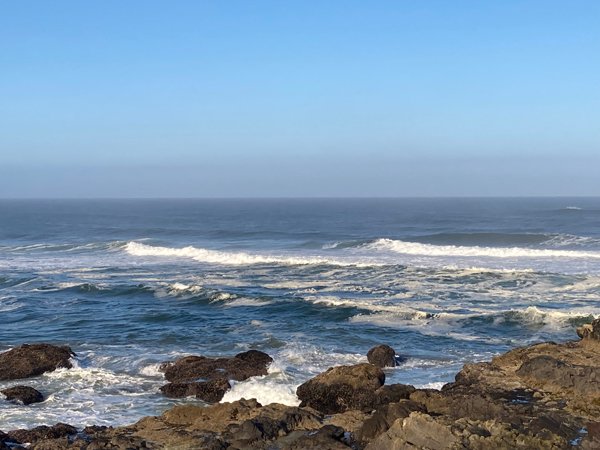
Pacific Ocean near Yachats, Oregon. Photo: Arun N. Toké

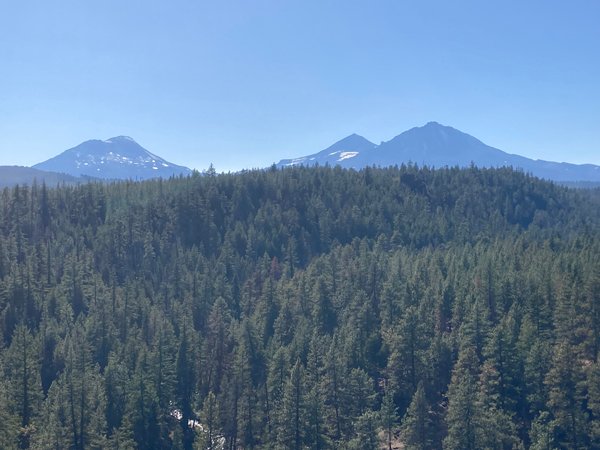
Three Sisters, Oregon Cascades. Photo: Arun N. Toké

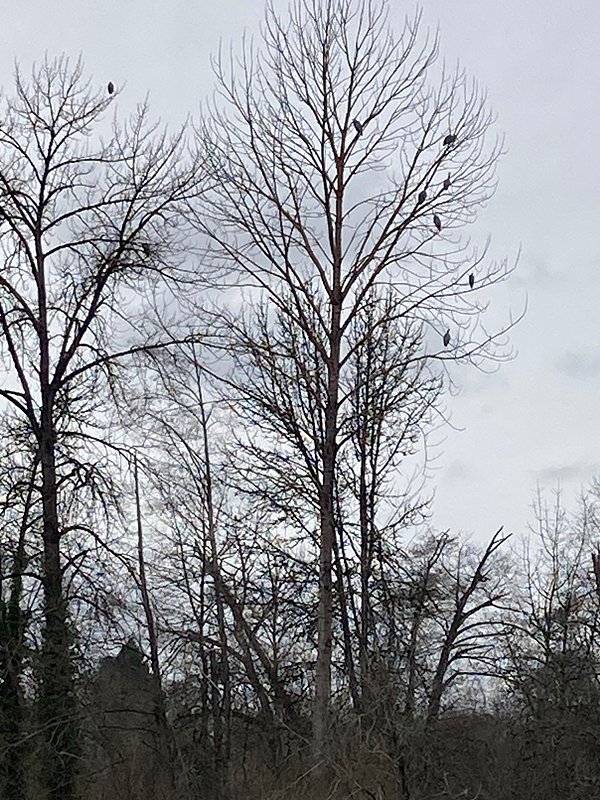
Many Great Blue Herons Enjoying a Winter Afternoon near the Delta Ponds, Eugene. Photo: Arun N. Toké

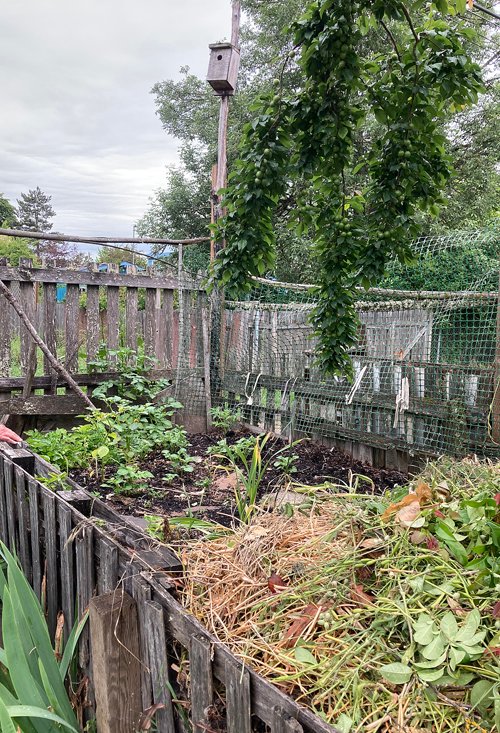
A Big Compost Bin in my Friend’s Backyard Produces Rich Soil for Garden. Photo: Arun N. Toké

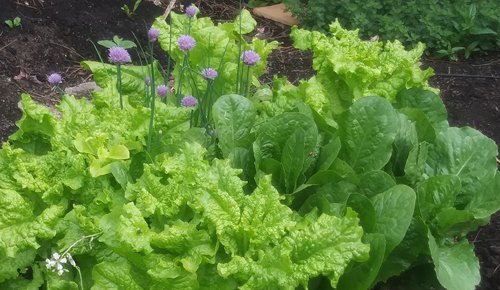
Paul Dix’s Lettuce and Chives Patch Produced Tasty Greens! Photo: Arun N. Toké

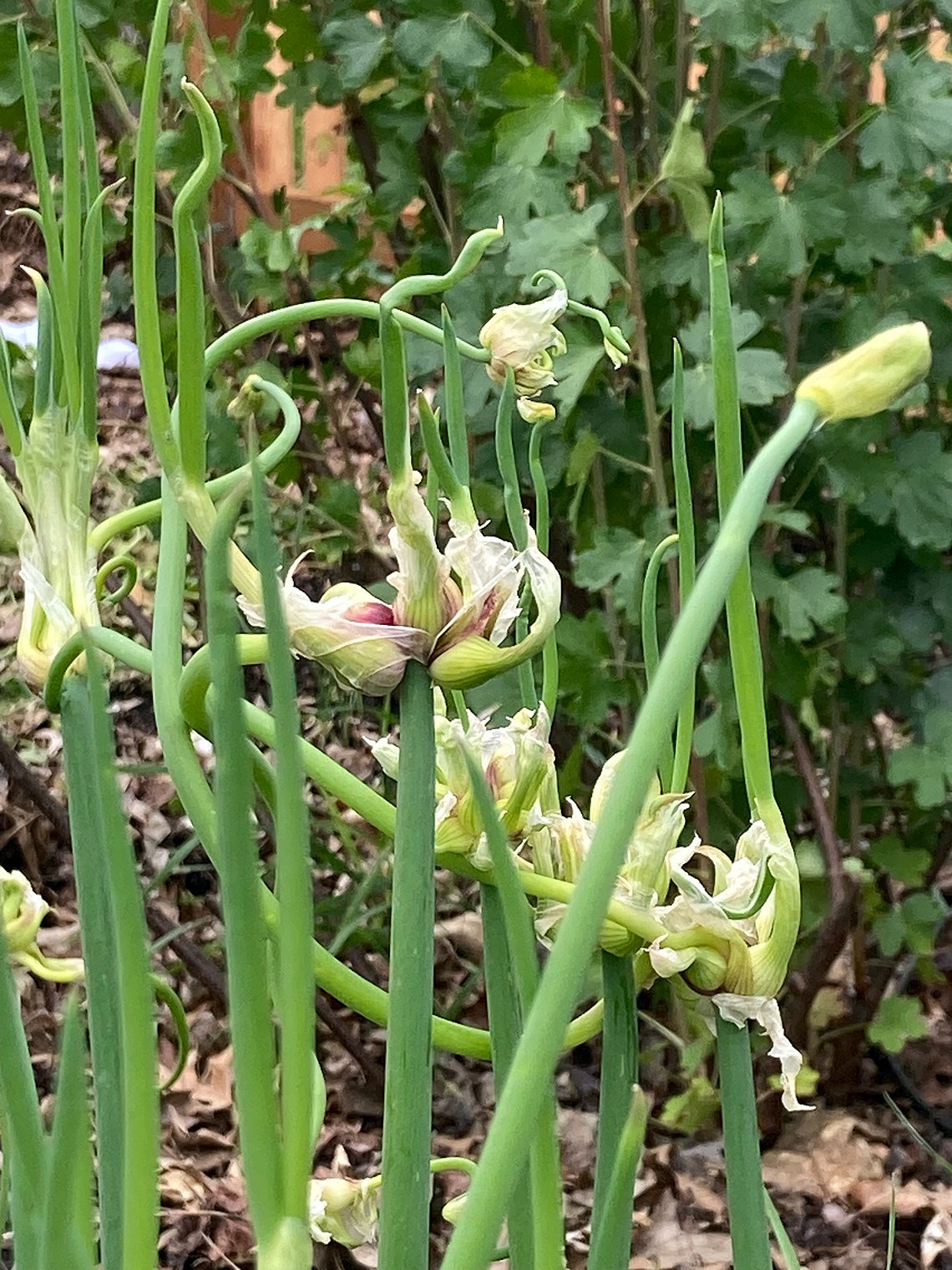
“Walking Onions” in Paul Dix’s Garden Provide Onions, Season after Season! Photo by Arun N. Toké.

Whispers in the Waves

Whispers in the Waves

By Ella Schott, h. s. junior, Connecticut

When she first arrived in the small town, she realized how much quieter life was on this side of the world. Everything moved slower in a village that was cradled by the ocean, rocked to sleep every night by its gentle lull. There was a rhythm to life in a world so remote from everything that moves to tick of a stopwatch. Milliseconds and seconds dividing up the days until life is fragmented, shattered by time. To some it is a mosaic, but others can’t swallow the shards.

Few nervous tics remained with her, the scratching at her ears, rubbing of her eyes, clicking of her fingernails. She could walk in silence without the need for a drone in her ears. When she first found herself able to exist in the silence, she was brought to tears.  

One afternoon she wandered down to the shore, stripped off her sandals and made her way into the open arms of the ocean.  

Since she was a little girl, and her family first visited the ocean, she could hear the waves calling to her. She had lived by a beach, but this was the real ocean, not one gripped by land.  

Dancing with the waves, back and forth, the foam playing at her feet. Finally, she gave in, picking up her skirt and running full force against the waves. When she was little her mother would try to hold her hand, pull her away from the rapture of the waves. Her mother would explain that one should wait until the waves receded, then dash for deeper water. But she always plunged in just when she knew she might be knocked down, when the sea was beckoning to her with curling foam.

She reveled in the thump of the wave against her torso. A few more steps and she dove under the wave, eyes pressed tightly together. When she emerged, she could float on her back on waves that were yet to be born.  

Lying there, she watched the sun crisp the tops of the waves, closing her eyes every so often. The ocean wrapped its soothing fingers around her.  

I wish I could lay here forever.  

—Caecilia (Ella) Schott, high school junior, Connecticut. She writes:
“I am an avid writer. My cultural background is German and Norwegian, but my family has been in America for a long time. I speak English and recently earned my seal of bi-literacy in French for speaking, reading, and writing… I find comfort and companionship in animals. I also foster cats, and volunteer at my local pet store. My dream is to become a professor of English and History. I was inspired to write this short story by my own connection with nature, and fear of losing it.”

Educational Struggles in Latin America

Educational Struggles in Latin America

By Camila Ayala, age 17, Georgia

“I spent much of my childhood in Honduras, where I was able to observe firsthand the disregard for children’s education. Children without the means to pay for tuition were not assured of a quality education. Later, I was fortunate enough to move to the United States. Nevertheless, when a family member who works as a teacher in Honduras begged my family for school supplies for the children she teaches, I was moved to revisit this harrowing subject. She mentioned the number of children who don’t even have notebooks or pencils. These children also had difficulty traveling to school, and once they were there, they were not provided with the necessary amenities, such as air conditioning in the classrooms to deal with Honduran intense heat. I was astounded at how little thought was given to obtaining the right materials for these young students, and how the teachers were forced to seek assistance because they were not receiving any. My awareness of the severity of the issue has increased as a result of these first-hand encounters, which is why I feel compelled to discuss it and perhaps help others see how serious it is.”

In America, the majority of children eagerly await their summer break. They look forward to living in June and July, when there are no obligations related to school. These children enjoy those months as they are unaware of the privileges of the months that come before June and July. These formative months are filled with possibilities for education.

In contrast, according to Latin America Resource & Training Center (2023), only about 46.8% of children in Latin America are thought to have completed their high school education, compared to 86.7% in the United States. Moreover, approximately 50% of Mexicans, Colombians and Brazilians do not have the skills necessary to solve simple math equations or to explain basic scientific phenomena. They are not granted the same benefits as the children who look forward to summer vacation, the same children who possess something so precious that appears to be a burden to them: an education. Due to their poverty and the lack of government support for these issues, these kids are unable to receive the fundamental right to an education. Additionally, for those that do, the challenges of poverty resurface, forcing them to drop out of school and find employment abruptly in an attempt to support their afflicted family.

The ability to receive a quality education creates a clear divide between the rich and the poor in Latin America. Identity, background, and ability determine educational opportunities for many of these children. According to the Global Education Monitoring Report, “In Panama, 21% of indigenous males aged 20 to 24 had completed secondary school, compared with 61% of their non-indigenous peers, in 2016. In Paraguay and Honduras, 32% of indigenous people are illiterate. Afro-descendants were 14% less likely in Peru and 24% less likely in Uruguay than non-Afro-descendants to complete secondary education in 2015. On average, 12-to 17-year-olds with disabilities were 10 percentage points less likely to attend school than those without disabilities.” These unfortunate children on the other side of the border struggle with discrimination in their education, which leads them to not qualify for prosperous jobs in the future. In a report published by the World Bank it was determined that the completion rates of lower-secondary school are lower for boys than for girls in most Latin American and Caribbean countries. All these factors contribute to children remaining in poverty, unable to access proper education, and subsequently as adults, they bring up children who also face similar struggles, thus continuing the cycle of poverty. Additionally, the World Bank in Latin America and the Caribbean (2023) states that Latin America was the area most severely affected by the COVID-19 pandemic, which caused many school closures.

It is still challenging to offer these students the education they need and return to normalcy following COVID as a result of the lack of resources in most Latin American countries. Even the kids who are lucky enough to attend school frequently struggle to get enough supplies. In several countries, buying school supplies is not a yearly ritual, and many children are lucky to own a book-bag at all. For these kids, going to school is a hardship in every way, including getting the materials they need for the entire school day.

Finding qualified educators to instruct these receptive minds also becomes difficult, particularly in underprivileged areas where a large proportion of the people lack the necessary skills. Furthermore, children’s transit to the schools is often troublesome due to the rural seclusion in some areas. A report by UNESCO highlighted that “while nearly all children living in urban areas eventually enter the education system, the problem of lack of access to primary education is much greater for those living in the more impoverished rural areas.” Families often find themselves contributing to the truancy of the children, as the students oftentimes forgo attending school altogether due to the family’s inability or stagnation in their efforts. I have seen first hand that often the rural communities are less developed and therefore more impoverished. By giving more focus and resources to something that’s so important, many of these problems could possibly be mitigated over time. These children are their most valuable resource, yet they aren’t receiving the education needed to succeed in life and improve the communities in which they live.

Much of this could be improved by making efforts to fund school infrastructures and guarantee an equitable resource distribution. Everyone should be able to learn, regardless of their financial situation, so more efforts should be made to support children from low-income families and to provide them with high-quality education and whatever flexibility they may require. In order to help these children as well as themselves, the governments of Latin America should take a more serious approach to the problem of inadequate education. After all, as more people receive adequate education, more prosperity will be brought to these nations.

The education of these young people deserves international investments, and even though we reside far from them, we can still contribute by supporting educational initiatives financially and in other ways. Individuals possessing financial resources and power ought to think about investing in something truly worthwhile. Even though going to school can be stressful, knowledge and growth serve as the cornerstone for all future endeavors, and when these things are denied to you, your life’s foundation begins to splinter. We ought to remain strongly committed to education for all because it’s not always a given and those who understand its value should do their part to assist the unlucky ones around the world who lack it.

By Camila Ayala, age 17, Georgia. Having migrated from Honduras as a child, Camila is fluent in Spanish and English. She values family time and her education. Discovering a passion for writing, she dreams of becoming a lawyer to help those in need. Her future is guided by a desire to advocate for justice and compassion.

References:

Celebrating Earth Day!

Celebrating Earth Day!

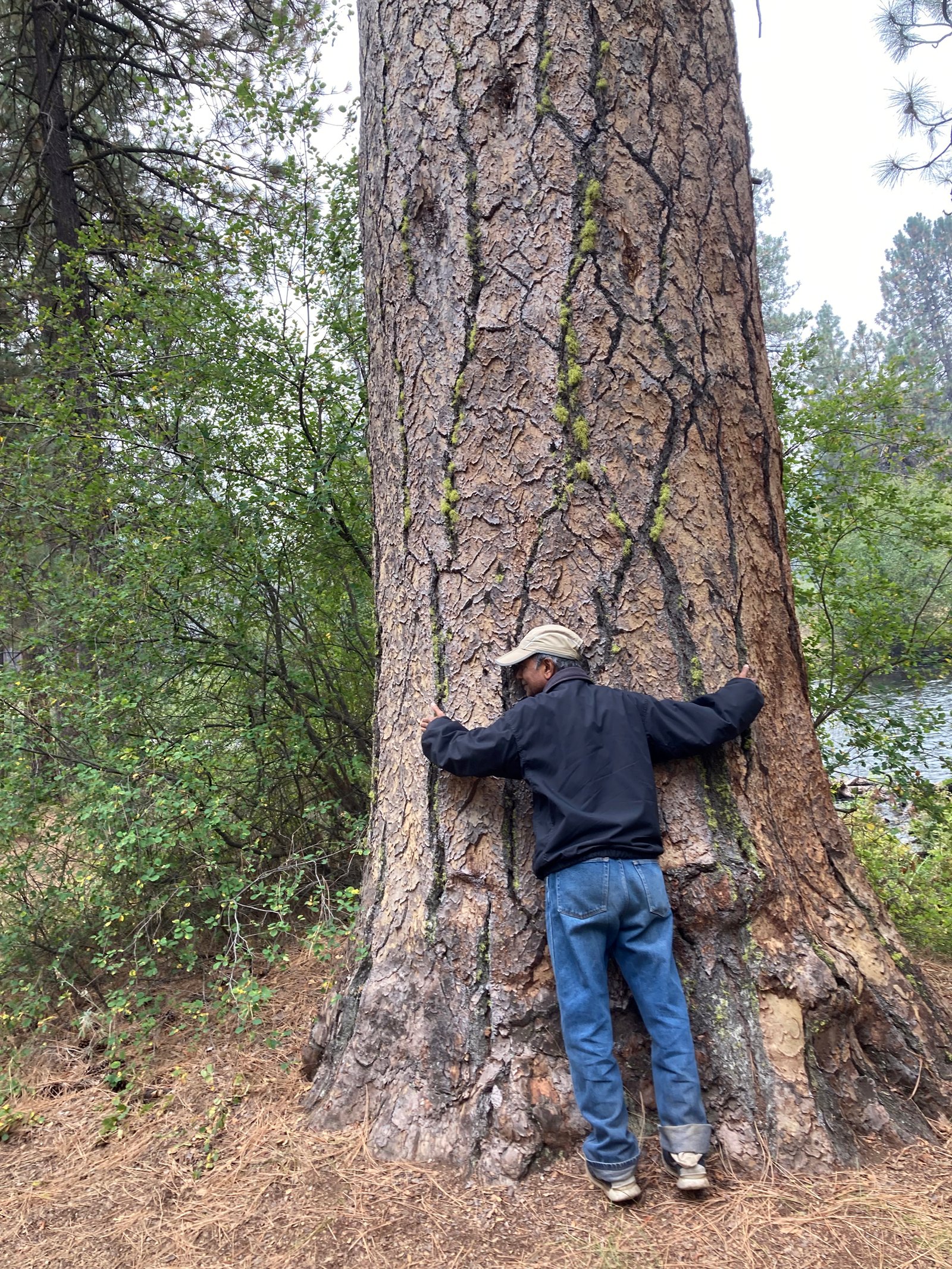
Hugging an Evergreen Tree on a hike in Central Oregon. Photo: Mel Bankoff, Oregon.

Earth Day Greetings!

As I bicycled to work this cool, breezy spring morning in the Pacific Northwest, I admired the many new shoots reaching for the sun, and spring flowers seeking bees and other insects along the bike trail and sidewalks. I vividly recalled my childhood in central India. We lived in an apartment building right in the middle of downtown in the city of Indore. There was no room for any backyard gardens. But we had a very small windowsill garden space for a couple of pots. I remember the excitement I felt as the garbanzo bean plants grew new leaves or when those beautiful red flowers appeared on another potted plant.

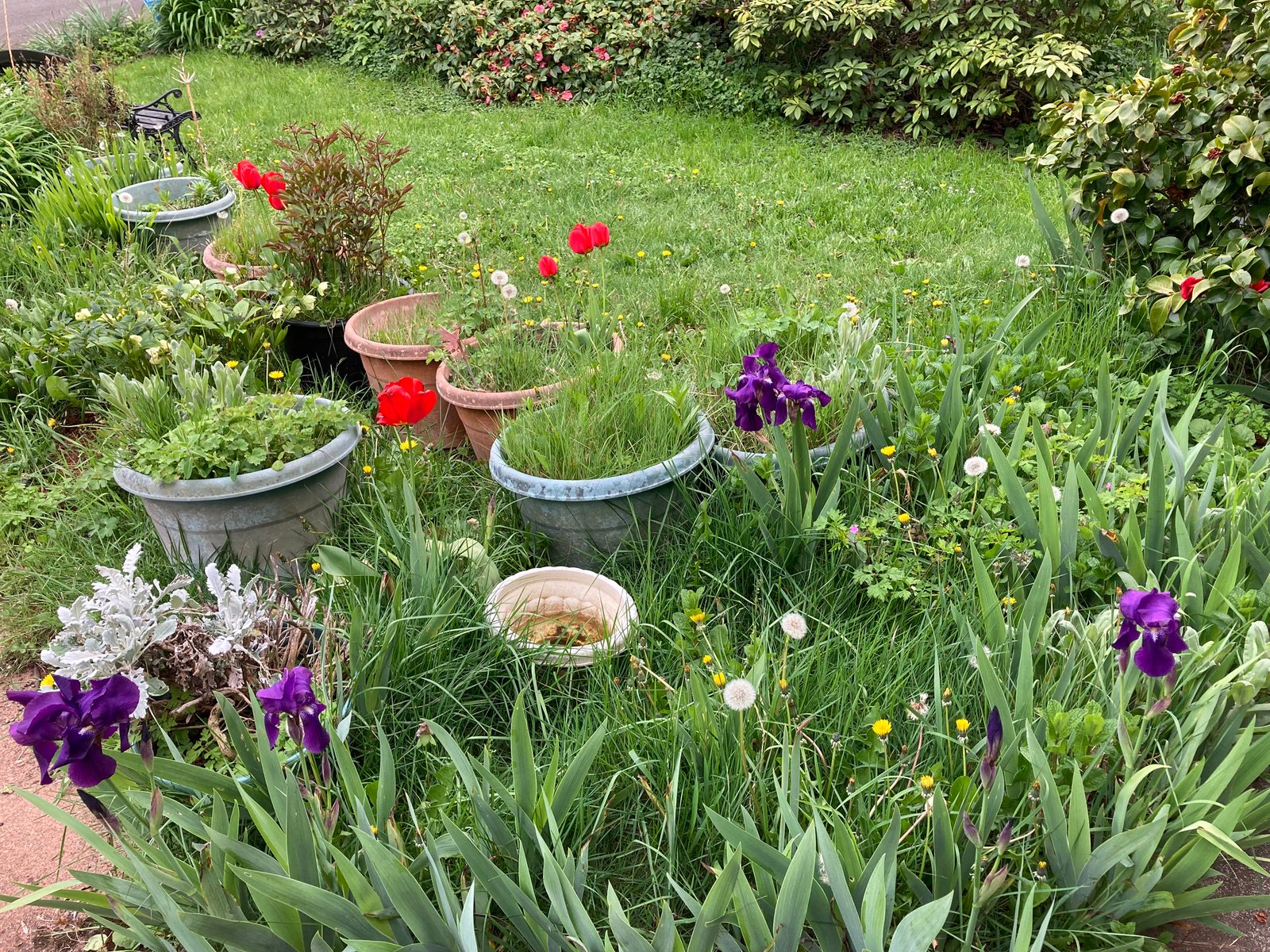
Almost Everything in the Garden is Growing Vibrantly.  Photo: Arun N. Toké

We have been enjoying spring flowers in our garden, and harvesting arugula, fennel shoots, green onions, etc. Apple trees and various berries are doing their usual spring growth with a promise of bountiful fruit harvest! And, various nature hikes in the area fill our hearts with a sense of appreciation and gratitude to Mother Nature.

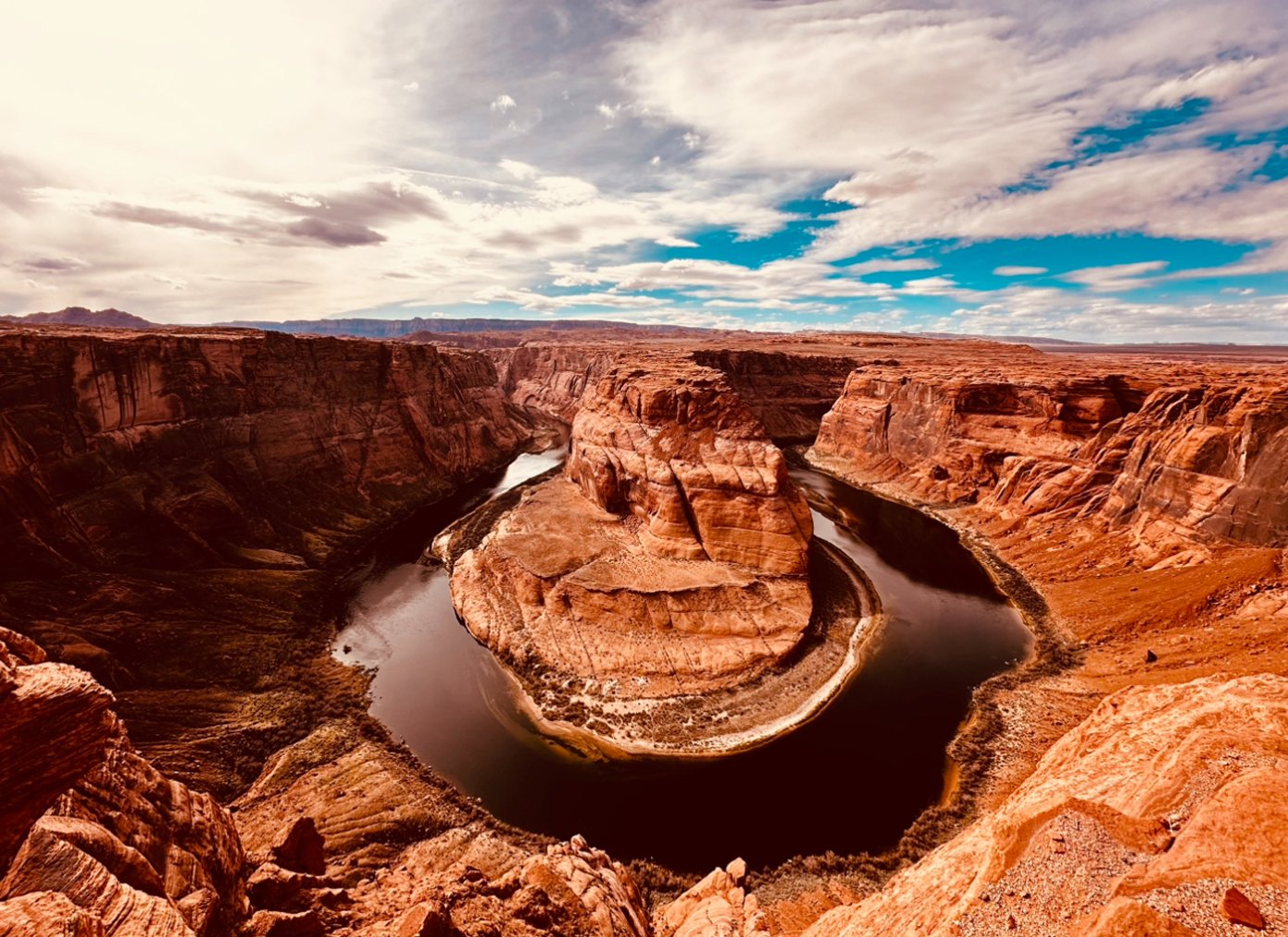
While many of us might be looking forward to visiting some special wonders of nature during school break this year—Denali, Yellowstone, Grand Canyon, Grand Titon, Redwoods or another beautiful place—like the Horseshoe Bend in Arizona, let us not forget that natural beauty can be found all around us, even in our backyard!

Horseshoe Bend, Arizona. Photo: Arianna Shaprow, age 13, Nevada.

Yet, I must share my deep sadness with you. Everyday, I am feeling the pain of countless children, mothers and fathers in places like the Gaza, Sudan, and Ukraine, where wars, climate change and droughts make living conditions dire for tens of millions. The military operations and environmental destruction responsible for human suffering go on unabated. Governments, including ours, are unresponsive to the needs of innocent, civilian victims. The human rights of millions of children, women and men are being violated. They are forced to live in subhuman conditions. Even in our own cities all across this so-called rich nation, countless homeless men and women live in less than desirable conditions. We are told there is no money for social programs, as the government spends close to a trillion dollars on feeding the war machines.

Skipping Stones, like any other socially responsible media outlet, has often shed light on the plight of suffering humanity around the world. While we don’t want to forget this pain and suffering, we also don’t want our readers to get depressed by the doom and gloom that’s all around us.

The list of issues we can and must face is long. It includes our ever-increasing use of plastics and forever-chemicals, the decimation of insect and bird populations, the climate change, disappearing glaciers, deforestation and destruction of natural habitats, over-fishing and overgrazing, mindless mining of fossil fuels, environmental pollution, groundwater contamination, land-use issues, nuclear weapons, environmental and social justice, and homelessness, poverty and hunger. You can add many more items to this list—both of local concern and global importance!

Our future survival and flourishing depends on how we respond to these problems we have created with our ever-increasing consumption of resources, economic systems, greed, privatization and exploitation of resources, for example.

You might like to ask yourself a few deep questions (see some examples below) and try to answer them honestly and at length:

What do we love about where we live?
How can we make a difference right where we are planted, in our communities?
How can we let Mother Earth know how much we love her?
What might we cultivate in our own backyard?
How can we help out our neighbors?
What small thing might we do today to heal the world and ourselves?
What is happiness?
What makes us really happy—happiness that might last for a really long while?
How much of material consumption is sufficient or plenty for our happiness?
What is the law of diminishing returns?
What is the difference between needs and wants?

And as a group of friends or community, we might ask:

Can an economy based on ever-increasing growth be sustained? 
Can we continue to use natural resources in an uncontrolled manner?
What can we as a community or society do to minimize our negative impact on nature?
As conscientious citizen and human beings, how can we respond constructively?

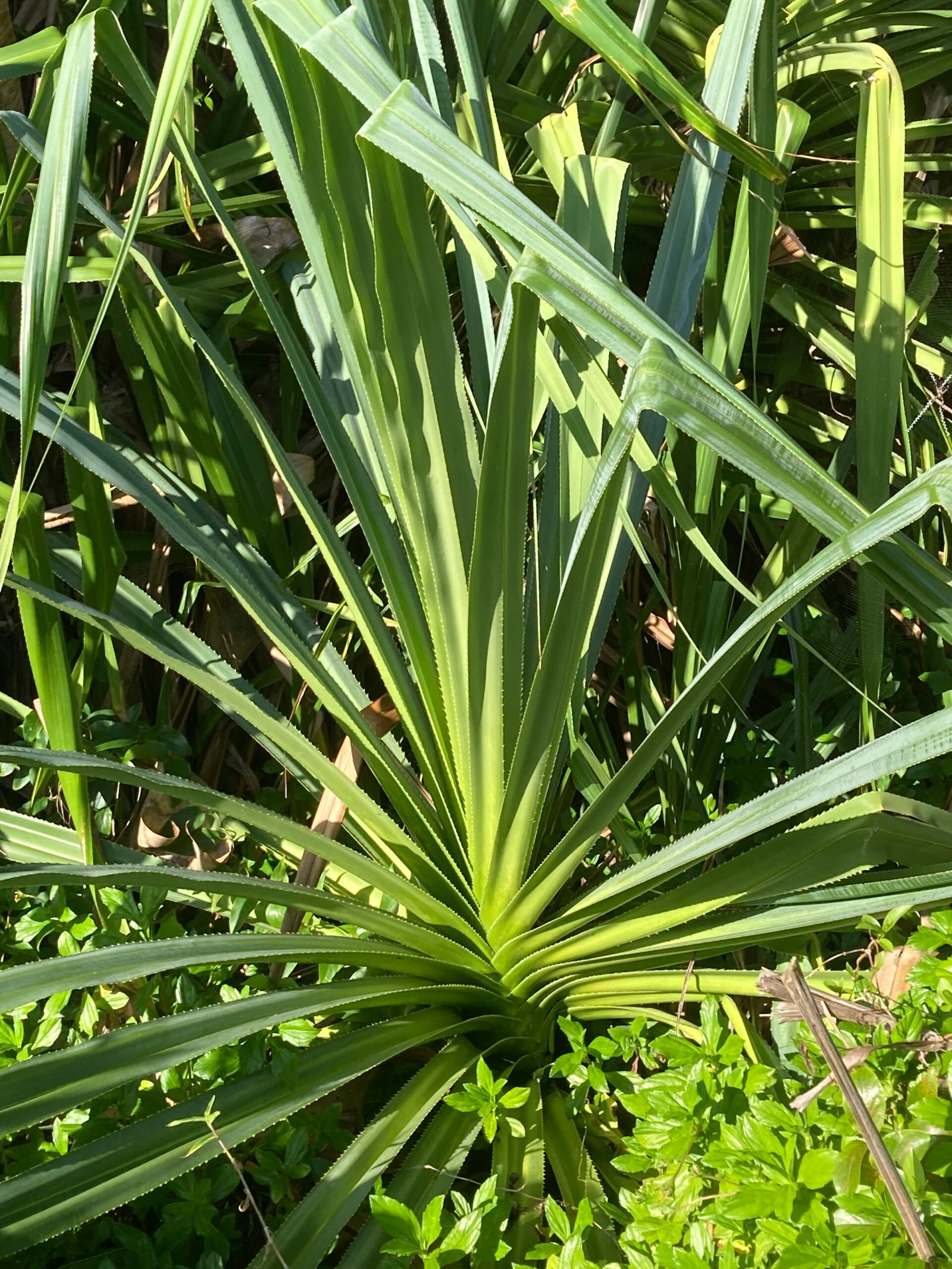
A Roadside Plant on the Big Island, Hawaii. Photo: Arun N. Toké.

Let us not abuse the gifts we have been granted by Mother Nature. Let us not knowingly degrade or destroy the very web of life of which we are an integral part. Human life cannot continue without this web of life—our biosphere. As “intelligent” species, we must address these issues that we have created collectively since industrialization.

Let us make an effort to appreciate the beauty around us, as we work to address these adversities. Let’s respect the many miracles of nature that surround us. Let us learn to enjoy even the smallest gifts that we receive everyday, be it listening to a bird song, fluttering of a butterfly or hummingbird, observing a cluster of green leaves or the multitude of seeds and fruits that plants produce.

Let us be grateful for the many blessings we have been granted. Let us live fully and let nature live—in all its glory! Let us commit ourselves to doing what we can to sustain these blessings, this beauty, for all future generations.

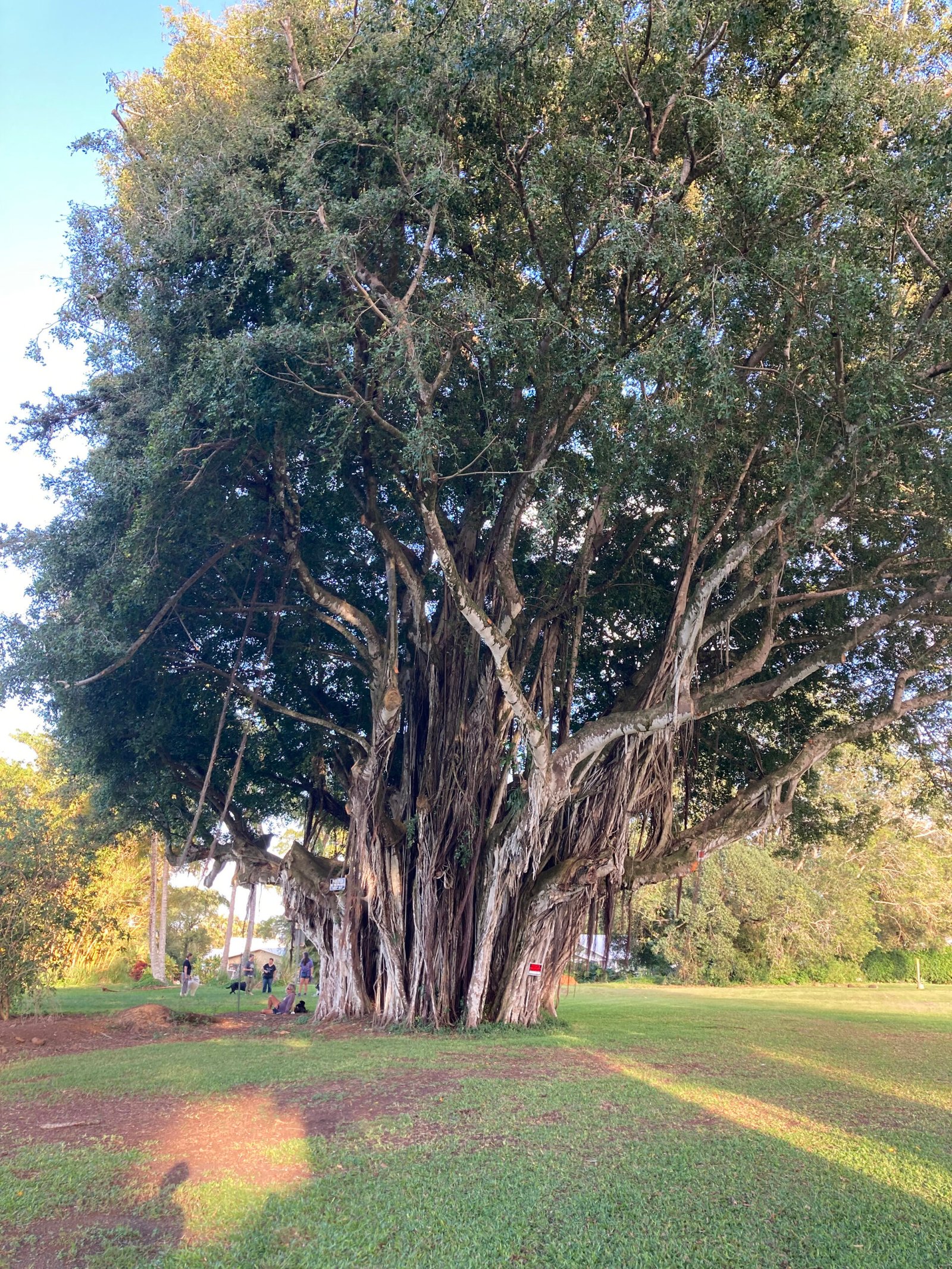
A Banyan Tree on the Big Island, Hawaii. Photo: Arun N. Toké

Dear fellow earthlings, let’s remember that Earth Day is not just April 22nd; we can observe it each and every day.

—Arun Narayan Toké, Skipping Stones editor.

Name the Past for Our Future 

Name the Past for Our Future:

On the Armenian Genocide

By Laurel Aronian, age 17, Connecticut.

In 1915, the Armenian Genocide commenced—the systematic mass murder of 1.5 million Armenians by the Ottoman government. I wrote this poem as a representation of the ongoing effects of the genocide on Armenians; even survivors found their lives uprooted as they were forced to move to other countries and begin from nothing. This poem not only serves to comment on my ancestors’ abrupt relocation from their homeland but also as a reflection on how my opportunity to visit Armenia in 2019 allowed me to return to the place my ancestors unwillingly left behind—metaphorically restoring them to their native land and simultaneously instilling in me an appreciation for a culture and history that I will carry forward. 

“The Land Ahead”

Soot swirls around our footsteps,
the dust from our lives before.
Before, when we lived in the stony 
cliffs of the Caucasus.

With my family who sent me
on my own.
To start a new life.
A life away from those who had taken 
it from us.

The land that my family had lived 
on for hundreds of years was seized.
Bitlis, Diyarbekir, Erzurum, where I had
played in the long grass of the mountains with my brothers.

Luck is what saved me from the massacres.
I do not know 
what happened to my brothers,
who I had left
behind me.

The rocky road ahead is also littered
with dust.
It obscures my vision on all sides. 
I do not know what is ahead of me
or what I have left behind.

The smell of gasoline is strong
as I board the plane. 
I have left my home for the flight,
but will return in a jet 
moving as swift as an Eagle.

The sign above is in letters
I can’t read
Թռիչք դեպի Հայաստան տերմինալ 4A
Only one word is clear to me,
Հայաստան, Hayastan, where my 
second great-grandfather is from 
and where I 
am going.

Back in his day, 
there were no planes,
when he traveled to the US
Alone.

Did he know that his 
great, great-granddaughter would be going to his homeland?
His homeland where he had to leave
his home.

He left his country in the hope
that one day 
the part of him in me 
could return.

By Laurel Aronian, age 17, Connecticut. She adds: “I love to write in all genres (poetry, prose, journalism). I also enjoy taking photos and creating art. I have a passion for music and perform as a singer-songwriter and accompany on guitar. When I’m not writing or making music, I play competitive chess. My pieces also reflect the awe of nature, earth stewardship, and our planet’s majesty and magic.”

PS: Laurel entered the poem for our 2023 Youth Honor Awards last year at the age of 16.

Art in the Time of War: The Children of Zaporizhzhia

Art in the Time of War:  The Children of Zaporizhzhia

By Svitlana Budzhak-Jones, President, Sister’s Sister, Inc.

“Zaporizhzhia” by Yuriy Martynov, age 13, Ukraine.

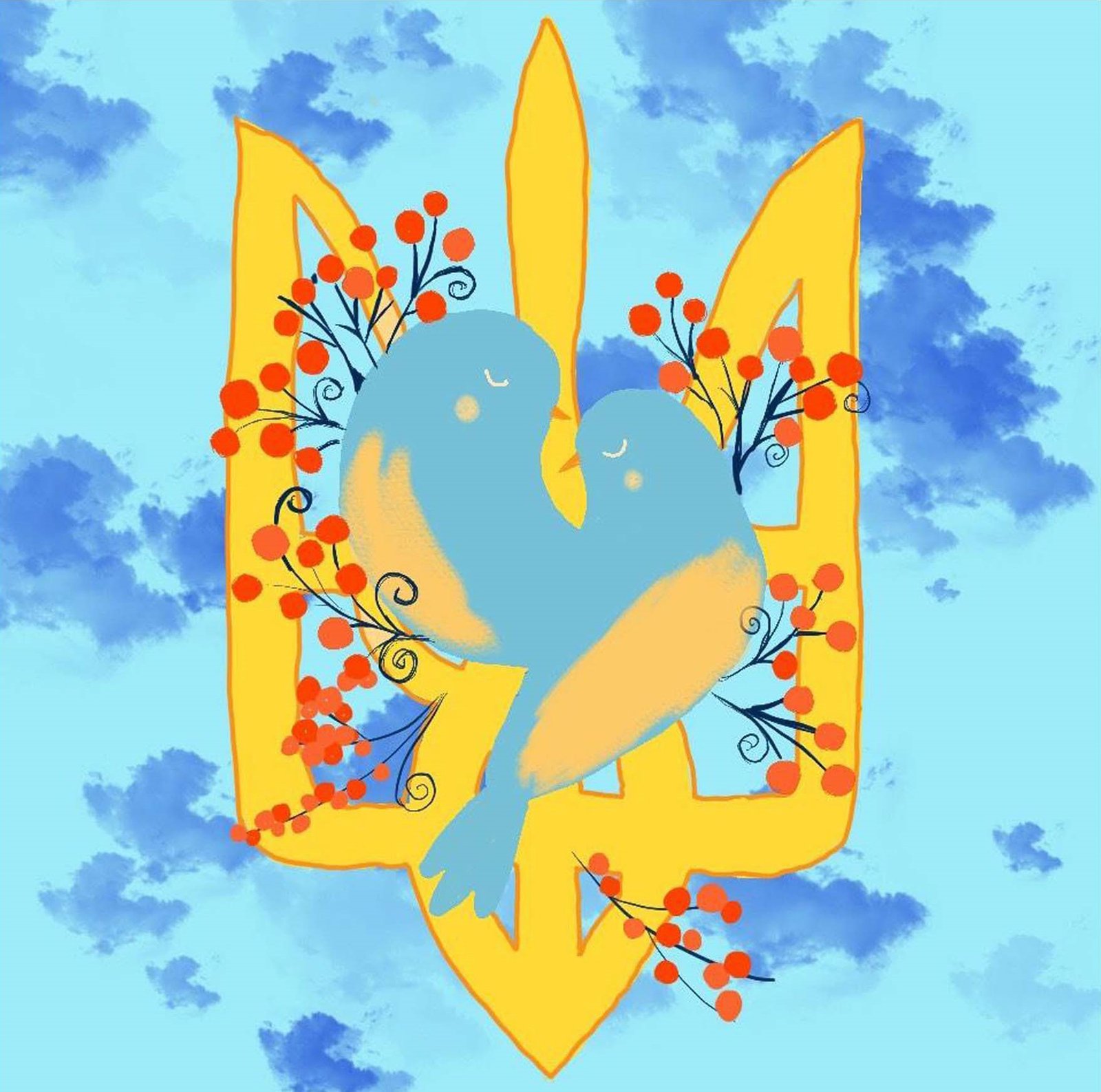
The unprovoked, brutal war against Ukraine sadly has entered its third year. It has brought much destruction and sorrow to the people of Ukraine. Millions were displaced internally. Millions became refugees elsewhere in the world. Countless Ukrainian children have lost their homes, have difficulties in accessing education, health care and even basic necessities such as drinking water. Bomb shelters and cellars have replaced their rooms, metro benches have become their beds, and air raid sirens on a daily basis drone instead of school bells. While many Ukrainian men and women actively fight on the battlefield for their country, culture and independence, others stay dedicated to the children who remain in Ukraine.

The Central Southern city of Zaporizhzhia is under constant artillery shelling and aerial bombing. But the Center for Children’s and Youth Creativity in the city continues to operate, and attempts to create a safe space to safeguard the children’s childhood. The Gradient creative Computer Design Circle at the Center has not closed its doors even when its teacher Ms. Nadiya Chepiga was forced to flee Ukraine to Poland in the first months of heavy enemy assaults on the city. Ms. Chepiga then continued to work with her students online for the entire year before returning back to her home city and to her students.

The Gradient Circle is now in its thirteenth year of operation. Hundreds of children between the ages of 6 and 17 have learned to create beautiful art there and connect with their inner spirit, bringing them one step closer to becoming professional graphic designers and artists. The Circle creates a comfortable environment for shaping children’s creative abilities, meeting their individual needs for intellectual, moral, aesthetic, and creative development, shaping a culture that includes a healthy lifestyle and organizing their free time. The children learn the principles of drawing art objects, creating drawings and 3D images, acquiring skills in making artwork in various media and styles, learning the basics of graphic design, creating postcards, posters, calendars, and memorabilia. The children search for their individual style of work and aesthetic preferences, develop their creative imagination and fantasy, learn to take creative initiative, and develop their independence.

The Circle’s founding director and teacher Nadiya Chepiga is a creative artist herself, who has implemented numerous creative projects with her students, has helped them realize their creative vision and brought them to life, and trained hundreds of creative individuals. Despite the ongoing war, the students and their teacher continue participating in various nationwide Ukrainian and International competitions as well as in art exhibitions.

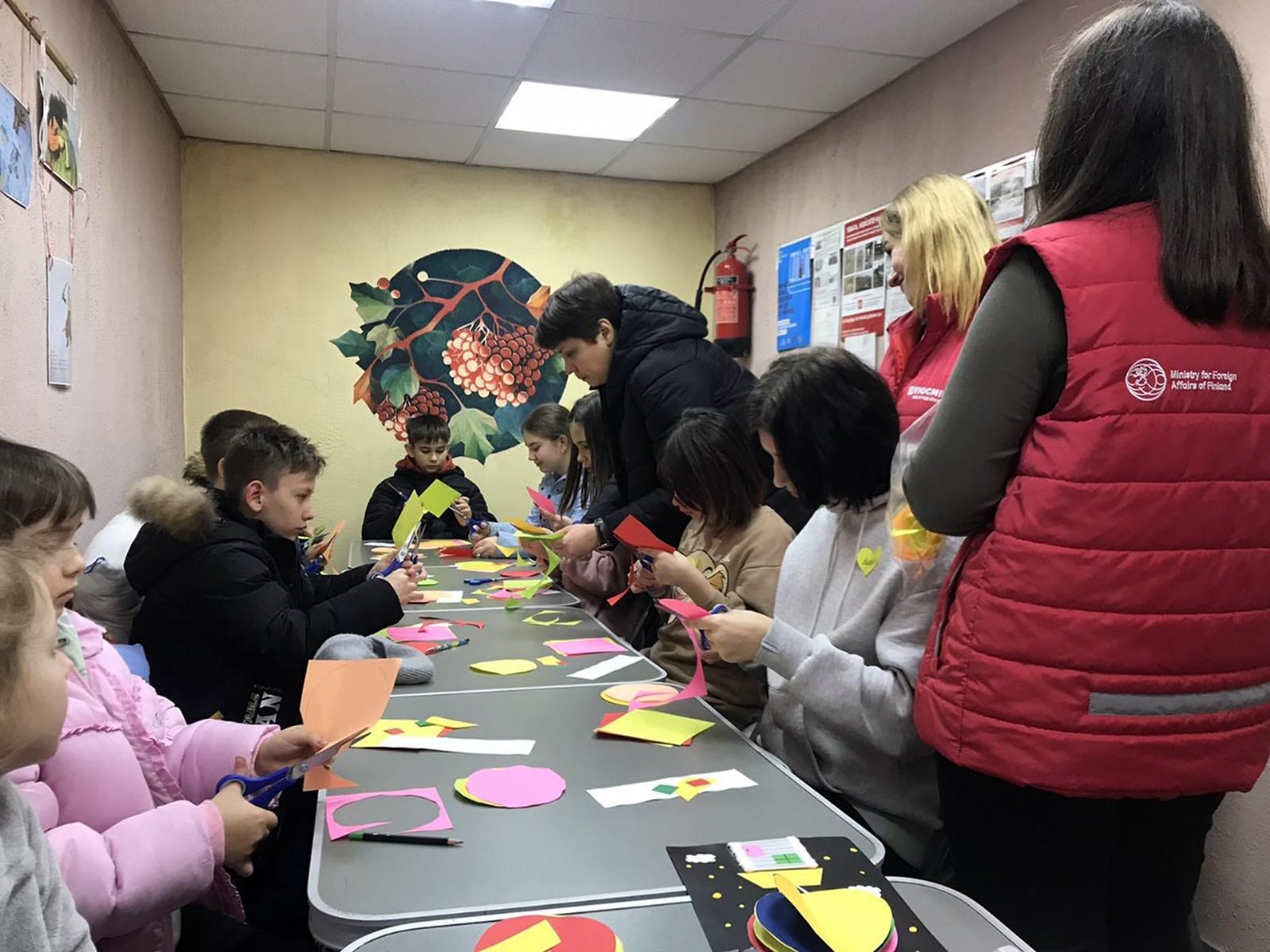
Life goes on even in the extremely challenging circumstances created by the war. The students and their teacher continue meeting twice per week. Frequently, instruction needs to be done online because of constant air raid warnings. But on Sundays, the students try to meet with their teacher in person in the Center. And if an air raid siren goes off, they seek cover in the basement (see below) or in corridors where they continue their lessons. Since the enemy missiles and bombs focus on destroying power plants, there is usually no heat, and the students wear winter coats and jackets during their lessons. Yet they enjoy their meetings and continue creating beautiful, original works of art.

Gradient Students Continue with their Art Classes in the Institute’s Basement.

Fifteen of their art creations were exhibited by the humanitarian aid organization Sister’s Sister (www.SistersSister.org) in State College, Pennsylvania on March 23, 2024 during a benefit concert for Ukraine. Sister’s Sister provides humanitarian support to the Ukrainian people, particularly to children, hospitals, orphanages, and the disabled in Ukraine, including State College’s sister city, Nizhyn, located in the Chernihiv region. The artwork exhibited at the concert was created by the students and enhanced with computer graphics under the supervision and guidance of their teacher. Their work draws, in part, on Ukrainian art, famous for its folk traditions and exquisite embroidery, the red and black threads of which represent happiness and sorrow. Sadly, there is too much of the black threads of sorrow in these difficult times for the children of Ukraine, while Nadiya Chepiga, whose first name means “hope,” brings hope to the children of Zaporizhzhia through art. For more information, please visit the websites linked to the QR codes below:

The children’s creativity will continue to be realized despite the nearly impossible conditions and their spirit will remain indominable!


By Svitlana Budzhak-Jones, Ph.D., President, Sister’s Sister, Inc. (www.SistersSister.org
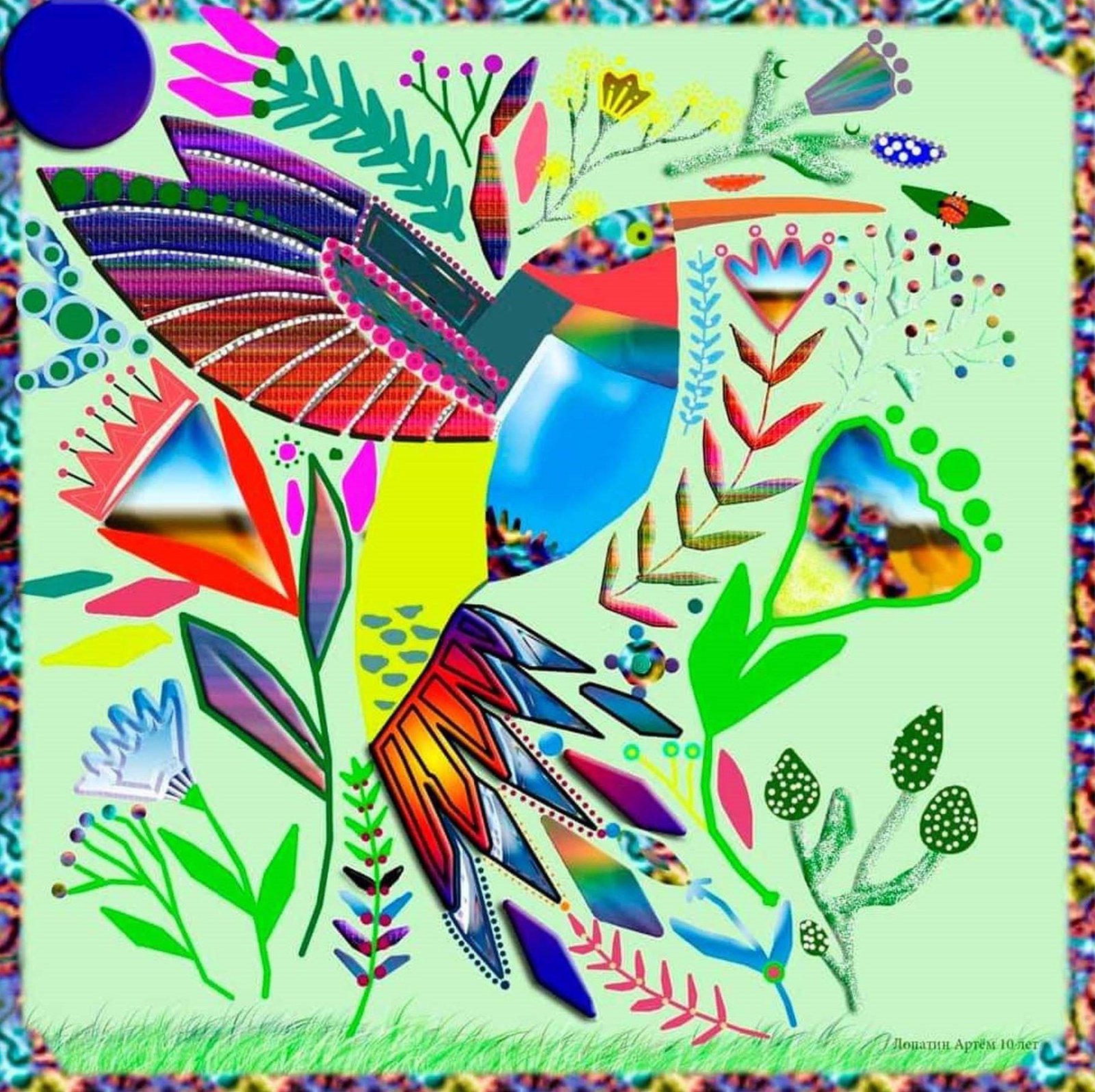
Hummingbird by Artem Lopatyn, age 10.


“Mystery” by Yeva Pavrianidis, age 10


“Free” by Zlata Khalayim, age 10.


“Music Inspires” by Vyacheslav Sukhanov, age 14.


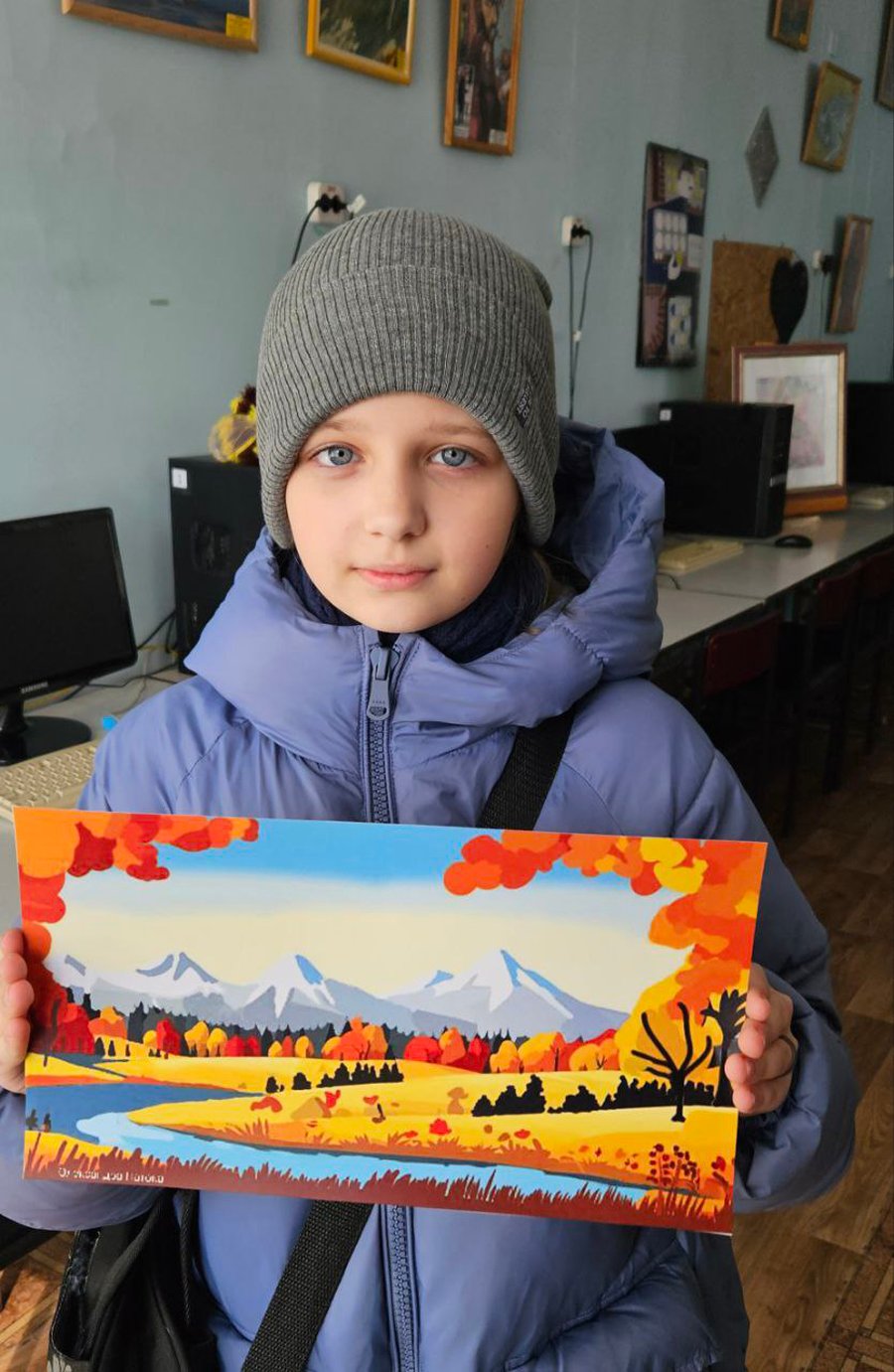
“Autumn” by Oleksandra Patoka, age 9.


“Thoughts” by Danylo Yerokhin, age 16.


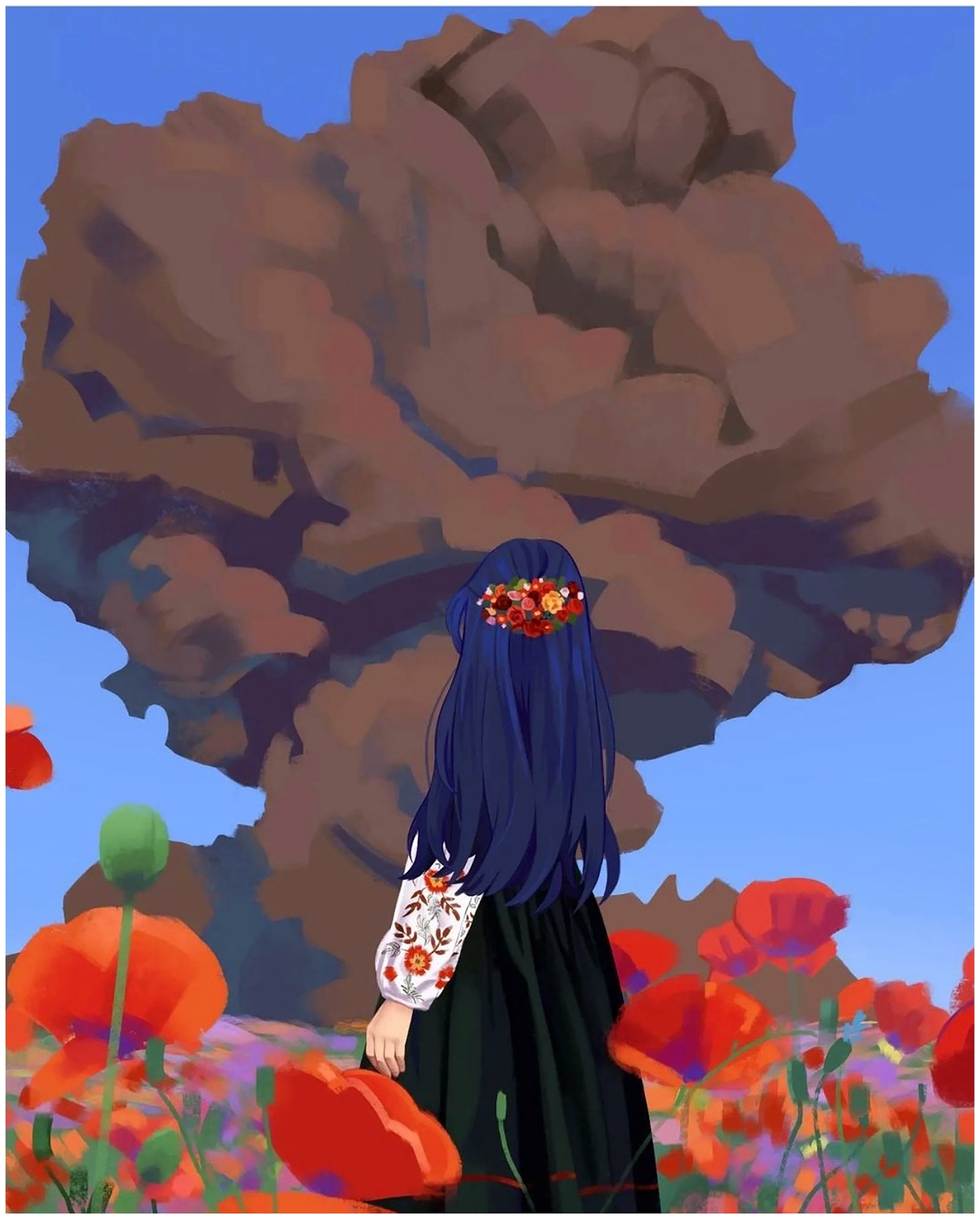
“I Am Ukraine” by Danylo Yerokhin, age 15. The central figure in color is represented by a traditional Ukrainian embroidery against a large city background. The Ukrainian text above says: CONVENTION ON THE RIGHTS OF THE CHILD (left corner), and in the right corner, Article 30. A child has the right to enjoy his or her own culture.”


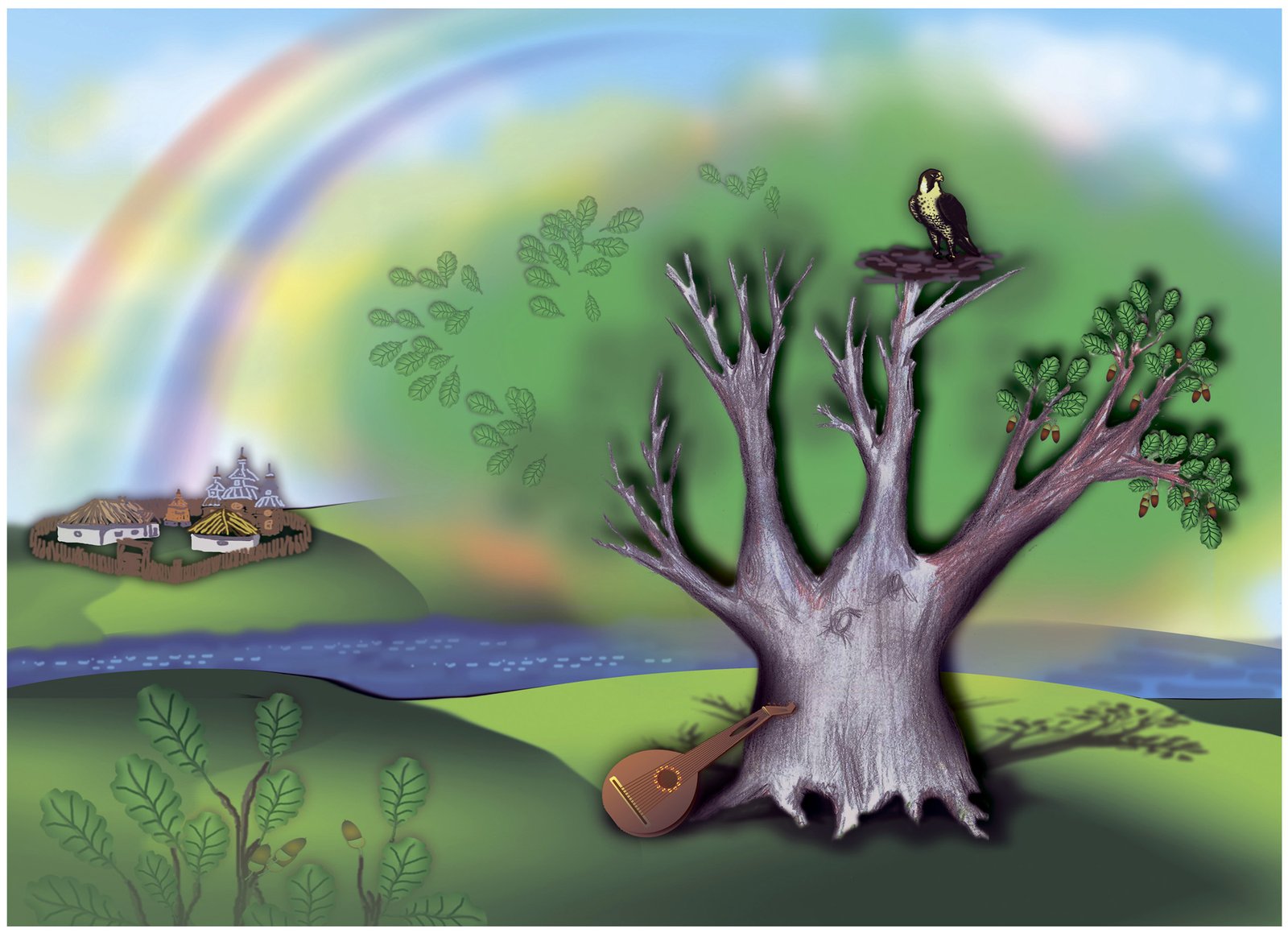
“Zaporizhzhian Oak Tree” by Edik Boitsev, age 13.


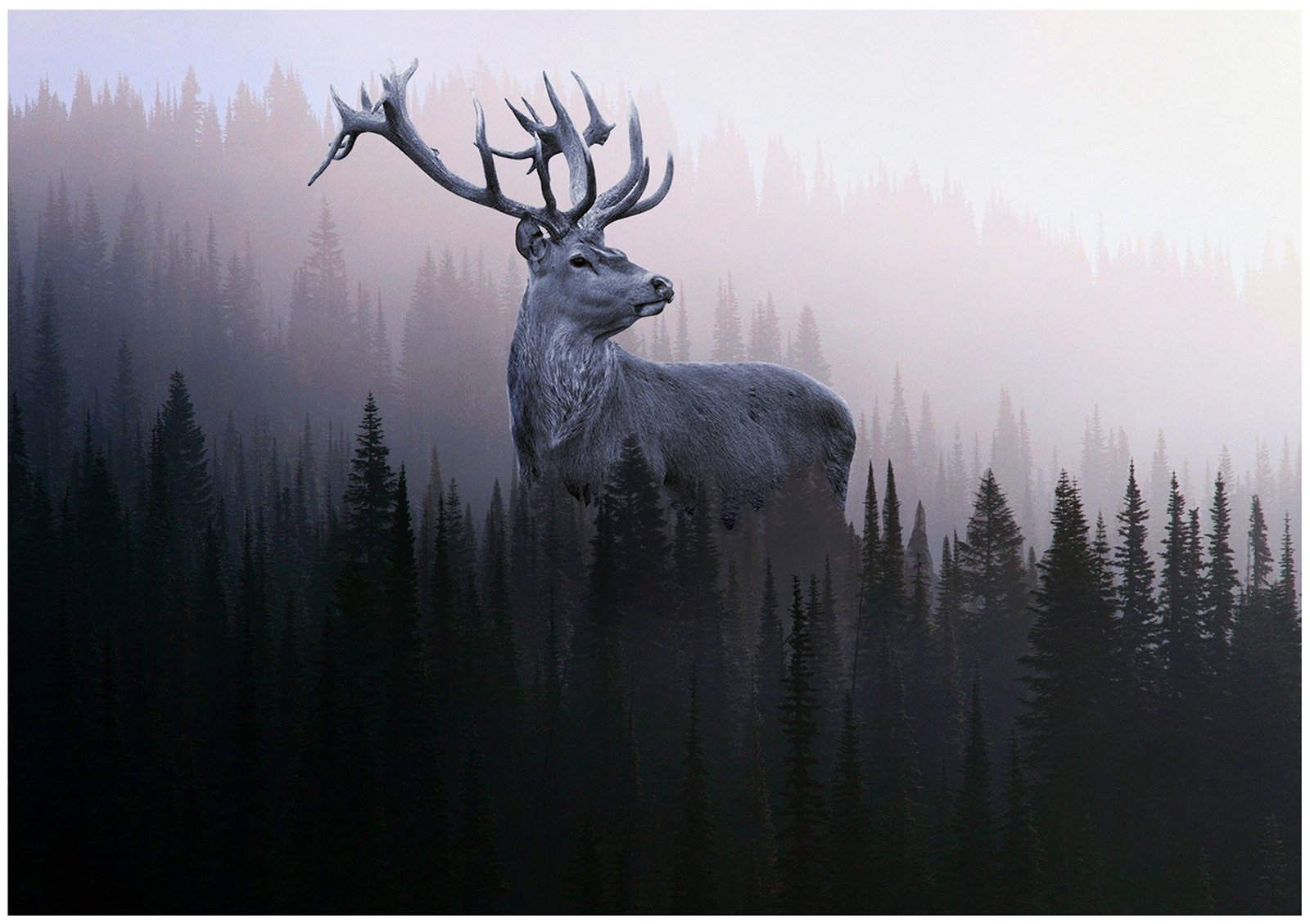
“Lord of the Forest” by Danylo Yerokhin, age 16.


“Ukraine, the Bountiful” by Kateryna Yuhayeva, age 14.


“Ukraine Right Now” by Polina Pustovit, age 17.


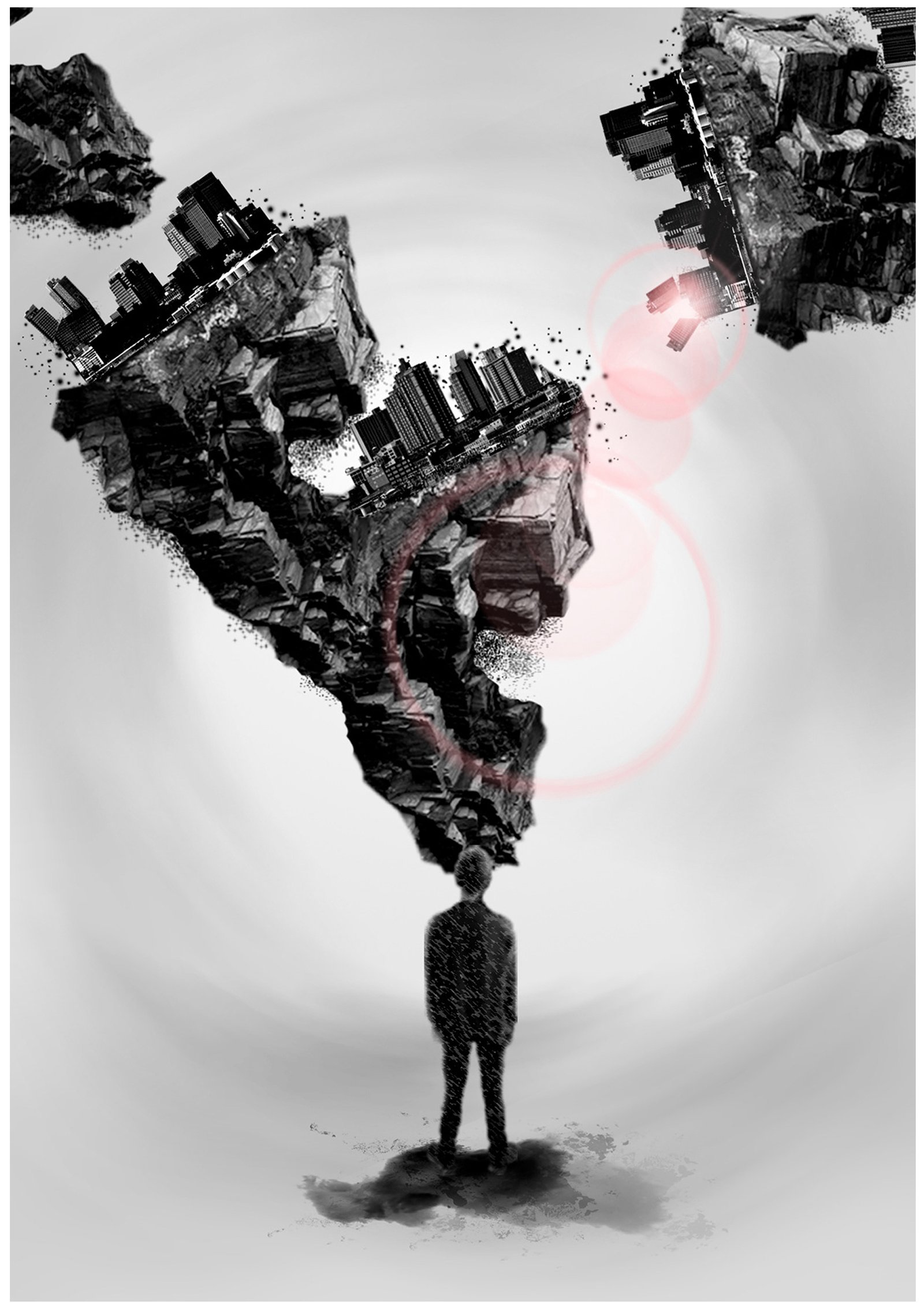
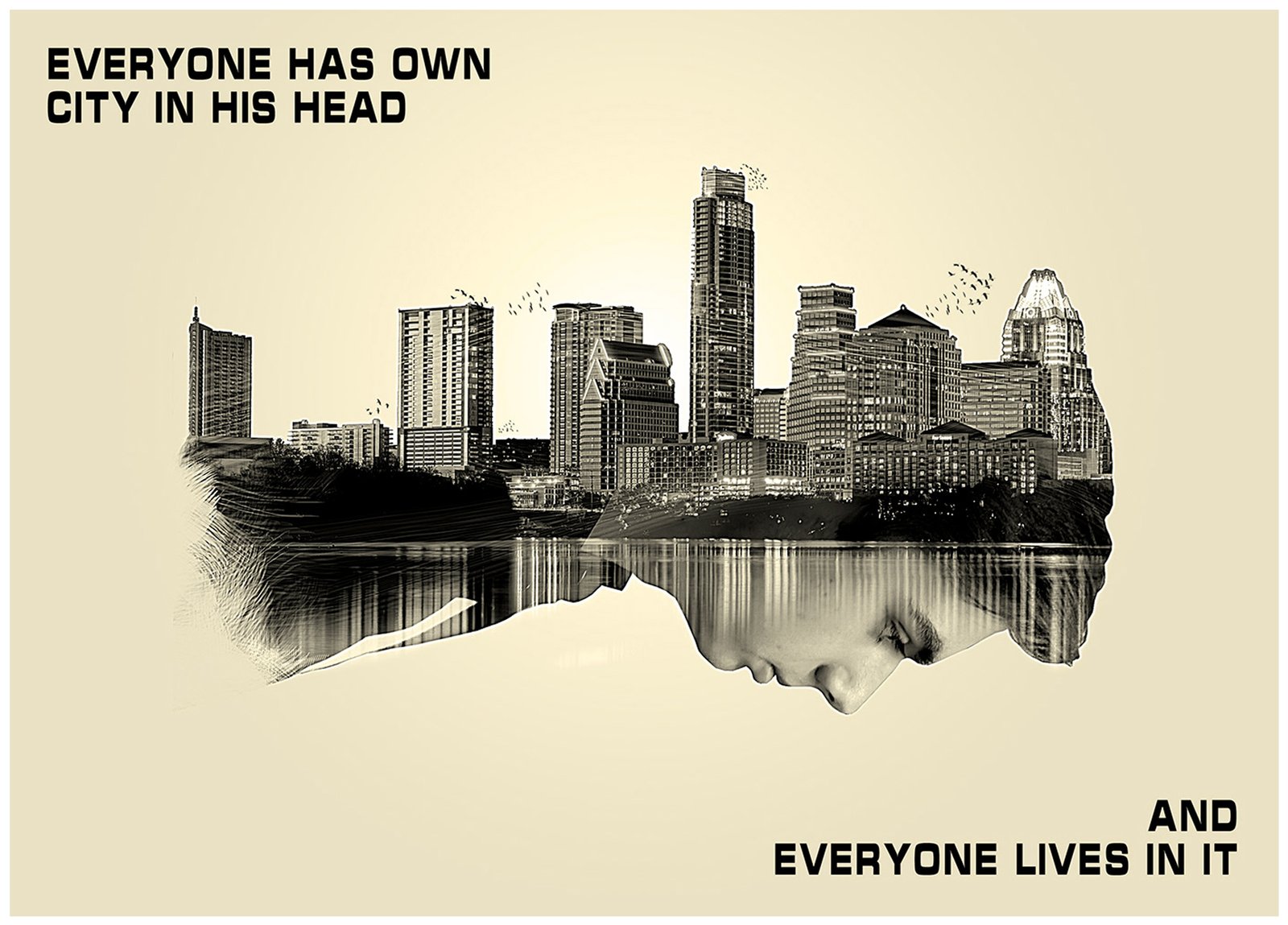
“The City in Your Head” by Danylo Yerokhin, age 16.


“Unity” by Polina Zakharova, age 12. The poster says: “The Responsibility Starts with Me.”


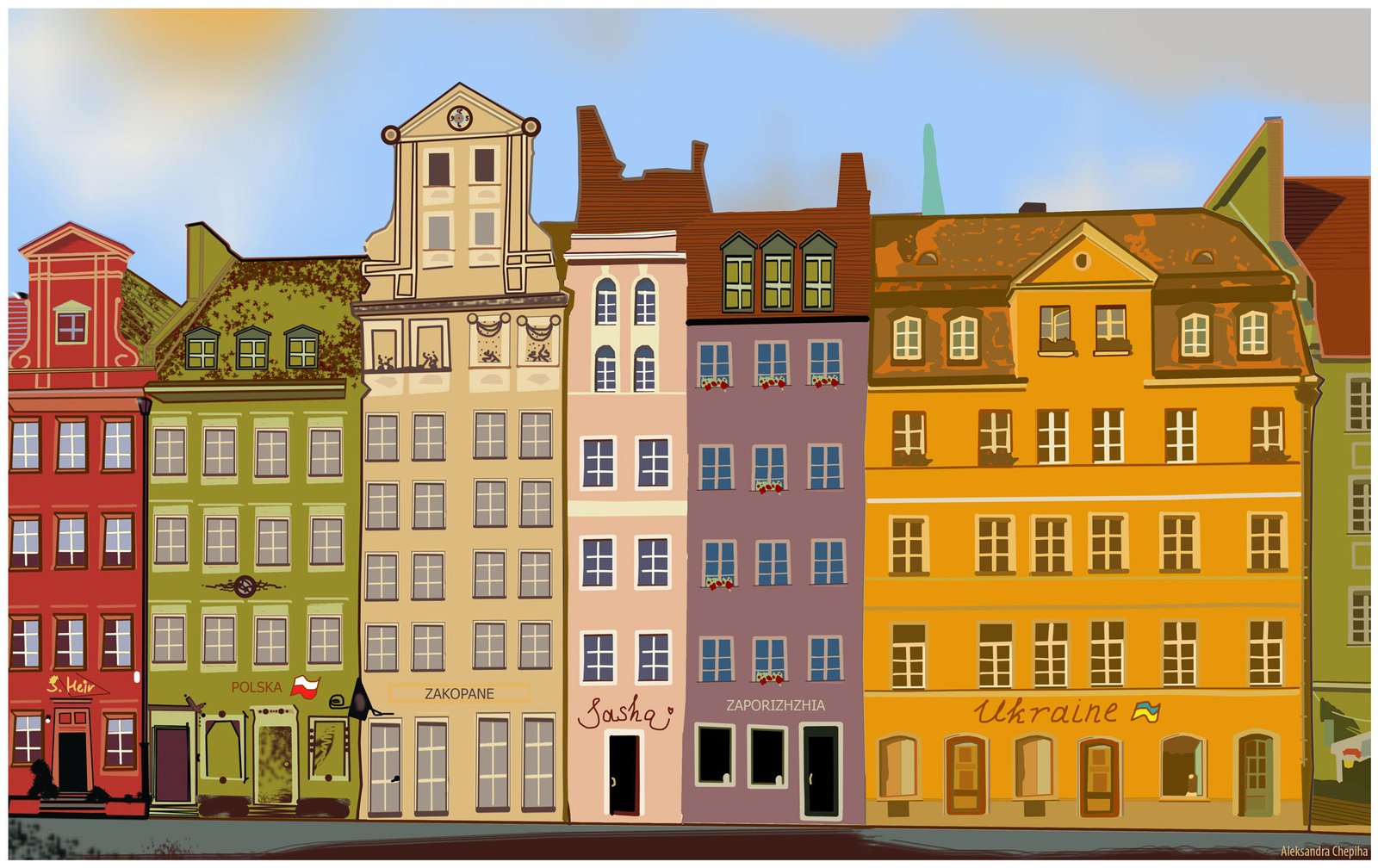
“Lviv” by Oleksandra Chepiha, age 12.


“Ocean Dweller” by Artem Panov, age 13.


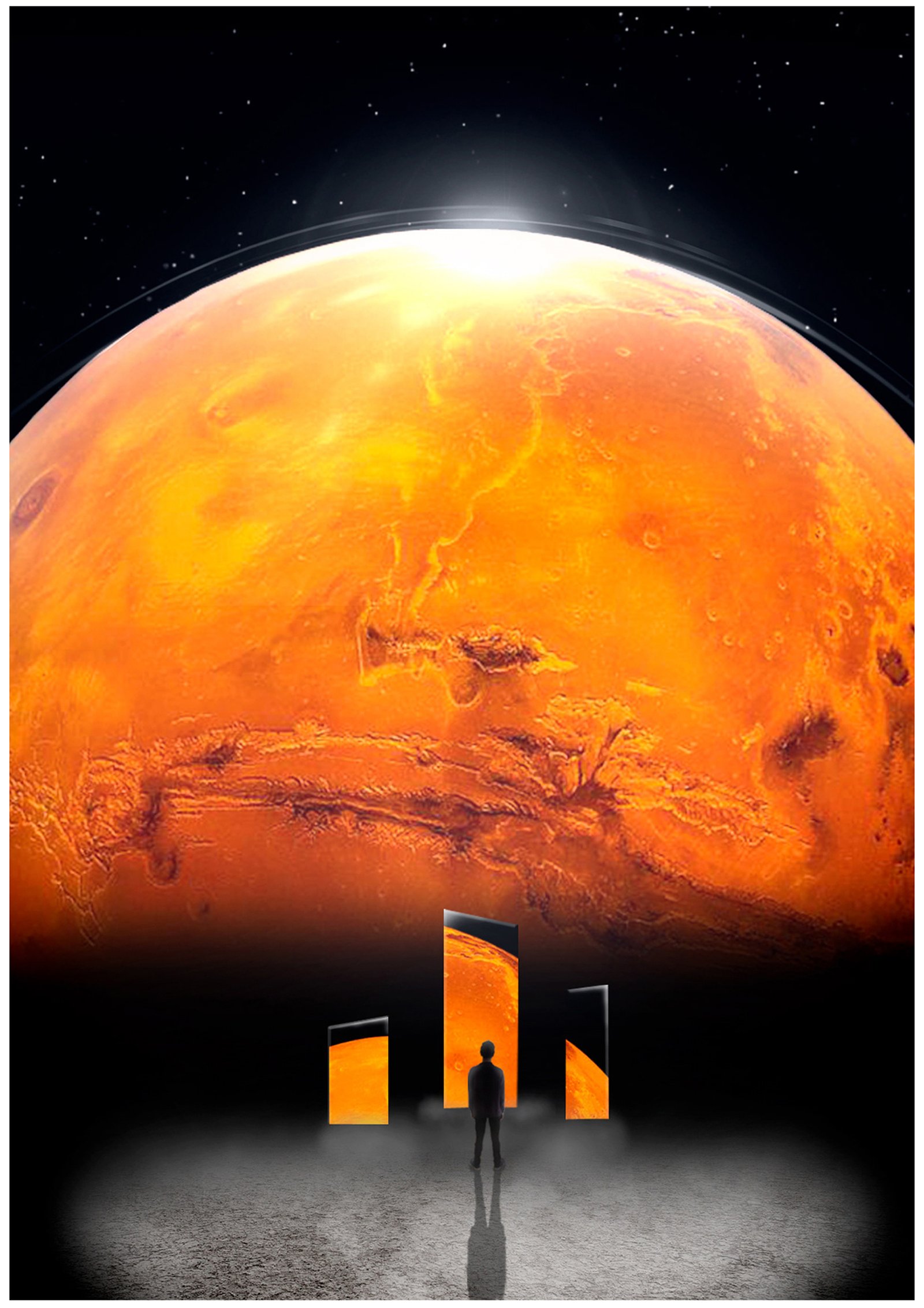
“Mars” by Danylo Yerokhin, age 16.


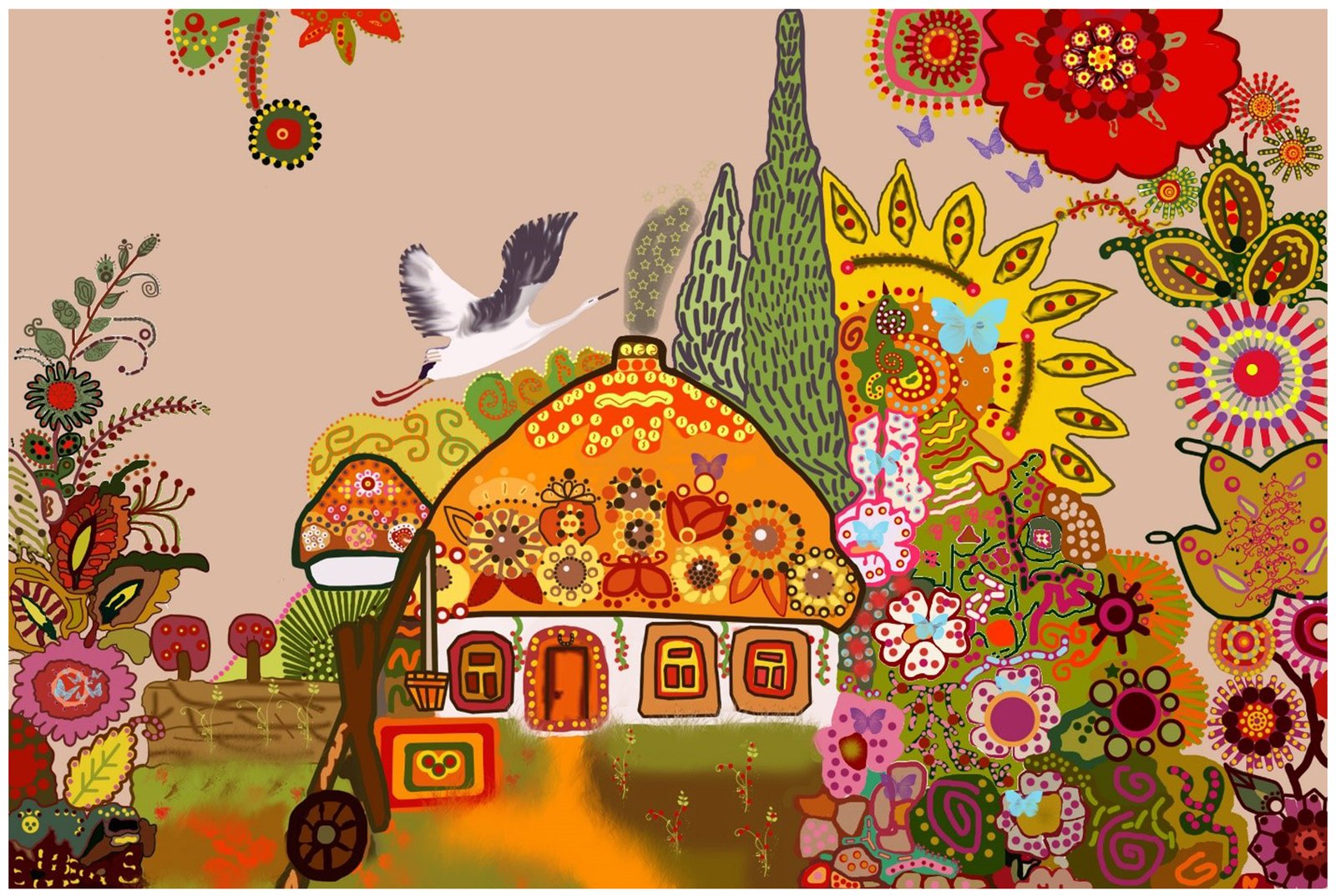
“Ukrainian Village” by Danylo Usenko, age 12.


“Hare” by Oleksandra Vasyliyeva, age 10.


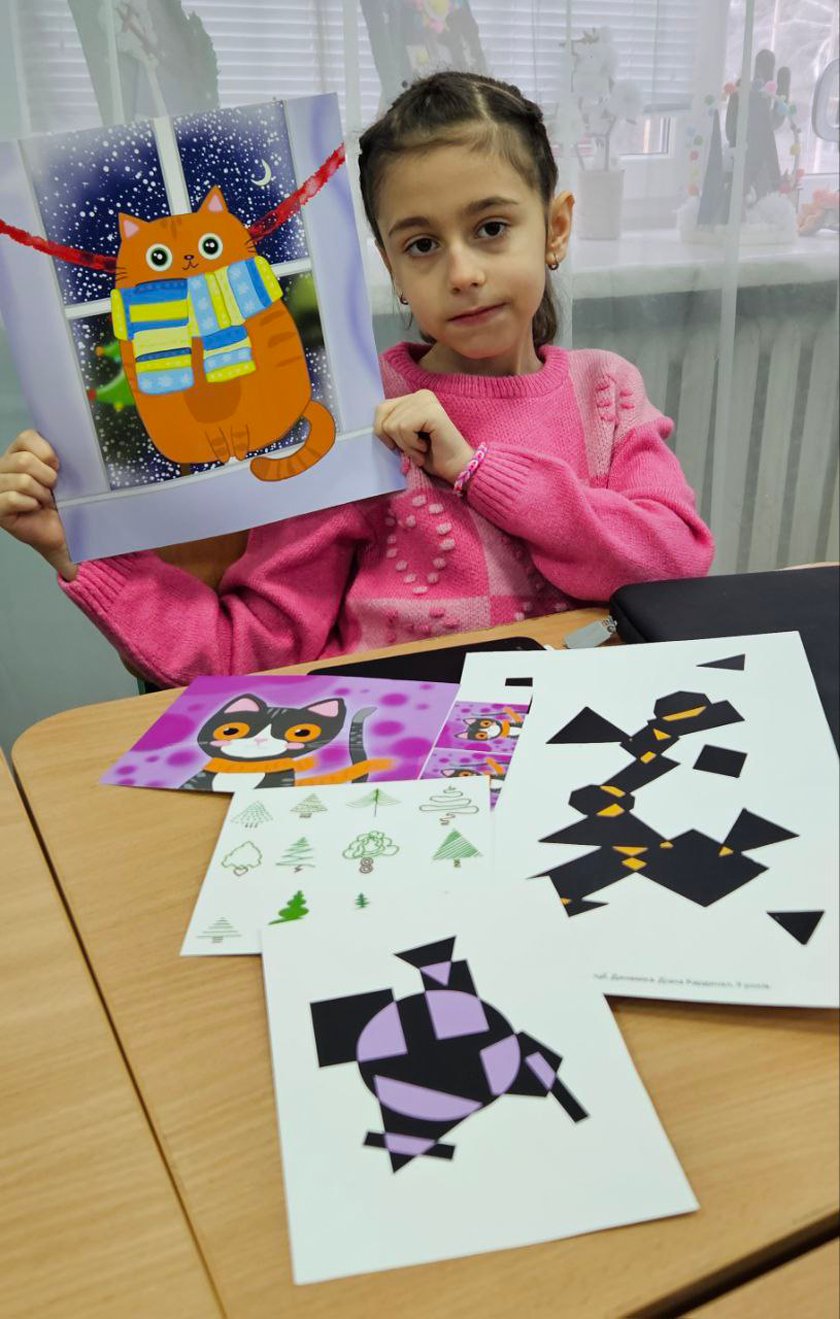
“Kitty” by Diana Kardinal, age 9.


Perspective

perspective

by Surabhi Verma, grade 11, California


female leader
            impossible

peaceful change
            impossible

violence eliminated
            impossible

full equality
            impossible

impossible, impossible.

its repetition,
bewilders me.

its presence,
bothers me.

its truth,
baffles me.

Impossible,
                  i    m    p o s s i b l e
                                                      i am Possible

Surabhi Verma, grade 11, California. She writes:

“I enjoy writing poetry and non-fiction and use writing as a form of expression and reflection. I have won several awards… and am a STEM blog writer for STEMpathize. When I’m not writing, I love playing the flute and spending time with my family and friends.

“I come from an Indian background and speak both English and Hindi. Though living in America, I find myself deeply connected to my Indian roots and culture, celebrating every Indian festival, going to the temple, and enjoying a variety of Indian dishes. My favorite part of an Indian event is that it gives an excuse to wear a lehenga!

“I am passionate about the flute, writing, and mental health. In the future, I hope to make an impact in the field of biomedical research while also being able to pursue my passions through providing affordable flute lessons, continuing to write, and taking part in advocating for mental health by creating more support programs.

”My poems are influenced by my experiences and cover a variety of topics, ranging from identity struggles and personal feelings to altering perspectives and the relationship between music and peace against violence.”