Category Archives: Travel

Hazel Lee, Chinese American Fighter Plane Pilot

Hazel Lee, Chinese American Fighter Plane Pilot

By Fanny Wong, New York

Race you to the corner!” Hazel challenged the boys.

The boys groaned, but maybe, just maybe, they could beat her this time.

They didn’t. Beaten again by this scrawny young girl. She also played handball and cards with them. Guess who won?

Hazel’s parents, immigrants from China, met and married in Portland, Oregon. Hazel, the third of eight children, lived with her family in Portland’s Chinatown. It was the only community the Chinese were allowed. The children went to Chinese school on Saturdays to learn to their language and culture.

Hazel was good at writing and speaking Chinese, but a traditional Chinese girl she wasn’t. Her voice was too loud, her laughter too boisterous. She was handy and fixed things around the house. Not ladylike at all.

When Hazel was a teenager, a friend took her up in a biplane at an air show. Her eyes danced, face flushed, and her heart raced with excitement as the plane lifted off. The rumbling motor and whirring propellers were music to her ears. She was as free as a bird high up in the sky. Hazel’s dream soared with the plane. She knew she belonged in the cockpit of a plane.

Now that she had a dream, she had to find a way to make it come true.      

First, she had to find a job after graduating from high school in 1930. The only job she could find was as an elevator operator in Liebes department store in downtown Portland. Up and down she took customers from floor to floor. She stuck to the boring job her job to save money for flying lessons.

Hazel’s parents turned pale when she enrolled in a flight school in 1931. It was not what a woman did. It was not what a young Chinese woman did. What would the Chinese community think of their daughter!

“You’re not afraid of the water, you’re not afraid of the wind!” her mother lamented. It was her way of saying Hazel was not scared of anything. Eventually, her parents let her try something different, be someone different from what the Chinese community expected of her.

Hazel went through the same training as the men at the Chinese Aviation School in Portland. The mind-boggling controls, dials and levers did not intimidate her. She lived for the moment when the plane swooped like a swallow over sea and land. The higher the plane soared, the freer she was.

Hazel passed all the flight tests in a year and received her pilot license in 1932. At that time, only one percent of American pilots were women. In those days, people thought a woman should not fly a plane. How could a woman handle an emergency? Too emotional! Too nervous! And whoever heard of a Chinese female pilot? Hazel couldn’t find a pilot job.

In response to Japanese aggression against China in 1932, Hazel journeyed to China, hoping to join the Chinese Air Force. But again, she was frustrated that it did not accept women pilots. In the end, she settled in Canton and flew for a private airline.      

After returning to the United States in 1938, Hazel waited for years before she could prove herself. In 1942, during WWII, when male pilots fought overseas, the military needed more pilots at home. Some 25,000 women applied for the program. In 1943, with 35 hours of flying time and a medical exam, Hazel was one of 1097 women pilots accepted by the new Women Airforce Service Pilots Program (WASP) to prove their skills.

Like the other trainees, Hazel had to pay her way to Sweetwater, Texas for training. Their pay was $259 a month, with no benefits. She was among the select few and the only Chinese. For six months, in the dusty and hot Avenger Airfield, she endured sand in her hair, snakes and spiders even indoors. But she learned to fly different military airplanes, parachuting and making emergency landings. She studied all the parts of the plane, rudder bar, stick and struts. When she learned to take apart the engine and put it back together, she was as proud as if she had won a trophy.

One time, Hazel’s instructor made an unexpected loop. Her seat belt did not work properly. She fell out and parachuted safely. On the ground, she dragged the parachute behind her all the way back to the airfield. The incident didn’t faze her.

Another time, Hazel’s plane’s engine cut out in mid-flight. She made an emergency landing in a wheat field in Kansas. A farmer chased her, thinking the Japanese had invaded Kansas. She convinced him that she was flying in a U.S. flight program. Hazel knew no matter how American she was she would be looked at differently. But this incident did not discourage her. No, she might look like the enemy, but she was thoroughly American.

Easy-going Hazel made many friends. At 31, she was eight to ten years older than the rest of her classmates. They soon forgot she looked different, that she was the only Chinese they knew. Her calm, fearless piloting skills impressed them. They loved her irrepressible sense of fun, as when she wrote their nicknames in Chinese on their planes with lipstick. Her personality bubbled over like a pot of soup. Her friends knew she was nearby when they heard her laugh, “Heeyah! Heeyah!”

Although Hazel graduated from the WASP program in 1943, the U. S. Government did not allow women in combat roles at the time. Instead, being one of the best graduates, she was chosen for Pursuit School at Brownsville, Texas. There, she trained with 134 other graduates to fly fighter planes, such as the Pursuit and the P-51 Mustang, high powered single-engine jet planes. After the training, she delivered the new planes from factories to airfields all over the North America. If anything was wrong with them, she was among the first to know.

Hazel accepted dangerous missions, such as flying in open cockpit planes in the winter, shivering in many layers of clothing. Another dangerous job was flying a plane that served as a “tow.” A large target sleeve was attached behind her plane for gunners to practice shooting from the ground. She cringed when bullets whizzed by the cockpit, but she kept flying these dangerous flights. Sometimes, after the practice flight, she found holes in the tail of the plane.

Hazel crisscrossed the country in wartime to deliver planes that would be used in combat. She flew seven days a week, bone-tired, but proud of her non-combat role in wartime and took every challenge in strides.

As Hazel zoomed cross the sky, she wished her Chinese community could see her in an unconventional job, and doing it well!

On Thanksgiving Day, 1944, Hazel delivered a plane-a P-36 King Cobra from Niagara Falls, New York to Great Falls, Montana. As her lane approached the airfield, a plane above her lost radio control reception. The pilot did not know the position of Hazel’s plane. The two planes collided and burst into flames. The other pilot had non-life-threatening injuries., but Hazel died of her wounds two days later.

Because the WASPs flew military planes as civilians, they received no military benefits. Hazel’s family had to pay for her remains to be shipped home. After resistance from the River View Cemetery in Portland to bury a Chinese person there, Hazel’s family sought help from an Oregon senator, who appealed to the White House. The cemetery relented and Hazel was buried in a gentle grassy slope. Her grave marker was a polished slab of red granite with a winged diamond etched above her name, a symbol of the silver WASP wings pinned on the uniforms of American women who flew in WWII.

In 2004, the State of Oregon inducted Hazel into the Aviation Hall of Honor. Hazel and the other WASP pilots would not be recognized with military status until 1979. In 2009, President Obama awarded surviving and deceased pilots the Congressional Gold Medals.

Comfortable in a career dominated by men, Hazel not only lived her dream but proved a woman could fly a fighter plane as well as any man. She didn’t expect to make history. As the first Chinese American women to fly for the U. S. military, she was doing what she loved, for a country she loved.  

—Fanny Wong, Chinese American Author, New York. She is a frequent contributor to Skipping Stones Magazine.
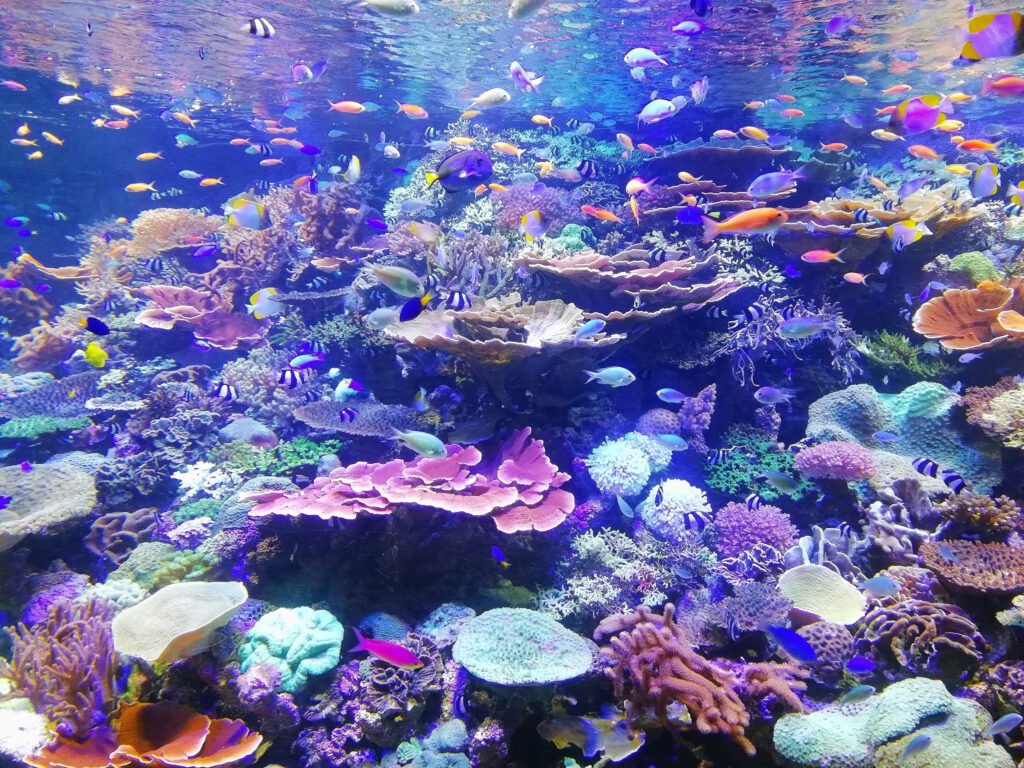
Coral Remembrance

Coral Remembrance 

By Rachel Agyeman, age 17, Maryland

Spring
Small fluorescent animals join together
Into sprawling colonies, growing across millenniums
An undersea civilization emerges
Pillars grow into branching skylines
Soft-bodied leaves, flowers, and mushrooms cover the floor
Young polyps ride currents with their finned neighbors
Weaving through thin, colorful trees and stinging whips
Before settling into extended colonies
A season passes, and warmth arrives to the city

Summer
The surface brightens, the city quiets
Gleaming, branching skyscrapers dim
Vibrant mushrooms and flowering plants fade
Into the returning memories of ivory reefs long lost
Generations of colonies once teeming with life
Now frail and shriveled beneath the waves
The sun a soul-sucking beam, draining all the reef’s radiance
Algae and mucus escape to the surface, clouding the scattered sunlight
A season passes, and the dark city begins to cool

Autumn
As sunlight penetrates the waves slower, the blazing heat seems to weaken
The city’s remaining colors endure, each polyp retains its strength
The skyscrapers continue to stand tall, the plants remain in bloom
Memories of the passing heat reach future generations
Strengthening each one more, prolonging their lives
Preserving the civilization’s vibrancy
The polyps and fish swim freely once again
Through now illuminated paths
Color returns to the bustling city

By Rachel Agyeman, age 17, Maryland. She writes:
“I was born in Maryland and have always lived there, but my parents grew up in Ghana and immigrated to the United States in the early 2000s. I’ve only visited Ghana once during my winter break this year, so I’m not fluent in the native language, which is Twi. I only speak and write English, though I can understand a little bit of the Twi my parents speak to each other. I hope to continue visiting Ghana in the future to stay connected to my family and culture. Drawing and writing are very important passions for me. Having the opportunity to create, either as a comfort outlet or a long-term project, is something I will always value. I will soon be going to college to study psychology and explore some art programs, hopefully finding a way to combine my passion for creating with my desire to understand and help others through my studies. I created this piece for my creative writing class and was inspired by an article I saw during my research about coral having the ability to ‘remember’ past bleaching events. The concept of coral being able to ‘remember’ anything despite not having a brain made me want to write a poem that combined scientific facts about coral with an emotional, personified perspective on the lives of coral reefs.”

My Indian Memories

My Indian Memories

By Arjun Govindaraj, age 17, from Texas, currently studying in India.

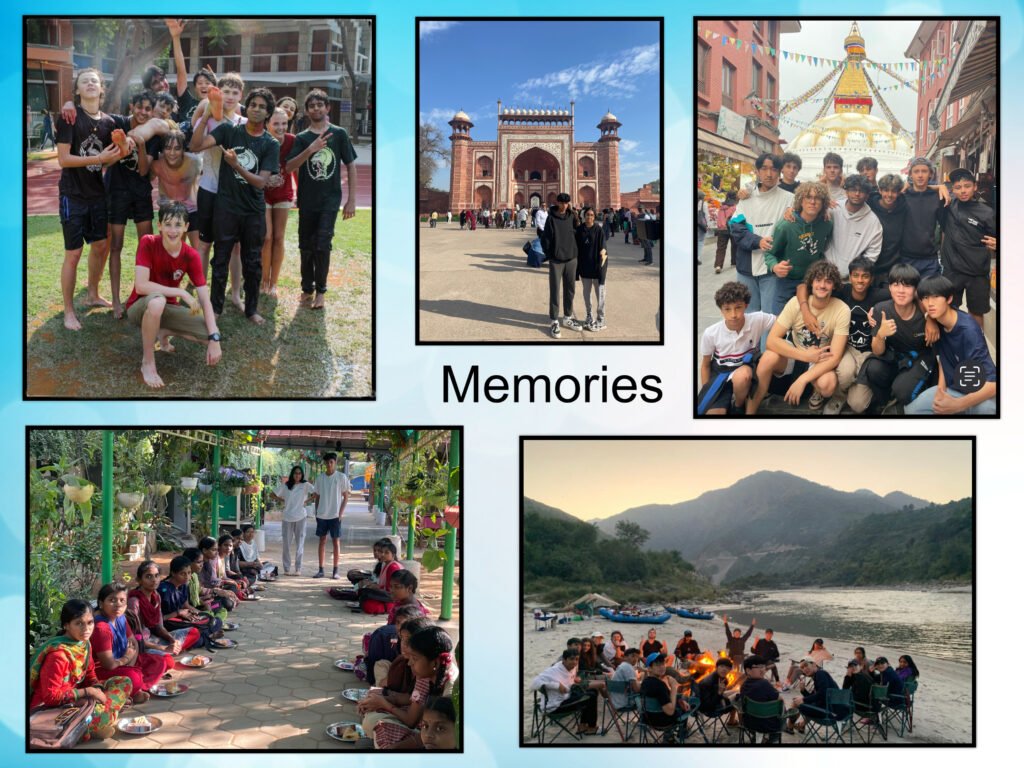
The first picture is of us celebrating Holi at school where we throw colors and water at each other and have fun. Holi is the Festival of Colors, a celebration that marks the arrival of spring. It is an occasion filled with laughter, music, and dance, where everyone, regardless of age, comes together to play with colors and enjoy festive food. Classmates and teachers share in the excitement, creating beautiful memories and promoting unity and love. Holi not only celebrates the beauty of diversity but also encourages forgiveness and the strengthening of bonds among people. We also celebrated Diwali, the Festival of Lights, symbolizing the victory of light over darkness and good over evil by dressing up in Indian clothes, sharing sweets, and participating in traditional games.

Second picture is of us visiting the Taj Mahal, located in Agra, India, built by Emperor Shah Jahan in memory of his wife, Mumtaz Mahal. Designated a UNESCO World Heritage Site, its stunning white marble architecture, carvings, and beautiful gardens attracts millions of visitors each year, and symbolizes the cultural heritage of India. We also explored the monuments of Delhi, the bustling streets of Mumbai, and the tranquil foothills of Dehradun with its cascading waterfalls. Exploring the streets of Coimbatore, we were amazed by the warmth of its people and the aromas of its bustling markets, while the ancient wonders of Mahabalipuram reminded us of a bygone era of art and architecture. Through these diverse experiences, we have come to cherish our rich culture and landscapes that make our world a truly remarkable place.

The third picture is of my team visiting Kathmandu, Nepal, for the South Asian Interscholastic Association (SAISA) soccer tournament. It was an incredible experience representing AISC against 11 member schools. The atmosphere of Kathmandu, with its rich culture and breathtaking landscapes, added to the excitement of the tournament. Throughout the events, I not only had the opportunity to showcase my skills and win medals but also learned invaluable team-building skills and the importance of fair play. Each match brought us closer as teammates, creating lasting friendships and unforgettable memories that extended beyond the games. The spirit of camaraderie and sportsmanship was truly inspiring, making this trip an enriching experience both on and off the field.

The fourth picture captures a heartfelt moment as we distribute school supplies and a meal to underprivileged children. Following the popular custom in India, they sit on the ground to share their meal, and their smiles of gratitude warmed our hearts as we handed out new backpacks filled with school supplies. In a country where overpopulation and poverty are pressing issues, we felt a profound sense of purpose in being able to contribute, even in a small way, to their education and well-being. This experience taught us invaluable lessons about empathy and compassion, reminding us of the importance of supporting one another and making a difference in the lives of those in need. Acts of service can build connections, bring hope, and inspire change.

The final picture is from our school trip, “Discover India,” which became one of the main highlights of my educational journey. These immersive week-long expeditions across India went beyond traditional classroom learning, offering a rich tapestry of experiences that allowed us to explore local cultures in depth. Each annual school excursion helped us develop essential teamwork and outdoor survival skills. From camping under starlit skies to navigating thrilling rafting/ surfing adventures, every journey nurtured resilience and adaptability while fostering a profound appreciation for the natural world. These unforgettable experiences shaped not just our knowledge but also our connections with one another and the environment.

Editor’s Note: Please also read Sustainable Shorelines by Arjun’s sister Maya, also published today!

About the Authors:
Arjun and Maya are 17-year-old twins at the American International School in Chennai, India. As USTA-ranked tennis players, they love sports and have won medals in South Asian Interscholastic Association competitions. Both serve as Student Ambassadors, bridging cultural gaps through orientation and wellness programs. Passionate about community service, they have both worked with various organizations. They also have co-founded the non-profit Mission BE A Resource, securing grants to support disadvantaged children. Arjun is a tech enthusiast with a love for outdoor adventures, while Maya enjoys helping elementary school teachers and expressing her creativity through art.

History Comes Alive in St. Augustine, Florida

History Comes Alive in St Augustine, Florida

By Roi Tamkin, writer and photographer, Georgia.

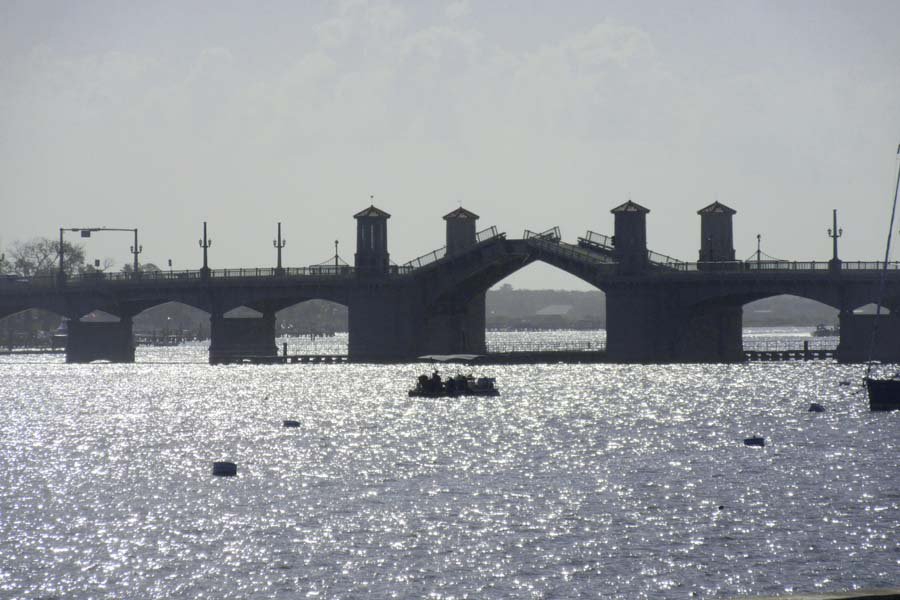
Bridge of Lions over the Mantazas

Come to St. Augustine, America’s oldest city, and step back through over 400 years of history. Founded by the Spanish in 1565, St. Augustine has survived centuries of wars, natural disasters and medical epidemics to become a major Florida destination for fun and education. The history is as rich and diverse as the people who lived through the years of exploration, conquest, disease and triumph.

St. Augustine’s story is told at every corner from the individuals whose lives touched this city, the architecture and the coastal climate down to the very spirits that inhabit certain places and can only be seen at night.

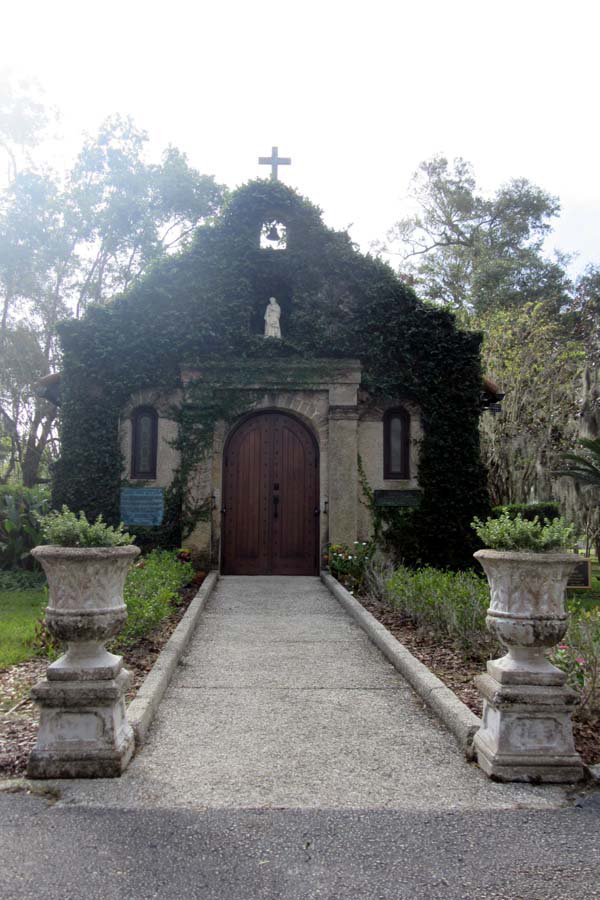
Fifty-five years before the Pilgrims touched Plymouth Rock, the conquistador Pedro Menendez de Aviles landed on North Florida’s eastern coast. He established the first European settlement in America living alongside the native population, the Timucuans. Today, that landing spot is marked by a large cross and the shrine to Mary, Our Lady of La Leche.

Shrine to Mary, Our Lady of La Leche.

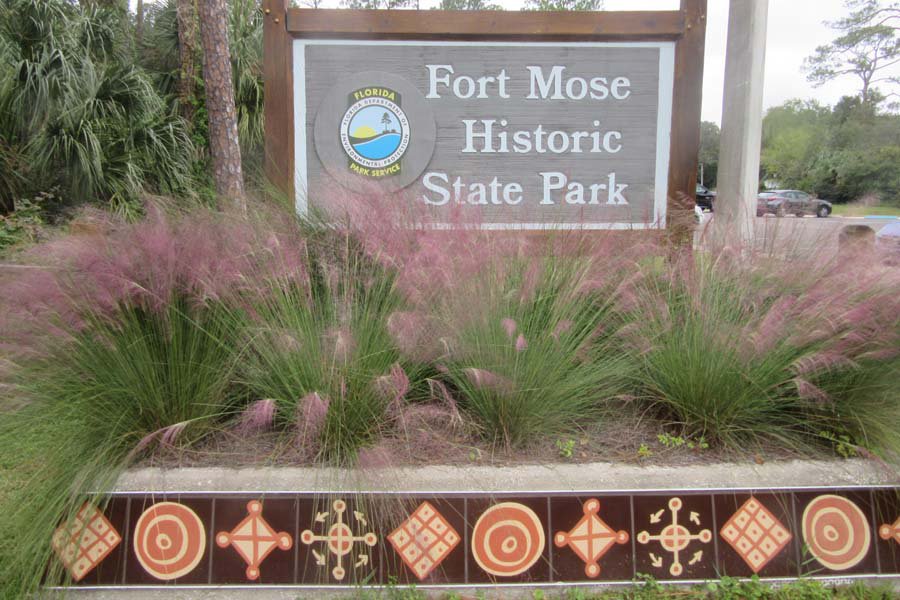
As soon as the British established its colonies north of Florida, the Spanish offered freedom to escaped slaves in return for serving in the Spanish militia. In 1738, 100 former slaves built Fort Mose north of the city. Sadly, climate change and rising sea levels have destroyed the old fort, but you can visit the state park today and learn how the freed slaves lived during the Spanish era.
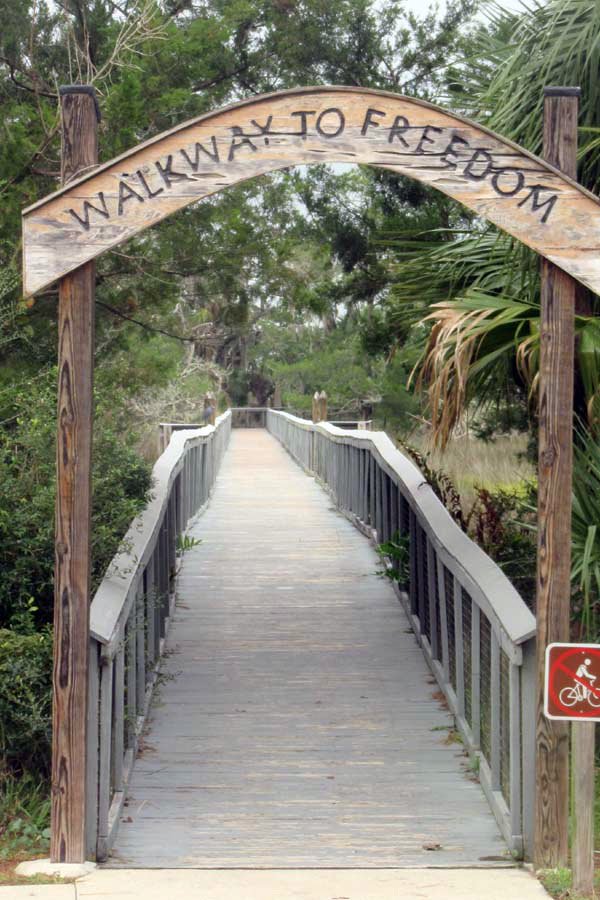
Fort Mose State Park Boardwalk

In the late 1700’s, immigrants from the Mediterranean island of Menorca arrived in St. Augustine seeking refuge. They brought with them their customs and traditions and lived in their own neighborhood while increasing the population of the city. Although today the Menorcans have blended in with American society, many restaurants still serve Menorcan cuisine. You might even find some local shops selling hand-crafted items of their former Mediterranean life.  

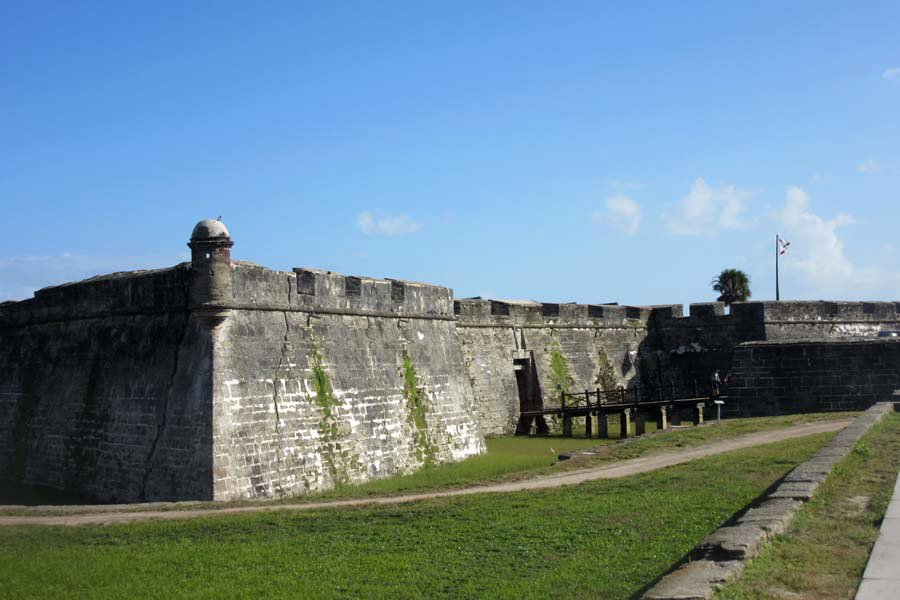
Castillo de San Marcus

The city has preserved many historic buildings and their furnishings to demonstrate how people lived through the ages. The Castillo de San Marcus is the oldest masonry fortification in the U.S. Completed in 1695, it guards the city from its colossal post by the Matanzas Bay. Henry Flagler is a name synonymous with St. Augustine’s grand architecture. He built the exquisite Ponce de Leon Hotel as a resort for the wealthy. Today it is part of Flagler College. The nearby Lightner Museum was also a renowned hotel built by Flagler. Today it houses an extensive collection of decorative arts from the Gilded Age and a large collection of Tiffany glass art.  

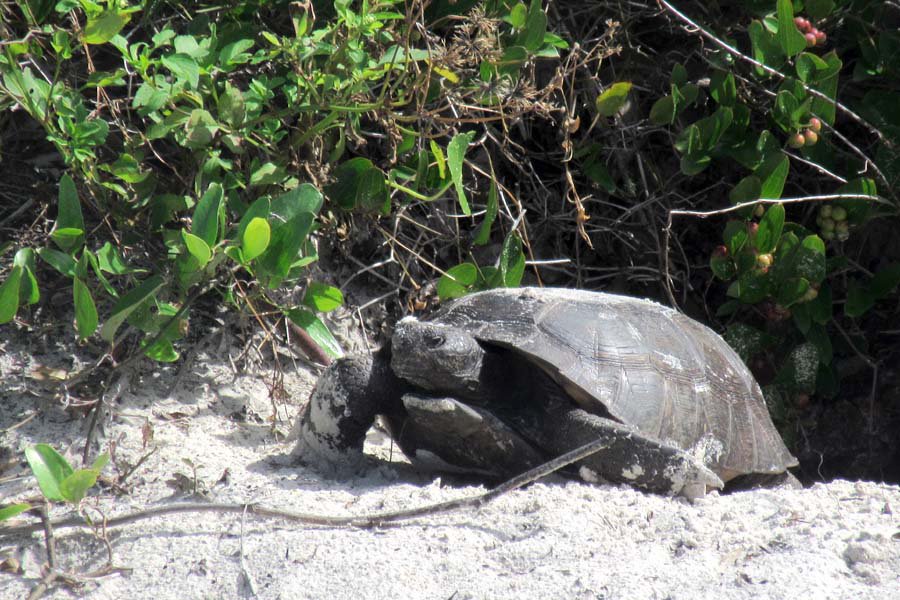
Gopher Tortoise Says Hello

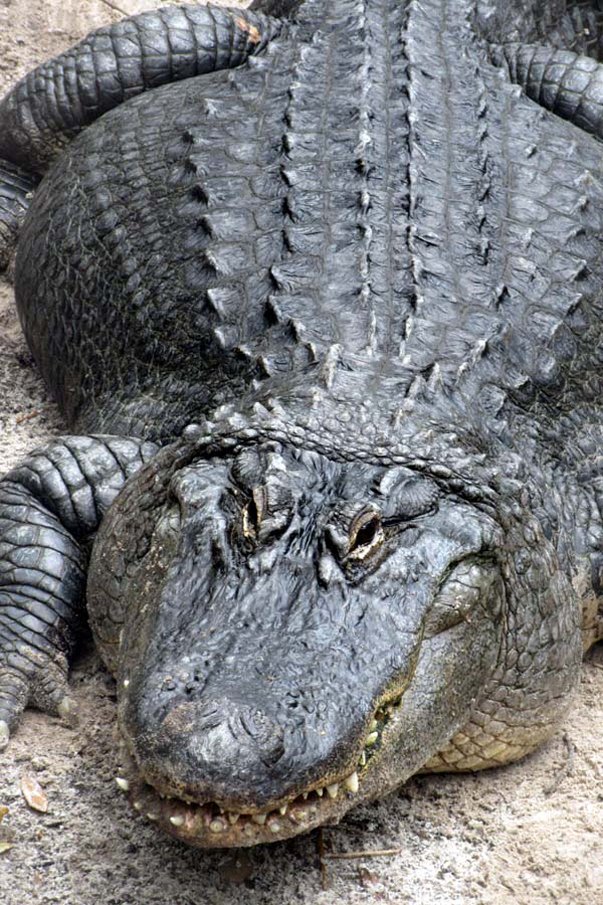
In addition to the history and architecture, St. Augustine abounds in wildlife. All around the coast are rookeries for birds and estuaries for fish. In addition to Mose State Park is Anastasia State Park on Anastasia Island. The state park is known for its long stretch of sandy beaches, but it also home to the gopher tortoise and the endangered Anastasia Island beach mouse. Walking along the shore you are bound to see crab and an abundance of shore birds. You might even spot a pod of dolphins jumping through the waves. Just don’t swim in pools of fresh water. There’s likely to be a snake or alligator lurking around.

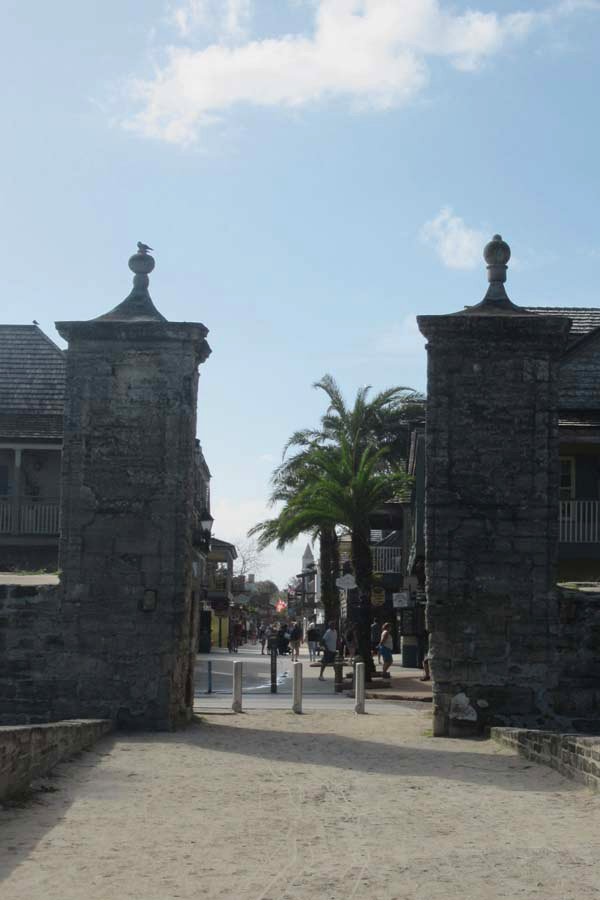
Of course, with a city this old, ghost stories flourish. Whether you believe in ghosts or not, you might want to keep your eyes open as you pass through the city gates. Stories of lost children, jilted brides and innocent men hung at the old jail are as plentiful as the seashells that make up the walls of the Castillo de San Marcus.

City Gates: Ghosts Haunt Here

Spending a couple of days on Florida’s historic coast is a trip through time while experiencing different cultures, languages, food and art. It’s also an opportunity to see alligators, birds and other sea life up close. But not too close when it comes to the alligators!

Photographs and article by Roi Tamkin, writer and photographer, Georgia.

Home

Home

By Lina Murat Mariani, age 11, New York. 

As I stand here, looking at this blank sheet of paper
Trying to describe how it felt when I looked back on the plane that day
All I remember is forgetting—
Forgetting home.
That plane was Odysseus’ ship
Sailing to a strange land,
Leaving but fading memories
A puppet in time’s grip.
Looking back and seeing all my life
Ashes for someone else’s dream to be born from
My home was but naked walls,
Perfect for someone’s paintings and trophies
All my life was a few boxes
And everyone says I should look forward to my new home
But why, if everything would be pictures of people that could be here? Windows into my melted life?

I had already moved on before,
And all that were just undone stitches now.
Why did my home had to be a comfy sweater,
One that people could just throw away?
Why was home meaningless as this sheet of paper?
This new home was my grave—
And worse, the grave of my life.
I look around, feeling like a trapped bug in the full-wall windowed room.
At least Odysseus had iron and blood to fight for his home.
All I had was my swift pen
My empty words
And this blank, meaningless sheet of paper.

—Lina Murat Mariani, age 11, from New York. Currently, she is in Brazil with her family.

Lina explains her poem, “Usually, poems are not read for the reasons they were written. Sometimes, they’re read because of the poet who writes them, but normally, it’s about more than that. Poems are read because the right poem doesn’t just paint a profound or beautiful picture. They paint you. They paint your whole existence, the doubts that consume you like a wildfire, or the hopes that lift your chin up. It’s that tangled mess of red strings and emotions that makes up your life. The right poem echoes your every thought, your every action, the treasure trove of who you are. 

“My reason to write this poem, which I call Home, may be selfish, or childish. It is because three months ago, I watched, helpless and silent, as we got onto that plane to move here, to Brazil. It’s because I have seen everything disappear in the blink of an eye, behind mountains and oceans. It’s because I long for that feeling of being in the U.S., instead of Brazil, with my friends, my teachers, my family, before it was all broken… I write about that strange and wonderful feeling of being home, like a warm blanket that hides fear, sadness, and anything else, because I know I am where I belong, and that can’t change. Until it did. And, more than all, I wrote this poem because I resent that all I can do to go back is write some words on an otherwise blank paper, and those words are just as easily ripped as the paper that binds them. I write because I am bound to this land, as words are to paper, and all I can do is watch as destiny writes my story, my cry swallowed and lost on that horrible day when I saw my entire life being packed up and dragged away.”

Between Gaza and Me

Between Gaza and Me

By Nada Alaloul, age 17, from Rafa, lives in Egypt.

Between all of these
Cold bodies,
Tired faces,
Busy minds
Lost people
There is Nada como yo
Between black and white there’s me
Between sun and moon, there’s a scream
Between hell and heaven, there’re my people under the rubble
Between death and life, there’s a missile
Between war and peace, there’s a border
Between freedom and shackles, there’s the whole world
Between tanks & planes, there’s my family
Between my family & me, there’s an endless cry
Between my happiness & sadness, there’s the news of my city
Between the present and the past, there’s a genocide.
Between death here, and death there
There’s a huge price
I have one heart with
Two separated souls
And I’m a ghost
And I’m completely alone.

I was at home
Now I’m missing my home
Suddenly
I lost my home
I was here and there
But Suddenly
I’m nowhere
My home was bombed
My friend was killed
My sister was scared
And my dad was missed
And all I’m doing here
Is just avoiding to be the
Favorite dish for my sadness
Cuz actually I’m a liar
A big liar
I’m drowning in heavy clouds of sadness
Afraid to confirm
That my happiness is sad
To be with me
My happiness is scared
To be bombed with me
My happiness fooled me
But at least I know
That I couldn’t know
That I’m not happy
Without my sadness
I couldn’t realize
That I want balance
Between black and white
Between my happiness and sadness
To stop being gray
Without my sadness.

So now
I’m under a sky that
Doesn’t target its people
I walk towards the sun but I’ll never be burned
Cuz my soul has been burned once
Before when I left Gaza
Alone

What about you, dear human?
Can you bring me the warmth of the sun?
Not the one over my head
Nor the Egyptian sun which
Burns my bones like
The missiles do against
The tents of my friends
I want the warmth of my family
I’m a ghost and
I’m completely alone

I’m blue, drowning in a
Gray ocean of the fog
Gray, the favorite color of the death in my city
The color that I used to see
Whenever I roam in my ghost city
The color that I used to feel
Whenever the measure between
Death and me is just a path

I have one heart
With two separated souls
I’m a ghost and I’m completely alone
I’m here and there
And suddenly
I’m nowhere
Como Nada como Yo.

By Alaloul, age 17, from Rafa, Palestine, currently lives in Egypt.

Ms. Lauren Marshall, a playwright, musical theater librettist/lyricist, director and teaching artist based in Washington state, adds: “Nada is a remarkable girl from Gaza, now living with relatives in Cairo, Egypt. She participated in the Gaza Heartbeat, a creative writing project that was sponsored by Palestine Charity Team (PCT) in Rafah, Gaza (Palestine), in 2022.

“Nada has a positive outlook despite all that has happened to her! She was evacuated from Gaza in April, 2024. But her family is still stranded in Gaza, displaced from their home, which has been destroyed during this senseless war. Nada, like all of Gaza’s children, has missed an entire year of school as the result of the war. During this time, she has read books, written short stories and poems, taught herself Spanish, taken a business course in Cairo, and volunteered with PCT!”


Nature’s Quest

Nature’s Quest:
Geocaching Adventures for Young Explorers

By Carol Thompson, EdD., Georgia

Have you ever wished you could go on a real-life treasure hunt? Well, guess what? There’s a super cool outdoor activity called geocaching that lets you do just that! It’s like a secret mission where you get to explore nature, find hidden treasures, and enjoy quality time with your family.

What is Geocaching?

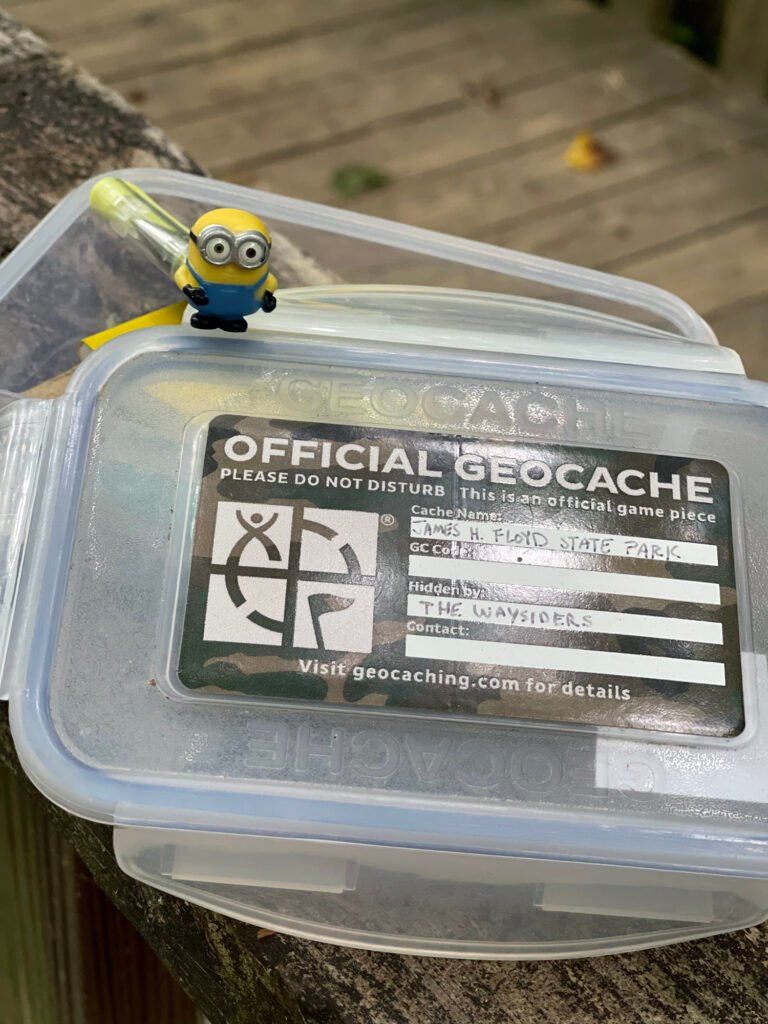
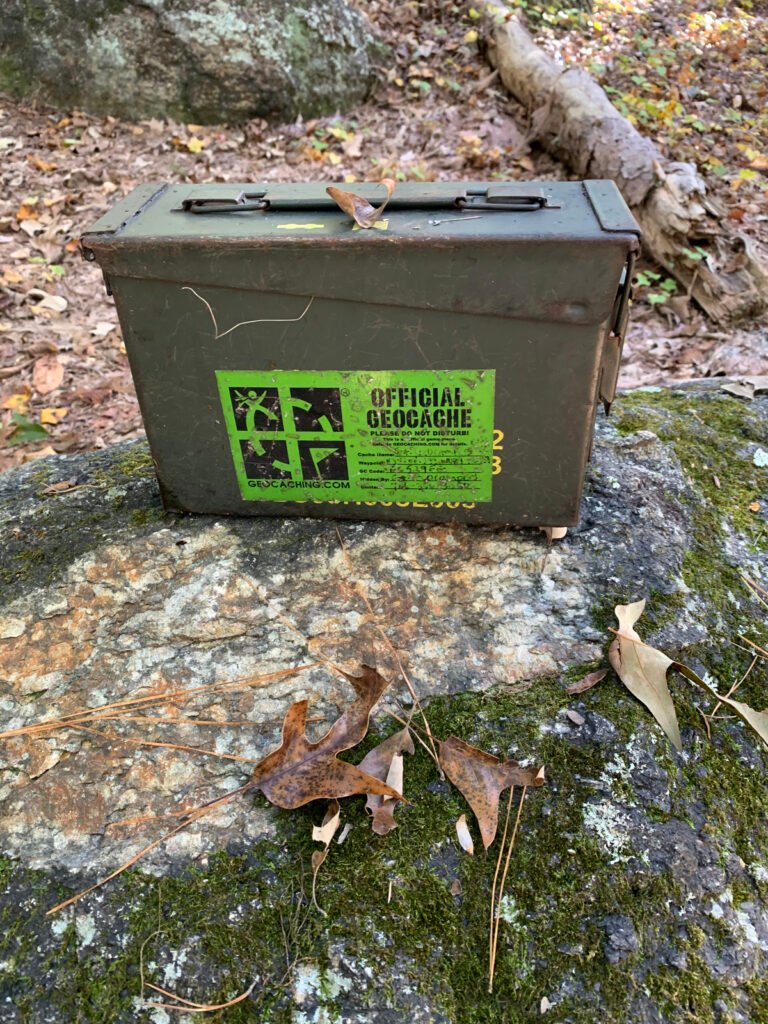
Geocaching is a modern-day treasure hunt using GPS devices or smartphones. People all around the world hide small containers, called geocaches, “cache” for short, in various outdoor locations, from parks to forests to urban areas. These hidden treasures can be found using GPS coordinates, which guide you to the exact spot where the geocache is waiting to be discovered. It is very similar to hide and seek with small goodies to locate. Who doesn’t like a good game of hide – go – seek?

How Do You Geocache?

Getting started with geocaching is easy and doesn’t require a lot of fancy equipment. All you need is a GPS device or a smartphone with a geocaching app installed. You can find many free apps designed just for kids to make the adventure even more exciting.

  1. Choose Your Geocache:  Use the app to pick a geocache near you. Look for ones with easy difficulty levels at first, so you can get the hang of it. The app will give you the cache basics, like size, difficulty, and terrain. It also sometimes gives you hints, photos, and date of the last find. The challenge is on!
  2. Follow the Coordinates:  The GPS coordinates provided by the app will lead you to the general location of the geocache. Once you get close, use your keen observation skills to find the hidden treasure. Depending on the app, sometimes your GPS will even vibrate when you are close.
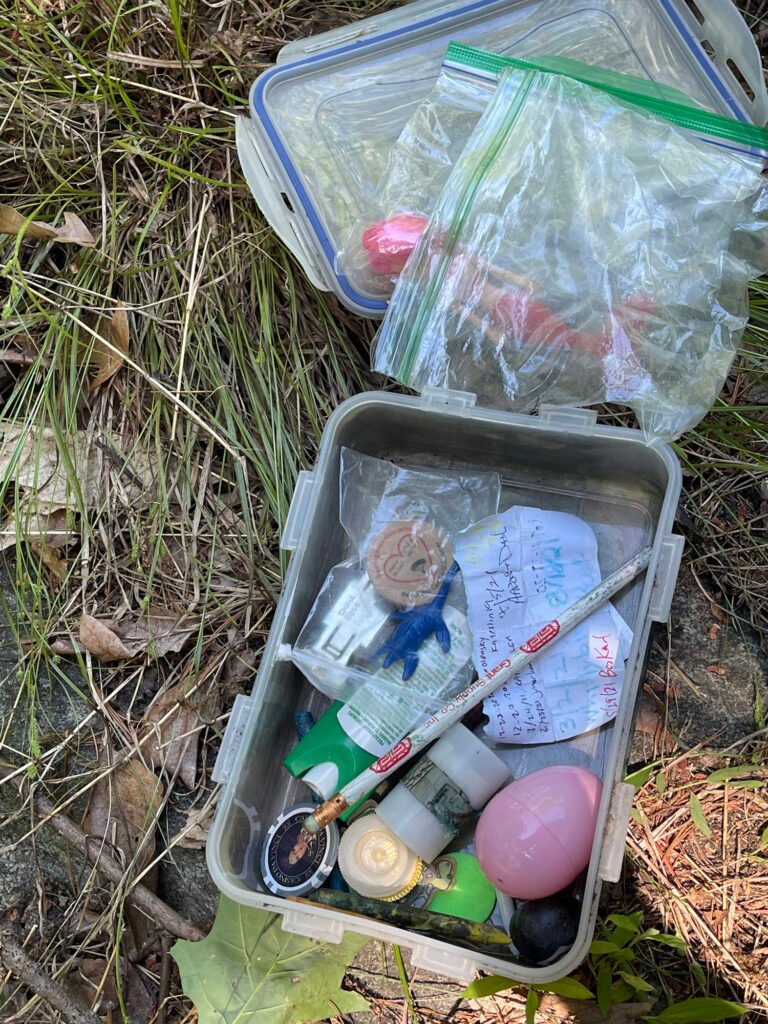
  3. Discover the Treasure:  When you find the geocache, open it carefully. Inside, you might find small toys, stickers, or other fun items. Remember, if you take something, you should leave something of equal or lesser value for the next adventurer. Another reminder is that the cache shouldn’t be moved so that the next treasure seeker can find it using the same coordinates. Bask in your discovery and take the time to look around.
  4. Log Your Discovery:  Many geocaches have a logbook where you can write your name and the date of your discovery. Sometimes the log is digital only and requires you to log via your app. It’s like leaving your mark on the treasure map and letting other treasure seekers know that you were successful.

What are the Different Types of Caches?

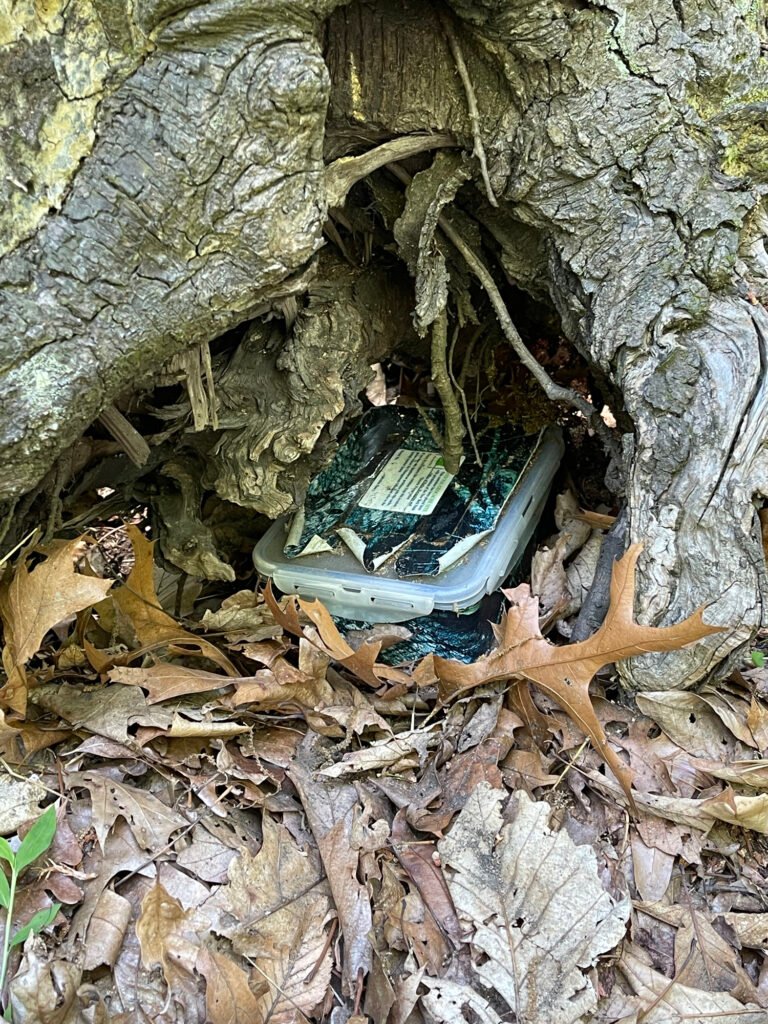
Geocaching has a cache for every adventurer! “Micro” and “small” caches are perfect for inside city settings where space is limited like magnetized under a park bench. “Traditional” caches are more likely to be tucked inside natural hideaways like under a huge Oak Tree with coordinates specific to a wildlife area. “EarthCaches” add an educational twist, exploring geological wonders. “Virtual” caches offer interactive challenges, and “gadget caches” combine tech and ingenuity for a modern treasure hunt where the caching pirate must figure out a specific puzzle to unlock the container. Each cache type ensures geocaching is a diverse and thrilling adventure, catering to a wide range of interests and skills.

Connecting with Nature

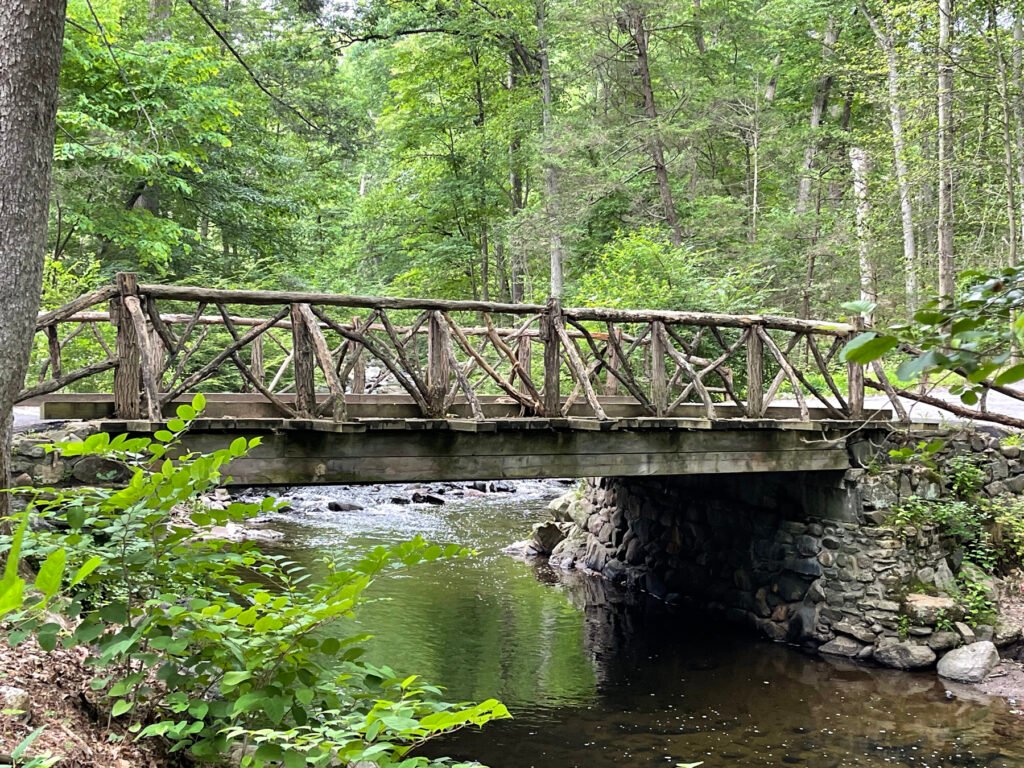
Geocaching is not just about finding treasures; it’s also a fantastic way to connect with nature away from screens and gadgets. As you follow the GPS coordinates, you’ll explore beautiful parks, serene forests, and other outdoor wonders. You might come across flowers, insects, wildlife, or even some cool geological features—all part of Mother Nature’s amazing creation. It’s a chance to appreciate the beauty of the world around you while having a blast with your friends and family. Geocaching is a thrilling adventure, a friendly competition, and a great way to get outside and see lots of different things. Get ready for your first of many geocaching expeditions!

A Note of Caution

As always, for safety reasons, we highly recommend that you should have a trusted adult (a parent, for example) with you on your geocaching adventures. 

—Carol Thompson, EdD., Georgia. Carol is an experienced author with a diverse portfolio, including the “Mr. Wiggle” series published by McGraw Hill, Inc. She has also published numerous magazine articles.

World Environment Day, June 5

The World Environment Day, June 5

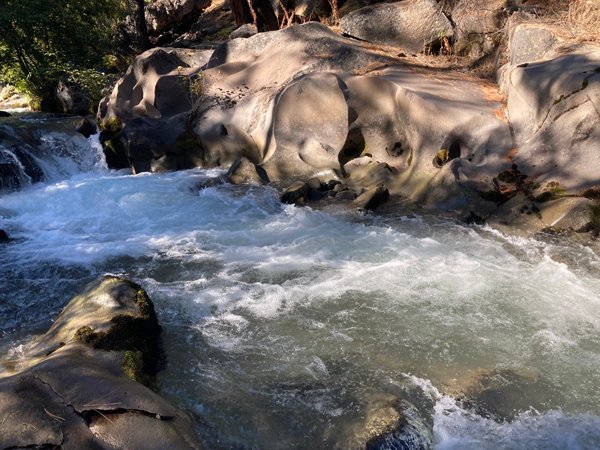
Snow-fed mountain streams bring us water year around. Photo taken in the Oregon Cascades by Arun N. Toké.

Greetings! We wish you all a very happy World Environment Day, being observed today (5 June 2024) around the world with the theme of Land restoration, desertification and drought resilience.

World Environment Day is one of the biggest international day for remembering our relationship to the environment. Led by the United Nations Environment Program (UNEP), and held annually since 1973, it has grown to be the largest global platform for environmental outreach (similar to the Earth Day that has been observed in the United States since 22 April 1970). It is celebrated by millions of people across the world.

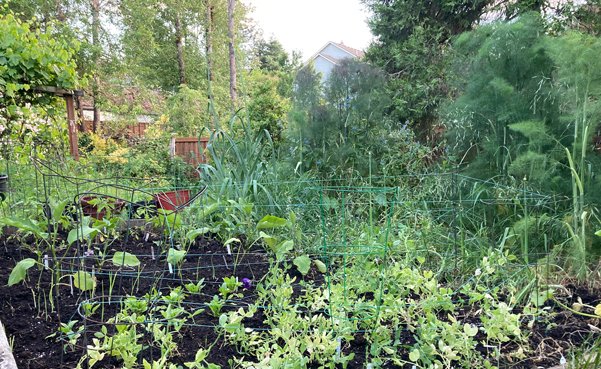
Our Backyard Garden. Photo: Arun N. Toké

Early this morning, as I began my day, I ventured out in our backyard garden, nibbled on a handful of berries that had ripened, and looked at how the garden was doing in the warm, late spring weather. Then later while I bicycled to work, I enjoyed the clean air that I breathed in and appreciated the shrubs and trees that enlivened my way to work. This daily, relaxed way of commuting to work gives me some time to think on what I need to focus on at work and to plan my day to achieve the needed tasks.

Without the natural environment (aka biosphere) that makes life on our precious Earth possible, we simply can’t exist. We owe Mother Nature our immense gratitude for this lifetime of opportunity to experience the incredible beauty and complexity of life.

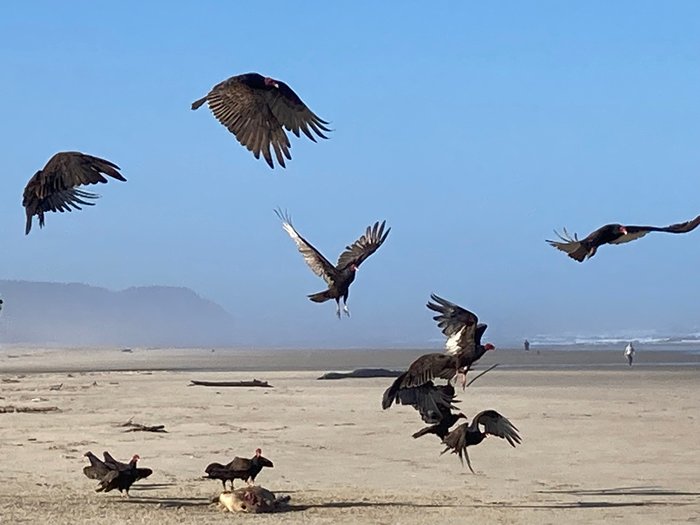
Vultures Devouring a Dead Seal on the Waldport Beach, Oregon. Photo: Arun N. Toké

Let us do everything humanly possible to keep the biosphere intact. Let’s appreciate what nature has sustained for millions of years. Human life has been around for just a small fraction of that time. True, with our intelligence and industry, we are able to alter the natural conditions in our surroundings for our temporary pleasures. And that is a big problem! We don’t see the long-term impact of what our technology and industry, economic and political systems, and greedy ways are able to do.

Land restoration is a key pillar of the UN Decade on Ecosystem Restoration (2021-2030), a rallying call for the protection and revival of ecosystems all around the world, which is critical to achieving the Sustainable Development Goals. Visit the World Environment Day website.

As we observe the World Environment Day, I would like to leave you with some images I carry with me on my cellphone. Whenever I look at them, I remember my immersions in nature—be it working in the garden, camping, hiking, and wandering through the woods, rafting in a river, kayaking in a quiet lake, or feeling tiny in the vicinity of the Pacific Ocean—that these moments represent.

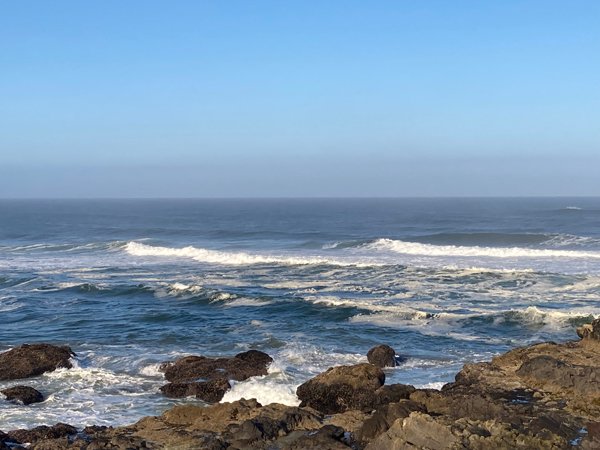
Pacific Ocean near Yachats, Oregon. Photo: Arun N. Toké

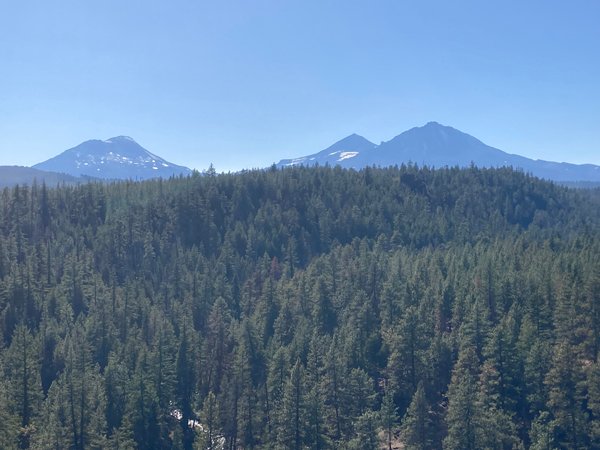
Three Sisters, Oregon Cascades. Photo: Arun N. Toké

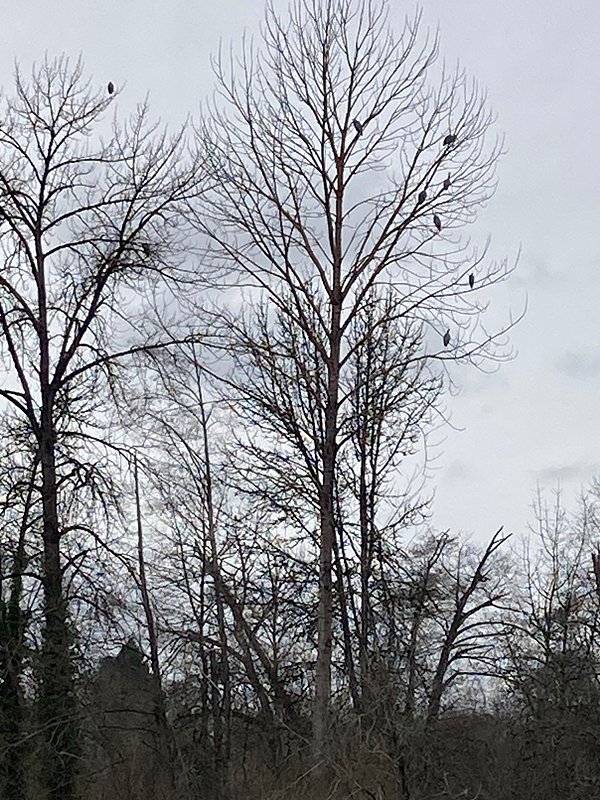
Many Great Blue Herons Enjoying a Winter Afternoon near the Delta Ponds, Eugene. Photo: Arun N. Toké

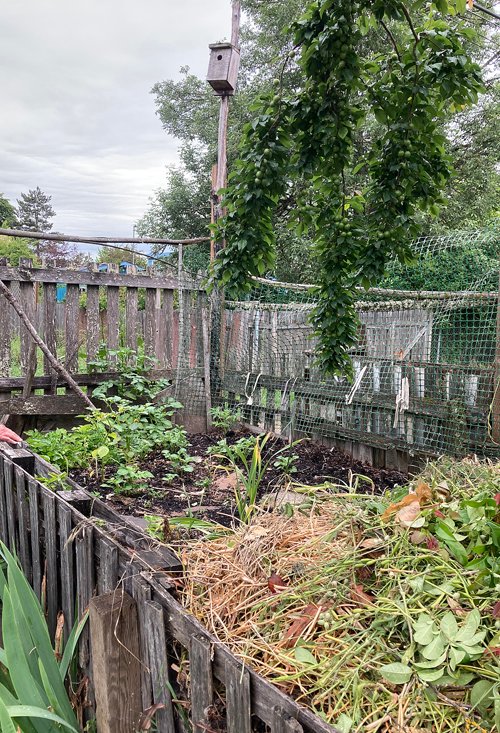
A Big Compost Bin in my Friend’s Backyard Produces Rich Soil for Garden. Photo: Arun N. Toké

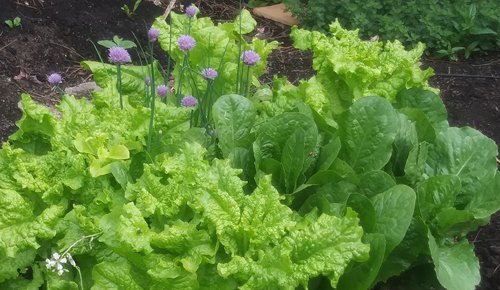
Paul Dix’s Lettuce and Chives Patch Produced Tasty Greens! Photo: Arun N. Toké

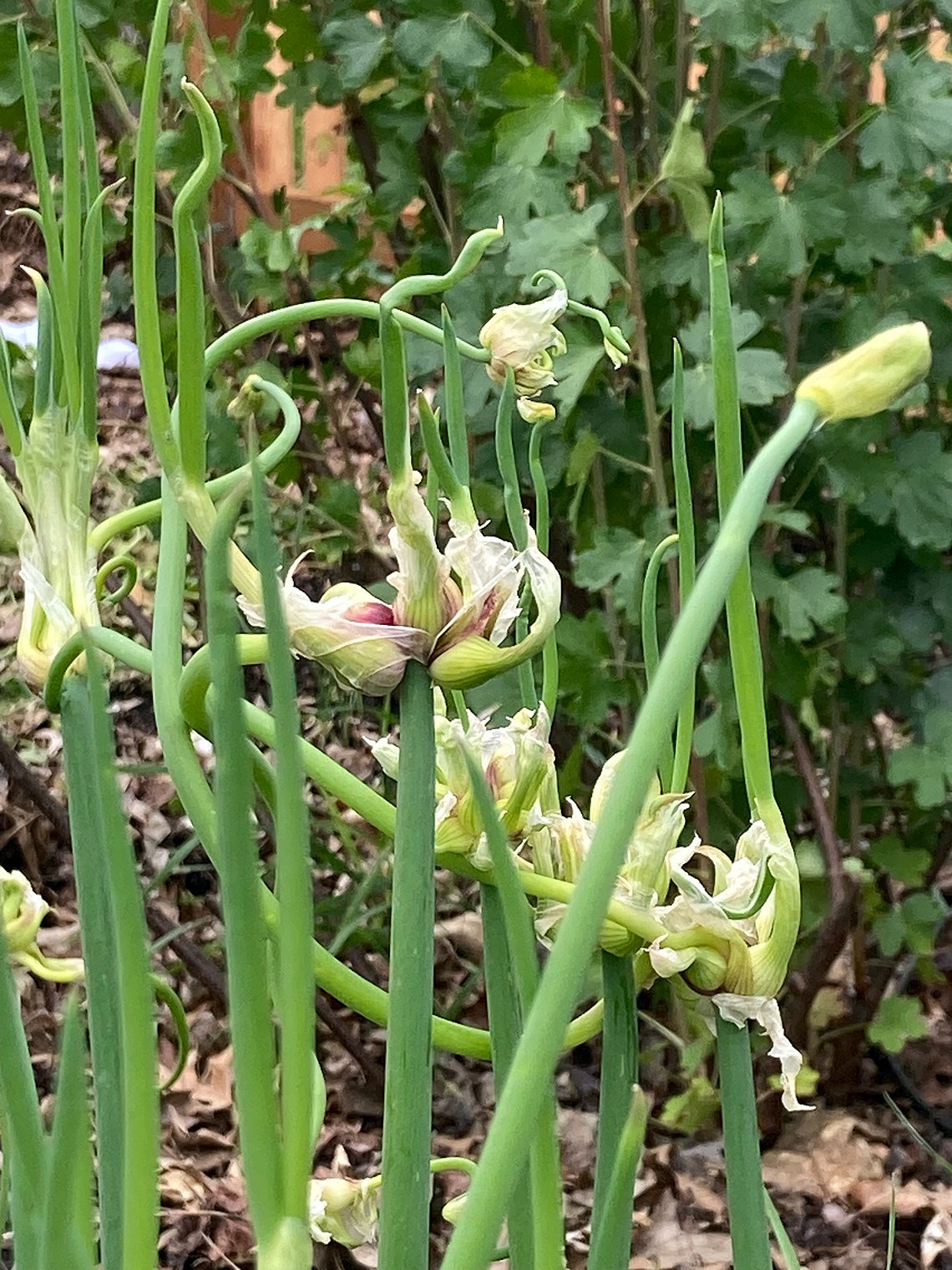
“Walking Onions” in Paul Dix’s Garden Provide Onions, Season after Season! Photo by Arun N. Toké.

Mona Lisa Memories

Mona Lisa Memories

By Katacha Díaz, Oregon

During my childhood years of growing up in Peru, as the first-born grandchild in the family, I spent a great deal of time with my loving and nurturing paternal grandparents. Papapa and Mamama patiently indulged me with clever age-appropriate answers to my many questions. I was intrigued by my grandparents’ art collection—serene landscapes and stormy seascapes kept me entertained, but I was most fascinated by the formal portraits of our family members and predecessors. Little did I realize we had such illustrious relatives in our family tree, for the family to commission portraits from popular artists of the time.

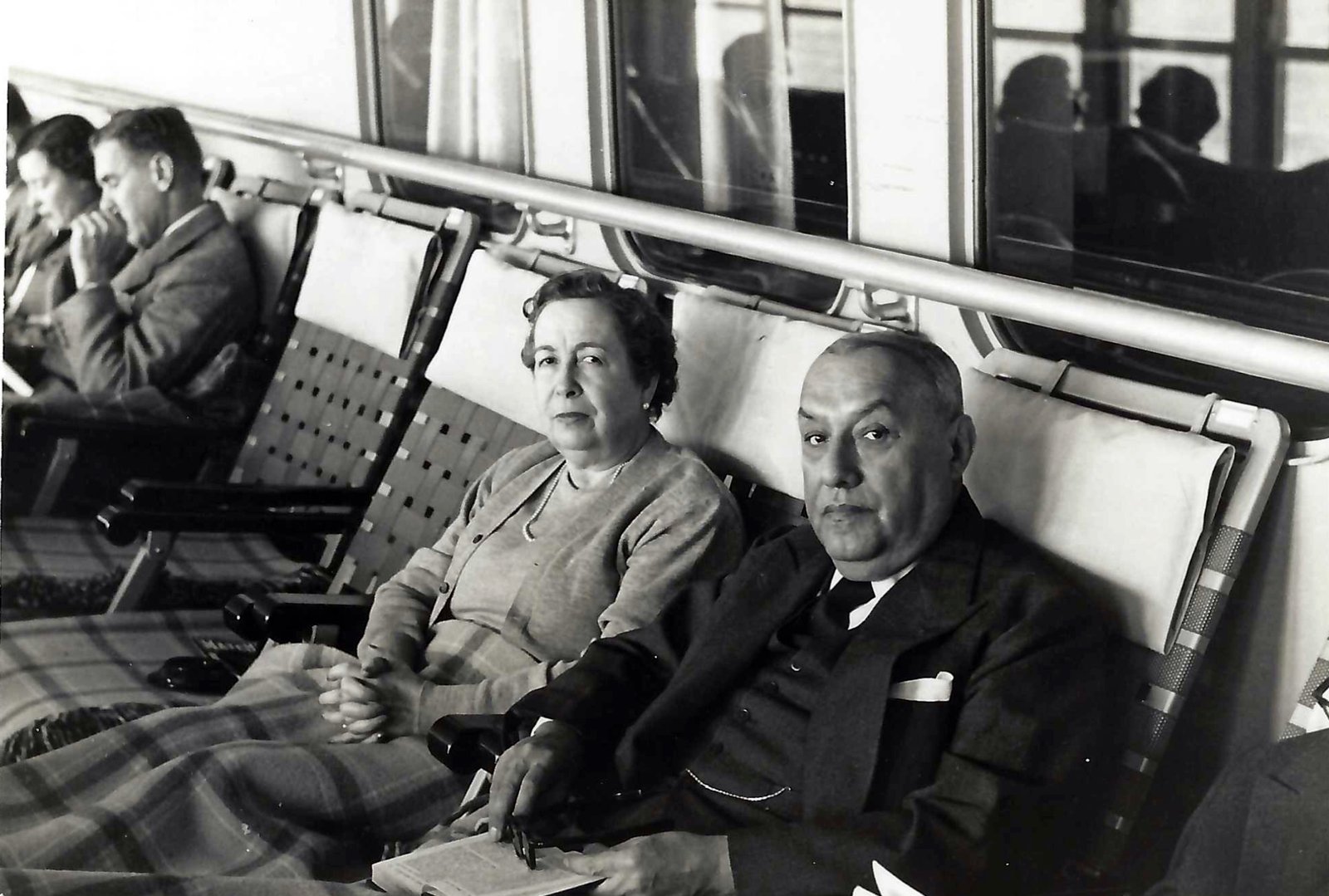
My Mamama and Papapa on their Return Voyage from Europe, 1953

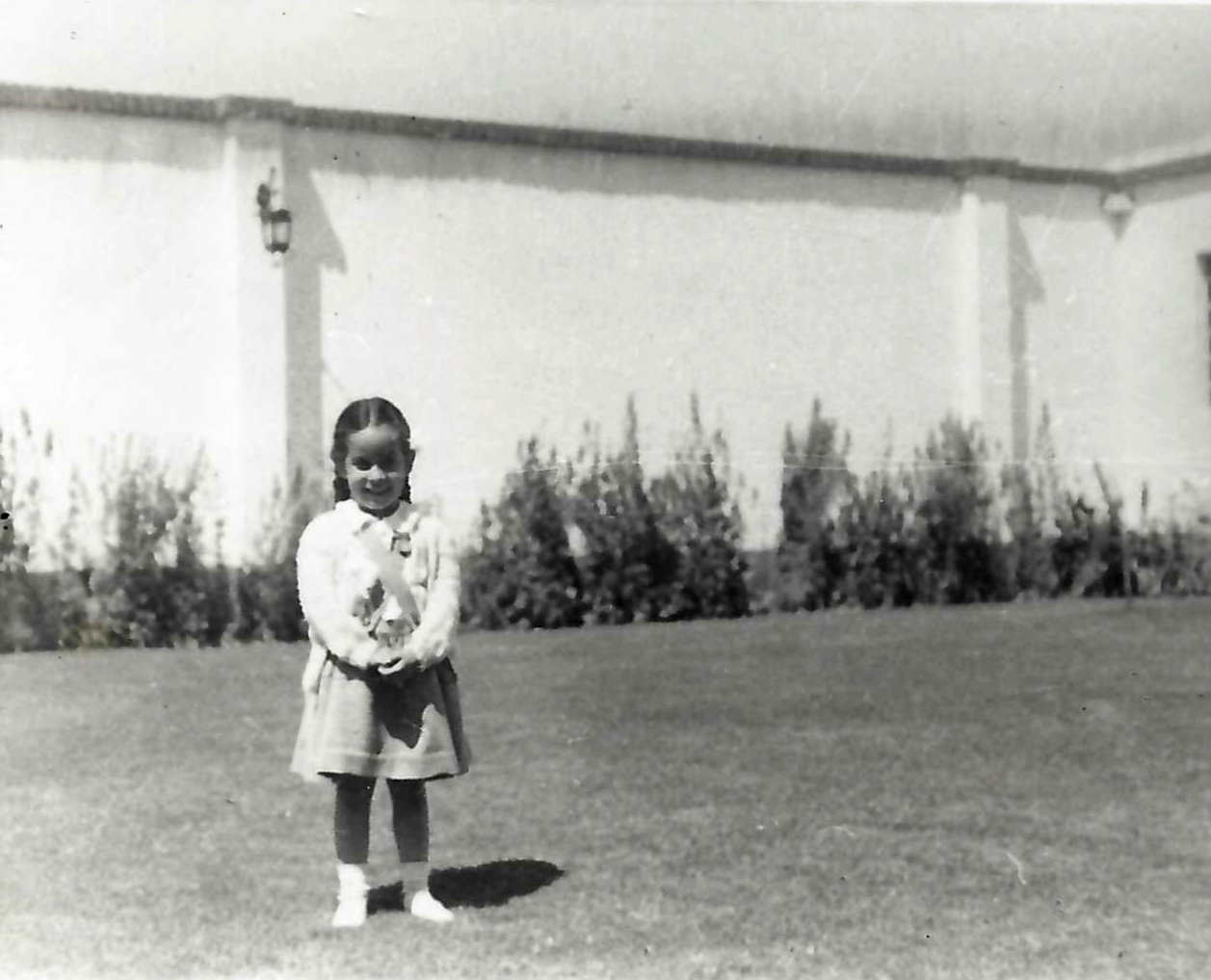
Recently I spent time organizing my own family memorabilia, collected over the years, and found myself transported back in time to childhood days at my grandparents’ sprawling house in Miraflores, a suburb of Lima, Peru (see below). The family had gathered at Sunday luncheon to celebrate my grandparents’ return home from Paris. Papapa had served four years as Peru’s ambassador to France.

The Author as a child at her Grandparents home in Miraflores, Lima, Peru. 1948.

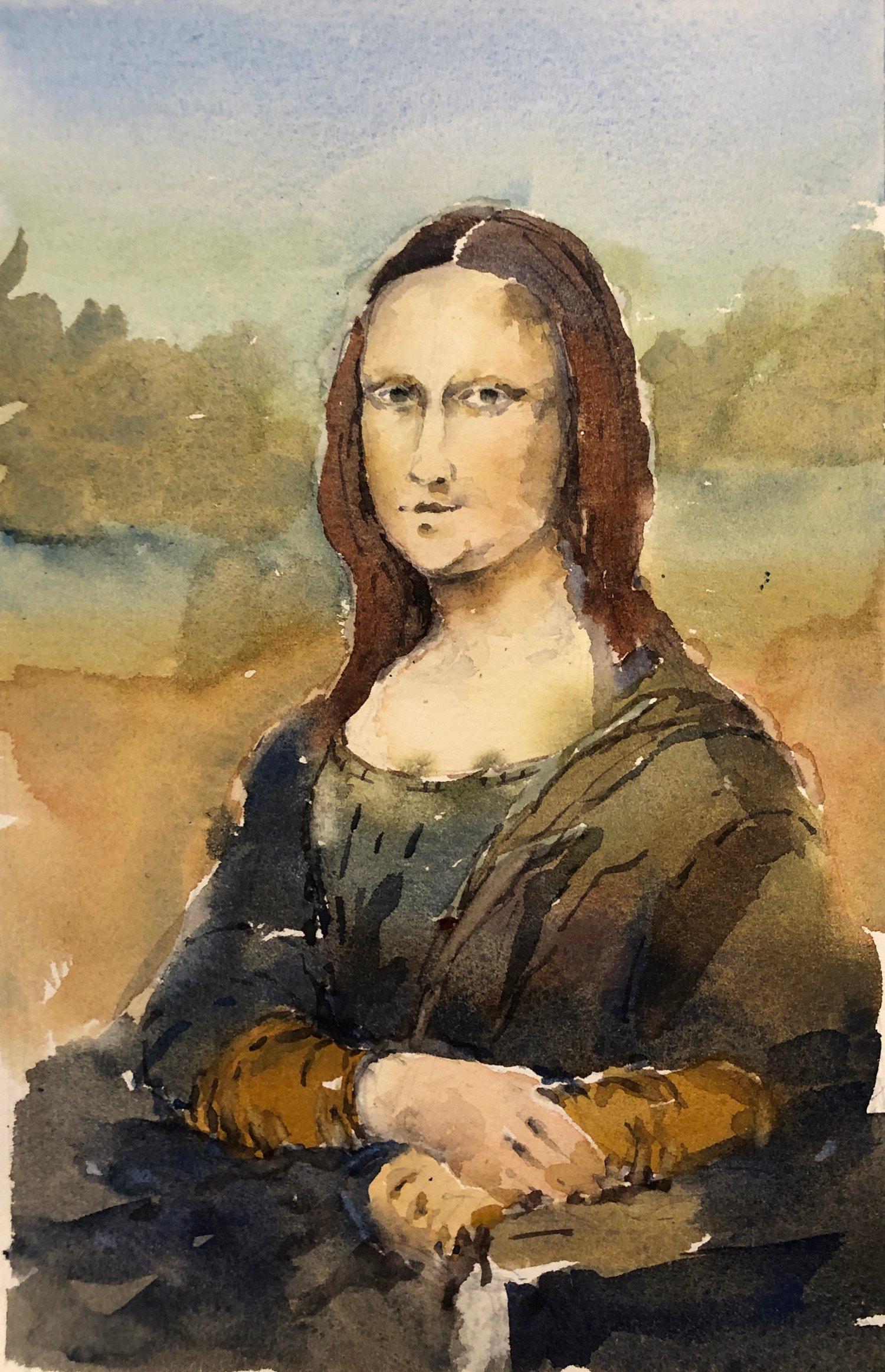
This particular day is etched in my memory. Papapa stood beside me while I gazed wide-eyed at the painting of a smiling beautiful young woman. “Is she another of our famous relatives, I asked him?” Papapa shook his head and smiled. “This is a copy of the world famous painting by Leonardo da Vinci, the Mona Lisa. Mamama and I saw the original painted on wood, at the Louvre Museum in France. We found our oil-on-canvas copy at an art gallery, during an evening stroll along the Ponte Vecchio in Florence (Italy).”

“Mona Lisa” Replica. Illustration by Daemion Lee. Oregon.

Papapa and Mamama showed me photo albums and art books collected during their European travels. These were filled with photographs of renowned paintings and illustrations with captions, along with artist biographies and exhibition notes. I learned the difference between an original piece of art and a reproduction, like the one in my grandparents’ house. Later, we stood by the floor globe in Papapa’s study and charted the voyage of the replica Mona Lisa. Our Mona Lisa had traveled inside a wooden crate from Europe across the Atlantic Ocean and through the Panama Canal to reach Peru!

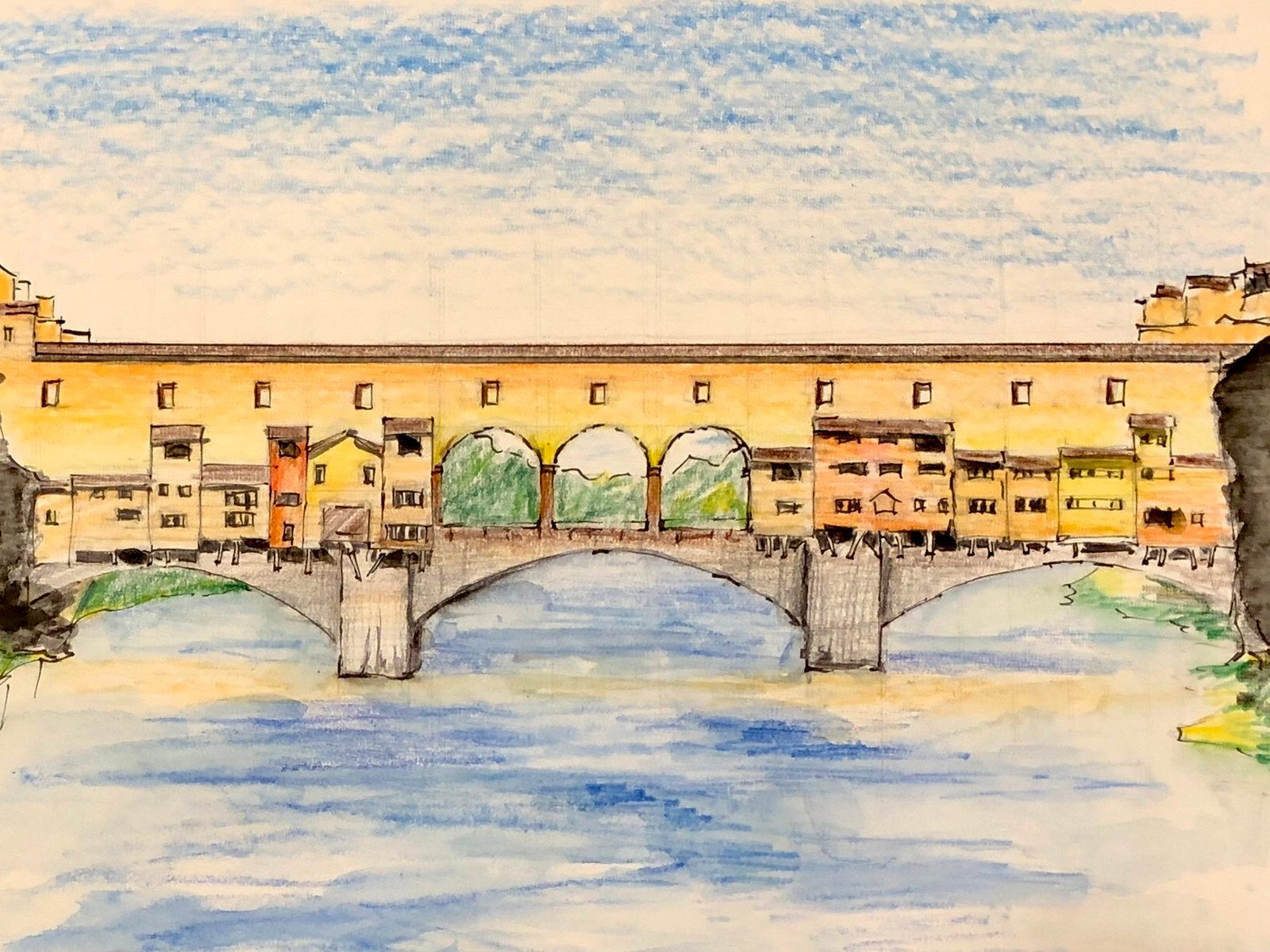
Growing up in the exotic land of the Incas, I was impressed by my grandparents’ eclectic art and stamp collections, the leather-bound books, and encyclopedias lining the walls of the library where my grandfather spent hours reading and writing. Mamama and Papapa’s home opened a whole new world to explore and study during my sleep-over adventures. Five decades ago, following in my grandparents’ footsteps, I visited la bella Firenze, walking across the beloved 16th century Ponte Vecchio, peering into the windows of the art galleries, goldsmith shops, and souvenir sellers. And I imagined Papapa and Mamama enjoying a romantic afternoon stroll along the picturesque bridge, the only one in Florence that was spared from destruction during the Second World War. I was transported back in time and reconnecting with my dear Papapa and Mamama missing their presence in my life.

Ponte Vecchio, Florence, Italy. Illustration by Daemion Lee, Oregon.

All these years later, I am grateful for my childhood memories of Peru, and the way that a painting or a photograph can keep my grandparents in my life, even today. In my kitchen I keep a watercolor painting of sunflowers in a Tuscan (Italy) field, which I found along the Ponte Vecchio. It keeps the memories alive and is good for my soul. Who could ask for more?”

Katacha Díaz is a Peruvian American writer and author. Wanderlust and love of travel have taken her all over the world to gather material for her stories. She has been published in many outlets, including in several issues of Skipping Stones. Katacha lives in the Pacific Northwest, near the mouth of the Columbia River, USA. 

Pinckney Island National Wildlife Refuge

Pinckney Island National Wildlife Refuge

By Roi J. Tamkin, Georgia.

A great way to experience nature and the outdoors without traveling to remote parts of the country is a visit to a National Wildlife Refuge. There are 588 National Wildlife Refuges, or NWRs, across the United States alone. Chances are very good there’s a NWR near you.

NWRs are managed by the U.S. Fish and Wildlife Service. Their number one priority is to protect native species. Their second big purpose is recreation. NWRs are great for outdoor hiking, exploring and fishing. If you live near a refuge by the water, you can even go boating. The Fish and Wildlife Service manages land and water resources to create the optimal environment for all the plant and animal species that call these refuges home.


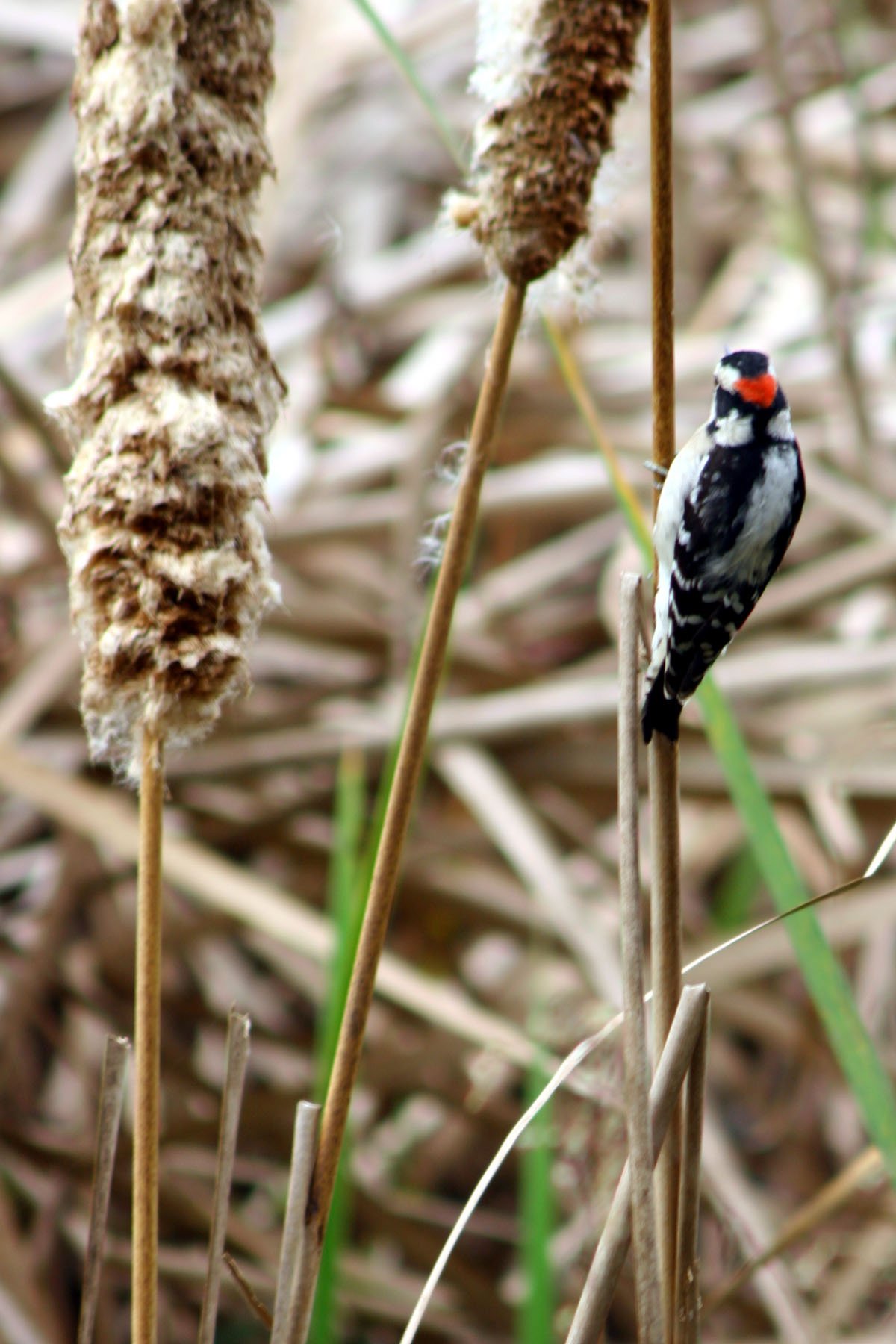
Downey Woodpecker in Cattails

I recently visited Pinckney Island off the southern coast of South Carolina. This NWR is part of a chain of islands along the Atlantic Flyway that attracts thousands of birds each year. The island is an important rookery for coastal birds.

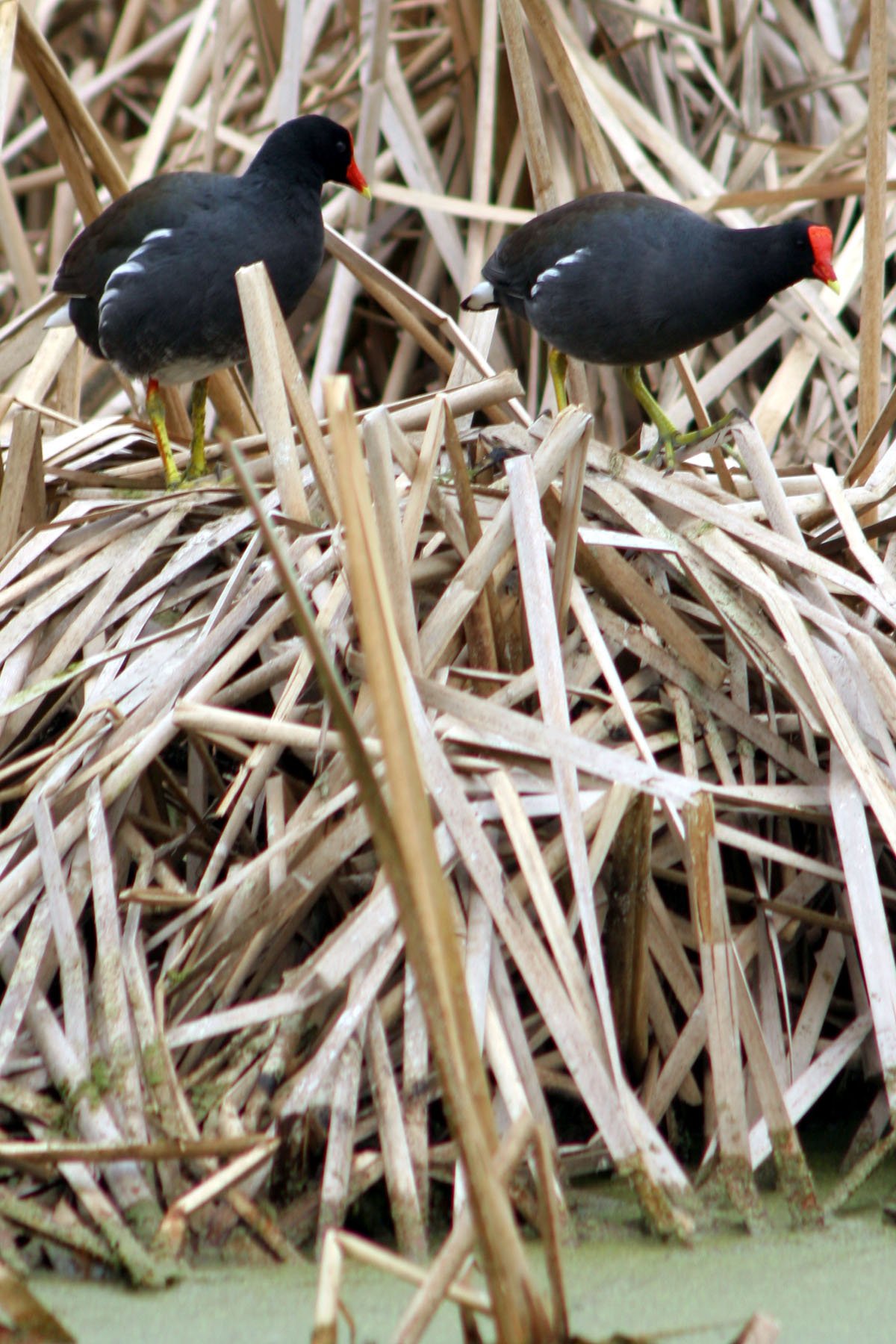
Common Moorhens on their Nesting Site

Pinckney Island is named after the Revolutionary War veteran Major General Charles Cotesworth Pinckney who purchased the island to grow cotton. The refuge was established in 1975 and consists of 4,035 acres and includes many small islands around Pinckney, the largest one. These islands support a wide variety of plant and animal life found in South Carolina. 

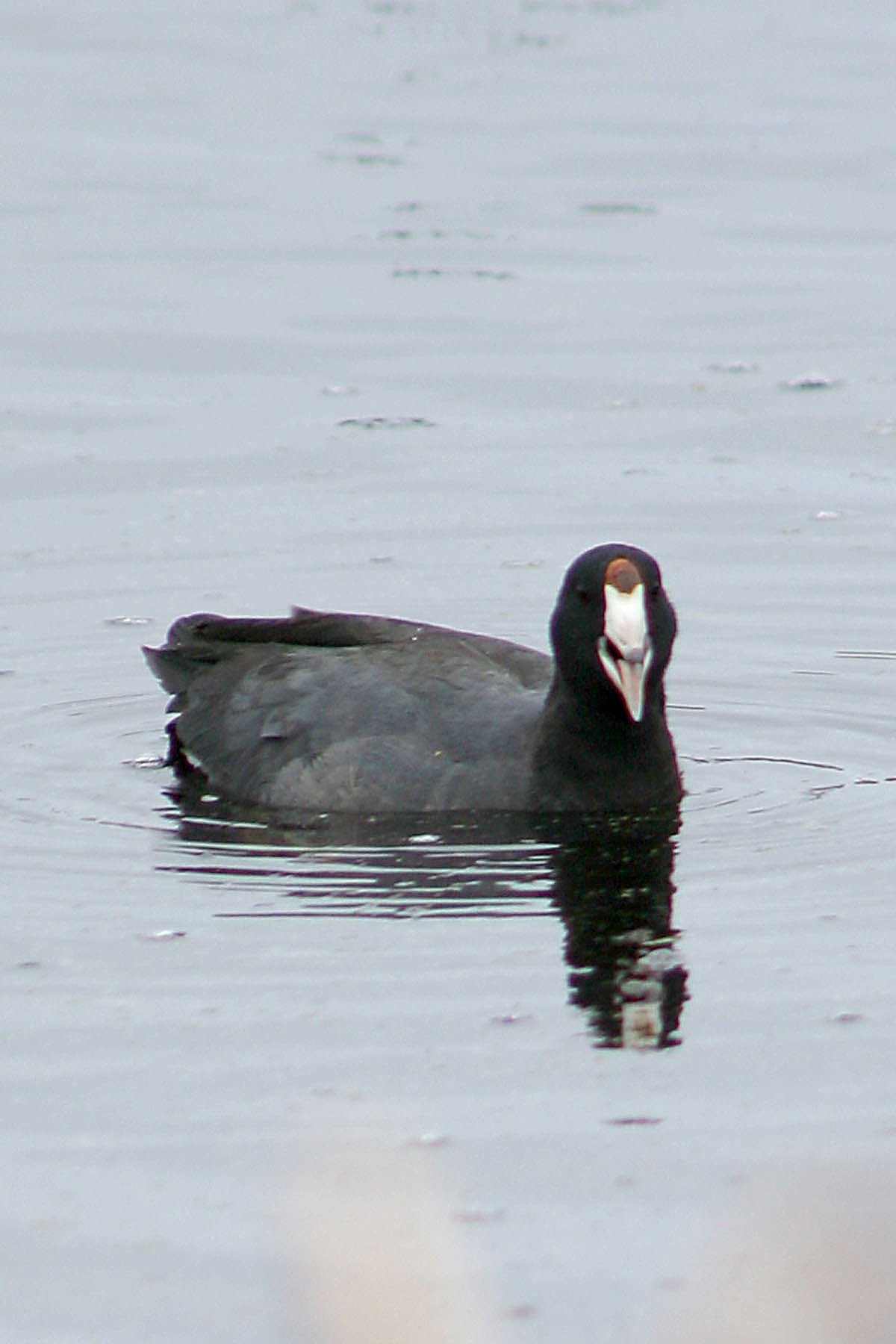
A Coot

During my visit to Pinckney, I saw plenty of moorhens and coots in the freshwater ponds on the island. I also saw three very large alligators in one pond. That’s three too many for me! White-tailed deer roam the island, but are hard to find since they generally avoid people.

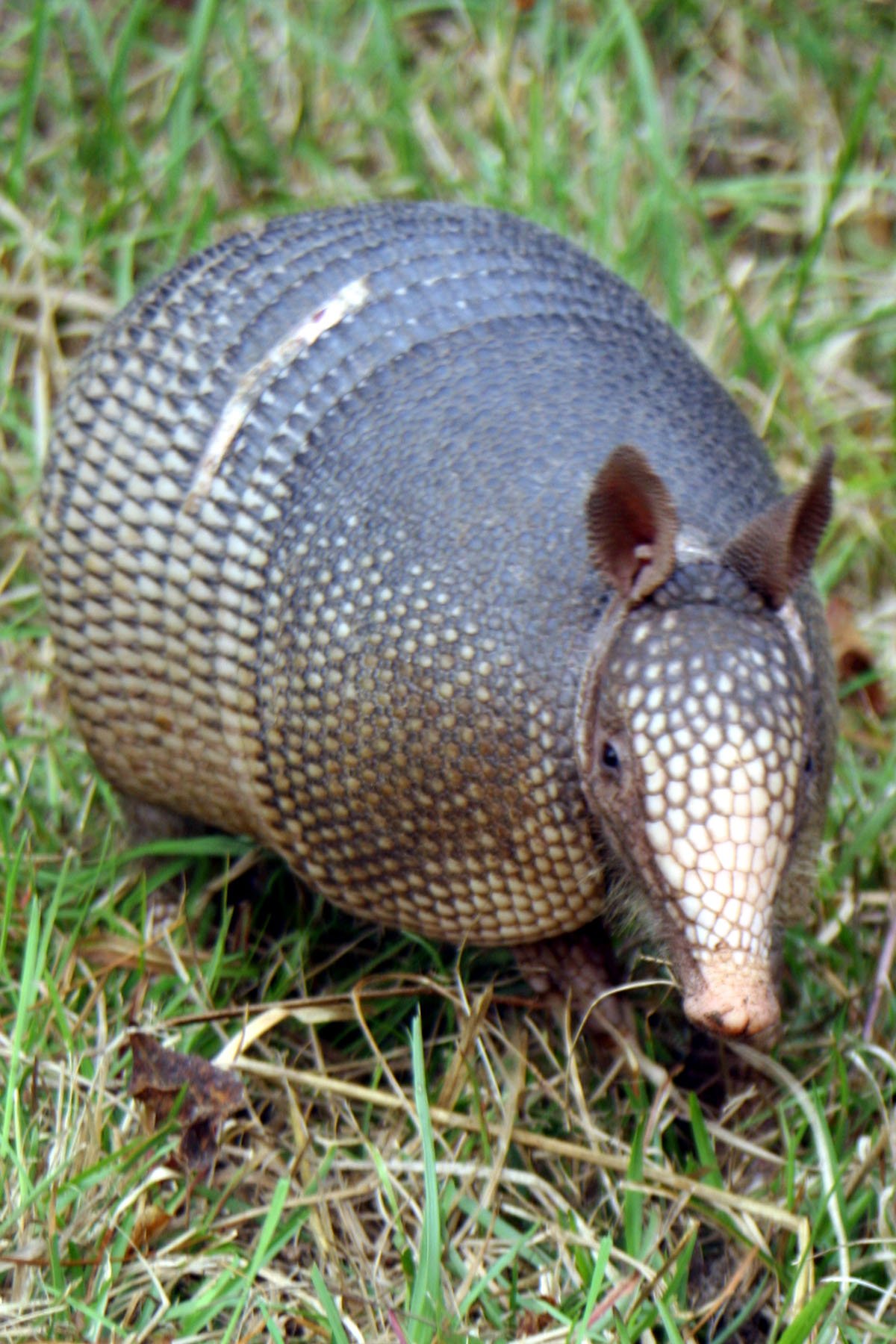
A Friendly Armadillo

But a friendly armadillo did come out of the brush to visit me. I also saw dolphins in the creek running along the eastern side of the island. There is also a historical shell mound built by Archaic Indians 4,000 years ago. Sadly, it is covered up by centuries of vegetation, but you can still walk to the spot where the mound is located. Nearby Hilton Head Island has a preserved mound you can visit and learn about the ancient people that migrated through the coast of the southern U.S.


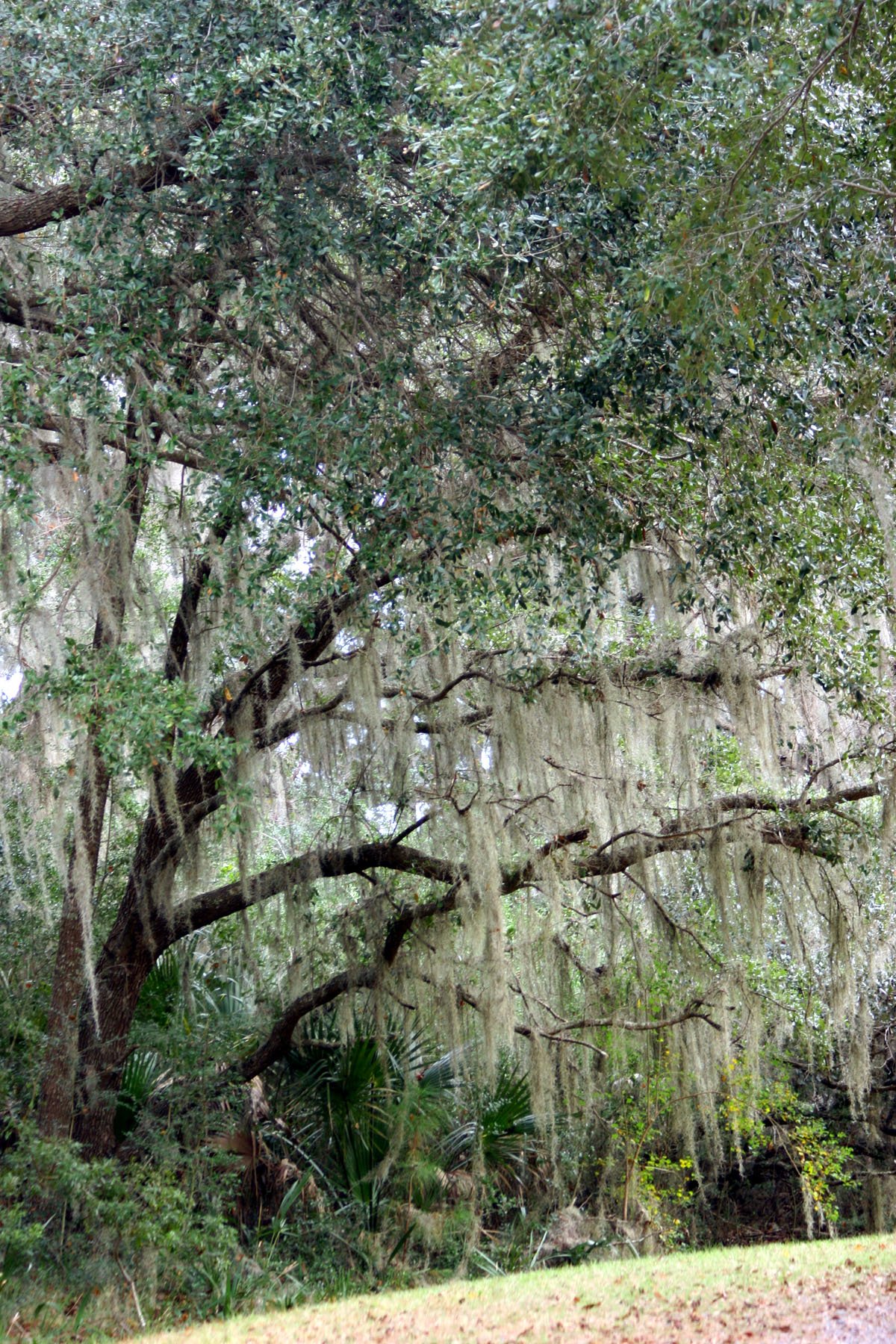
Spanish Moss on Oak Trees

The NWR near you may not have alligators or 4,000-year-old relics, but it may have something unique to where you live. Check your local maps or do a search for a wildlife refuge near you and enjoy a day outdoors with nature.

—Roi J. Tamkin is a photographer based in Atlanta, Georgia.