Category Archives: Family and Community

Scrambled Lessons

Scrambled Lessons

By Yimeng (Nicole) Wang Yu, age 17, P. R. China

I have an estranged relationship with eggs. We aren’t completely cut off from each other—we still cross paths on occasion—but our encounters are awkward, fleeting, and never quite right. At most, I’m allowed to see them once every couple of weeks, and when I do, they always insist on showing up in some strange outfit. Sometimes they’re draped in a heavy coat of soy sauce, other times they’re wrapped in a knitted avocado-green sweater of their own making, smugly nestled against toast. But bare? Never. On the rare occasions they appear unadorned, it feels less like a gift and more like a threat. My stomach churns, my throat tightens, and my face knots itself into lines I don’t consciously form. I try to be polite, because it isn’t every day I get to share a meal with eggs, but honestly—they make me deeply uncomfortable.

And yet, as repulsed as I am now, I’ve probably consumed entire dynasties of chickens in the form of eggs over the past sixteen years. I grew up in a household where protein was fuel, and eggs were regarded as the most reliable gas station. My parents, convinced that my athleticism required a steady supply of scrambled yellow, believed they were doing me a favor. So, for sixteen years, they placed eggs before me every morning. Scrambled, boiled, fried, buried in fried rice, floating in soup—eggs became the guest at all of my meals. 

For years, I wished this unwelcome visitor would finally excuse itself from my breakfasts. I told my parents that eggs made my stomach feel as if it were gnawing on itself from within. My complaints, however, were dismissed as excuses and childish exaggerations. “You’ll get used to it,” my mom would say. “It’s good for you,” my dad would add. And so I swallowed my objections along with the eggs, because, after all, parents must know best. Didn’t they always?

Until last year.

After a lifetime of groans, gags, and grimaces, my mom finally relented and scheduled a food intolerance test. We waited one long week. When the results arrived, it felt as though the SAT scores of my digestive system had been released. My mom and I huddled around the phone, tense with anticipation. Then the screen flashed with numbers, and chaos erupted. There was screaming, crying (mostly mine), leaping, refreshing the page again and again as if the result might shift if stared long enough. The report confirmed what my body had been insisting all along: I was intolerant to eggs. Not just mildly intolerant, either—I had obliterated the intolerance scale. The threshold for high sensitivity was 200. I scored 900. Four and a half times the limit. Eggs and I weren’t simply mismatched; we were sworn enemies, cosmically opposed.

In that moment, years of swallowed frustration finally poured out of me. My intuition had been right, and science had finally corroborated it. Turns out I wasn’t a dramatic complainer. At last, my mom believed me. I was vindicated.

But looking back, I realize those mornings of forced eggs were not acts of cruelty but of love—misguided, perhaps, but love nonetheless. My parents weren’t trying to torture me; they were trying to keep me healthy in the way they knew best. Only now, with hindsight, can I see how much care went into those breakfasts. At the time, I couldn’t imagine it. I just assumed that because my parents insisted, they must be right, and because I was a child, I must be wrong.

It reminds me of the way I thought about growing up in general. As a child, I carried this foreign but persistent belief that everything would improve as I got older. I thought the world itself would change with me—that kindness and fairness were waiting just beyond the next birthday. My greatest problem then was the cafeteria bully, and even that seemed temporary, destined to dissolve once we were all old enough to know better. In my imagination, adulthood was a yet-to-be-discovered place where everyone made good decisions, where people were kinder, wiser, gentler—because they were grown.

Of course, the reality was never that simple. Growing older didn’t fix the world; it merely sharpened my vision to see it more clearly. Eggs did not suddenly stop making me sick when I turned sixteen—it took years of paying attention to myself, of insisting on what I felt, before anyone else would listen. Adulthood did not sanctify those around me—it simply gave me the ability to recognize their complexity, their contradictions, and, sometimes, their well-intentioned mistakes.

In that sense, perhaps I was not entirely wrong as a child. The world did get better—not because it grew kinder, but because I learned how to navigate it. I learned to trust my body when it screamed at me. I learned that being believed is not automatic, even by those who love you most, but that persistence matters. And I learned that the very things that cause you pain can, years later, soften into strangely tender memories.

So yes, eggs and I remain estranged. I avoid them, and I live a happier life because of it. But I can’t quite bring myself to hate eggs. They’re a part of my story, a relic of mornings at the kitchen table with my parents, who—despite their misplaced faith in scrambled yolks—were only ever trying to love me in the way they knew how. And maybe that’s what growing up really is: not escaping discomfort, but learning to hold it alongside love, until the bitterness—or the grossness—tastes almost sweet.

—Yimeng (Nicole) Wang Yu is a 17-year-old junior at Shanghai American School, P.R. China. She grew up in Spain and now lives in China, and she speaks, reads, and writes in English, Chinese, Spanish, and French. When she isn’t writing, she can be found on the basketball court, blasting music through her AirPods, or noticing the small, everyday details that might inspire her next piece—sometimes all at once.


The Little Princess and the Colorful Butterflies

The Little Princess and the Colorful Butterflies

By Diponkar Chanda, Ontario, Canada

No one remembered the name of the kingdom anymore, but it did exist, a long ago!

Far, far away, nestled close to a forest, there was a tiny village, and it was the seat of this kingdom. There was a palace as well; but not like the ones in our big cities.

This palace was very different. Its walls were made of straw and clay, it had a thatched roof, and it stood gently beneath the sky, like a well-kept secret.

In this palace lived a little princess with her ancient grandmother.

One sunny morning in spring, when a sweet breeze was blowing, birds were chirping joyfully, and flowers bloomed in every corner of the yard, the little princess woke up.

She rubbed her eyes, looked out the window, and noticed something—their little walls didn’t seem as colorful as the world outside.

The trees wore fresh green dresses. The flowers in the meadows sparkled with red, yellow, pink, and purple. Even the butterflies danced in colors—too bright and too many to name them here!

Pale Swallowtail Butterfly. Photo by Herb Everett, Oregon.

Monarch Butterfly. Photo by Ted Rose, Indiana.

The princess longed to bring those colors into their home, their palace.

And she knew, like everyone else in the kingdom, that the true owners of all the colors were those beautiful butterflies.

So, the little princess wanted to catch one. But she was far too little.

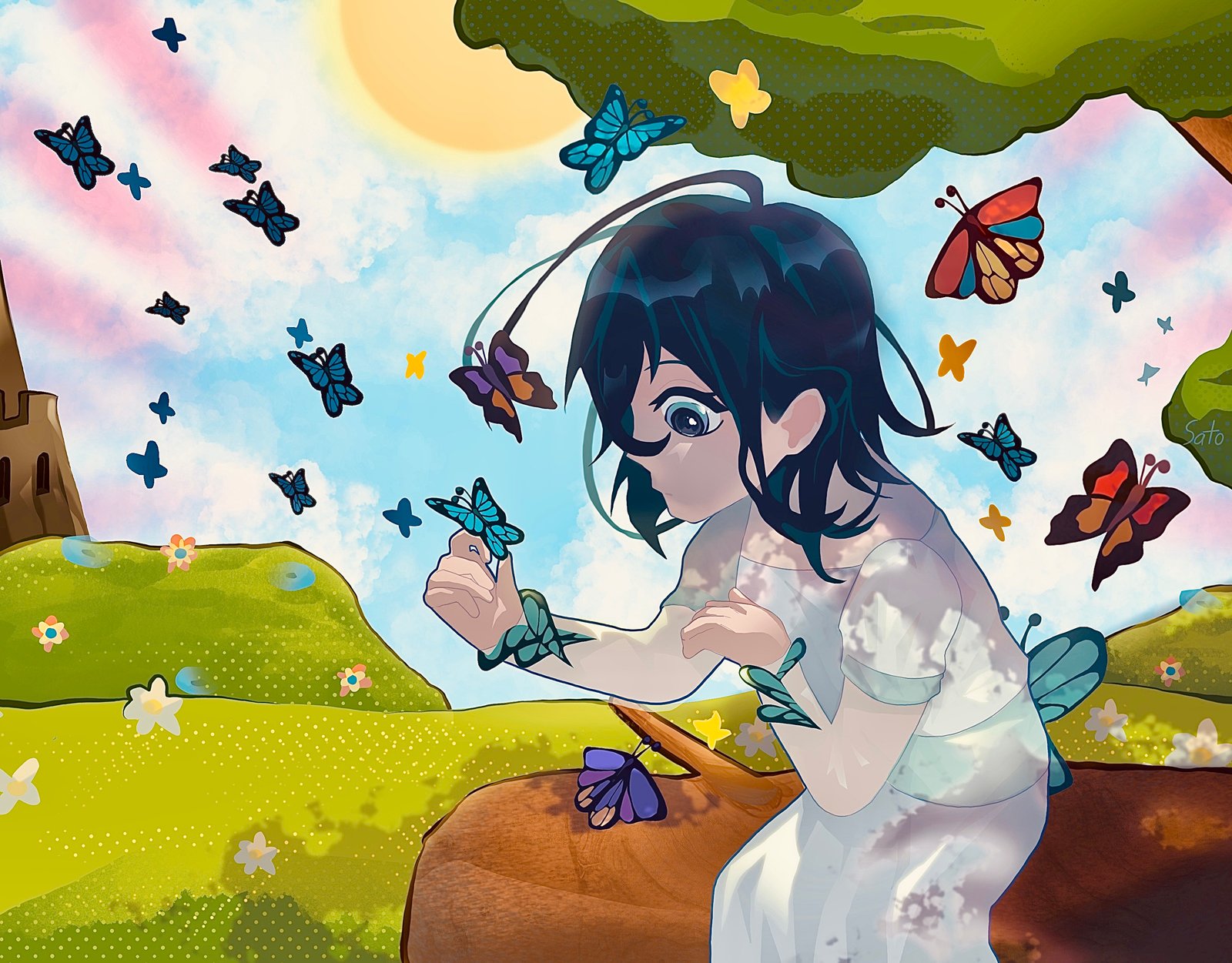
Art by Makayla Liu, age 12, Vancouver, Canada.

No one else was home, so she turned to her granny. Now, her granny was like eighty or a hundred years old, or maybe even more. Nobody really knew how old she was. She was the oldest person in the whole kingdom. And, she was certainly far too old to run after those butterflies!

What could they do?

The old woman thought for a moment. Then she searched the hut carefully—every corner, every pouch, every pot.

Finally, she found something she was searching for, a little fistful of sunflower seeds. She smiled.

Granny stepped outside into the wide, sleepy yard. With her slow, gentle feet, she planted the seeds in tidy rows and began to care for them. She watered them every day, with all the love in her heart.

Days passed. Little by little, green shoots appeared. Then leaves. Then came tall, strong stems.

And then one morning, a thousand sunflowers bloomed across the yard—each one like a small sun, shining with golden joy.

Granny didn’t need to chase butterflies anymore.

The butterflies came to them—fluttering, dancing, and painting the air with their beautiful colors.

And you know what?

They shared their colors generously. And from then, true beauty arouse on the boundless canvas of nature—born from careful sharing.

And the little palace also sparkled with butterfly colors—reds, oranges, blues, and purples that no brush could ever copy.

Not just the tiny palace, but also the little princess herself sparkled with those attractive colors.

Her smile shone with every color of the butterflies.

And from that day on, little princess learned that true beauty grows many-fold when we share it with everyone, with profound care.

Diponkar Chanda is an emerging writer based in greater Toronto area of Canada. Originally from Bangladesh, he writes stories and poetry that bridge cultures, languages, and imagination. English is not his first language, and he brings the rhythm and depth of his native Bangla (also known as the Bengali) language into his storytelling.

Art by Makayla Liu, age 12, Vancouver, Canada. She adds: “I’ve loved drawing since I was a child, and in the future I hope to work in a field related to drawing or character design.”

Stuffed

Stuffed

By Claire Chen, age 11, New Jersey.

Stuffed, stuffed, the house is stuffed
With stuffed toys that need to be thrown out
A waste of space
I am told to get rid of them!

But when I look around
Memories abound
First, the dozens of stuffed Pokemon
Evoke memories of family trips to Japan
I cradle an Eevee, a treasured prize won
With bated breath at a claw machine in Tokyo
I squeeze Lapras, the comforting pillow I hugged
On the 18-hour flight to visit family
I can almost still hear my brother’s high-pitched shrieks
During our made-up game of Pokemon Dodgeball
Can I let them go?

Next, the stuffed shaved ice from Singapore
Its name—Ice Kachang* —reminds me
Of Singlish and its foreign yet endearing sounds
English, Mandarin, Hokkien**, and Malay smashed
Into one bizarre hodgepodge
Intelligible only to insiders
Like Singlish, I am a mash
Of American and Asian
Do others understand me?

Then, a stuffed chocolate bar
A souvenir from Hershey
During my grandmother’s first and last visit
Before the chemotherapy failed
The only stuffed toy she ever bought for me
Mum says Grandma never bought her stuffed toys
But that time, she got one for me
Isn’t it a souvenir of her?

Stuffed, stuffed, my mind is stuffed
Stuffed with memories I want to keep in
Precious treasures
That only I hold in my heart

Notes:
*Kachang is the Malay word for nuts
**Hokkien is a Southern Chinese dialect

By Claire Chen, age 11, New Jersey. She adds: “My parents were born in Singapore but I was born in America. My family visits Singapore or Japan nearly every year because we have family in those countries. I speak and write both English and Mandarin, but it takes a lot of time and effort to learn Mandarin in America and I find it very difficult. My mother wanted me to learn Mandarin so I could understand her culture better. However, when we visit Singapore, they do not often speak Mandarin. They speak a version of English that they call “Singlish.” It is a mixture of several local languages, mainly Mandarin, Hokkien (a Southern Chinese dialect), Malay, and English. Singlish can be quite confusing for me—something I mention in my poem.”
“I was inspired to write this poem, titled Stuffed, because I have a lot of stuffed toys and my mum often talks about getting rid of them to reduce clutter in the house. But these items all have histories and meaning to me.”

Revenge in Rockford: A Chess Story

Revenge in Rockford: A Chess Story

By Aarav Patel, grade 9, Illinois.

I place my rook two spaces up and say, “Check.” A small grin tugs at my lips while those around me sigh in disappointment.

This was my second ever chess tournament and my first played against someone rated higher than me. My dad and I had traveled for one-and-a-half hours to a hotel in Rockford to participate in it. It was a step up from my debut tournament, with an elegant conference room, transformed into a symmetrical chess grid with dozens of rows.

My third opponent was a middle-aged man who seemed to be the type to promote to eight queens and checkmate well after he could’ve won already. Our game started with him consulting his friends in front of me on which opening to play. It was as if the game was not serious to him. He said that he hadn’t lost all day and was not going to start now. His friends laughed, but laughing was the last thing on my mind. I responded with a fake smile, as my body tensed up.

My first ever chess match was against my uncle and aunt when I was in the 2nd grade. I already knew how the pieces moved, but I knew no strategy. As you can imagine, it didn’t end well for me. When they check-mated me, I winced. I tried to figure out what I did wrong. I realized that I was looking only at what the next move would be, not two moves or even three moves ahead. I asked to play again, and this time improved by lasting a whole 10 minutes.

During the years between my first chess tournament in 2nd grade and this, my second chess tournament in 6th grade, I’d joined the school chess club. I’d also achieved a 1,000 ELO chess rating online, achieving true intermediate status. And I started traveling for competitions. Before playing my egotistical opponent, I had won both of my previous games, leading up to the final against him.

At the beginning of the match, I was down a couple of pawns. He stared across the room, as if he were longing to leave. Before the middle-game, he stood up and completely left our board to walk around and watch other matches. I regained an even position after tactically winning two pawns via a pin on his king. At that point he stopped wandering. He leaned back in his chair and rubbed his temples.

It had been a long day. I hadn’t seen the sun for hours and my body was aching from sitting in a stiff, wooden chair. His anxiety gave me the energy to continue being aggressive. After some material trading, we reached the endgame.

The endgame was the longest part of the match. By the time we reached it, nearly all the other games had finished. My opponent shook his head and let out a small sigh.

I recall watching the French Open earlier this year between Carlos Alcaraz and Jannik Sinner. Sinner dominated the competition for hours. He was the world number #1 and Alcaraz came up against multiple championship points. Yet Alcaraz kept coming back. At the end of the grueling five-hour saga, Alcaraz won. How Alcaraz didn’t let the intimidation or the pressure of millions of people get to him was impressive.

I saw him advance his pawn, and I thought back to the game against my uncle and aunt. What could they see that I couldn’t? But this time I saw. I sacrificed my rook to check and move his king into a fatal position. His friends, who had told him which opening to play, surrounded the board. Mouths agape, they stared at it like my friend Austin stares at a quadratic equation. The end was near.

My opponent knew what was going on. He played his next move in disbelief. He leaned into the board, letting the shock seep in. And then, I moved my queen…Checkmate.

By Aarav Patel. He adds: “I am a 9th grader from Illinois. I am Indian-American, and I mainly speak and write in English. I wrote this piece to show how chess has impacted me and shaped my way of thinking. Specifically, it taught me how to stay determined and focused, even when the pressure is on.”

No Phone, No Problem

No Phone, No Problem

By Nasiruddin Hamid, Qadian, Punjab, India.

We all love playing video games, watching funny shorts, and making movies on our smartphones. However, some of us use the cellphones much more than others.

I live in Northern India with my family. After school, my father gives me his cellphone for ten minutes to play games and enjoy SnapChat and YouTube, etc. When those ten minutes turn into 20 or 30 minutes, and then into an hour, I don’t even realize it—but my father does.

Last year, I started avoiding playing outdoors and spending time with my friends. I was using the phone more and more without telling my parents. But my parents never stopped keeping an eye on me.

One day, my father told me when he was a kid, he used to play many outdoor games like Pakadam Pakdai, Baraf Pani, Pitthu Gram, and Addi (see the end note below for a short explanation of these games children play in India). He said, “We didn’t have phones, but we’d read comics and novels in Urdu and English for our pasttime.”

Thinking of those outdoor games and thoughts of reading comics and novels really got me interested. So I made a deal with my dad that he and I would play outside and read books together. He bought me a new bicycle, and now I go riding; he runs beside me while I ride my bicycle, which is quite fun! He also bought me new comics and a few novels, and he reads them with me.

I really like reading the tales of Akbar and Birbal, as well as the stories of Mullah Nasruddin. They are full of humor and wisdom. I must say, I find reading books or riding a bicycle outdoors much more interesting than playing video games or watching YouTube shorts.

Yes, I know cellphones have their own benefits, but as my father says, “They are more useful after a certain age.” We should limit our phone usage. I have read that too much smartphone use can damage our brain cells, affect eyesight, and even our emotional health.

I believe my parents when they tell me that there can be many unforeseen negative impacts of these devices. I always trust them with any issues that come up.

As school age kids, we should use cellphones only for short duration, and under parental supervision and guidance.

By Nasiruddin Hamid, Qadian, Punjab, India.

Notes:

Akbar and Birbal Stories: Akbar was a Mughal emperor who ruled a large region in South Asia that includes modern-day Northern and Central India, Afghanistan, and Pakistan during the 16th century. Birbal was a close advisor and wise minister in the court of Akbar for some 30 years. The Akbar and Birbal stories are not only entertaining but also witty and are widely-read favorites of Indian kids.

Mullah Nasruddin (aka Nasreddin Hodja) appears in countless stories—mostly witty or wise—where he is shown as a (holy) fool that teaches great wisdom to the world. He is considered a Sufi (Islamic) character and he may have actually lived in the 13th century in present day Turkey and may have traveled to many lands as his stories are widely known.

A Short Explanation of the Games:

Pakdam Pakdai: Run and catch game One kid tries to catch others who try to run away.
Baraf Pani: When caught, you freeze like “Baraf” (Hindi word for ice) until someone frees you by saying “Pani” (Hindi word for water)
Pitthu Gram: Players break a stack of seven stones with a ball and then try to rebuild it before getting tagged by the fielders.
Addi: is played with two teams of 5/5 players. One team starts in a circle and tries to reach the end of the field line while the other team chases and blocks the players from reaching it.


Fighting Antisemitism , Fighting Injustice

Fighting Antisemitism, Fighting Injustice

By Donna Nevel, Florida

When I think about how to end antisemitism, I feel grounded in principles I learned from my parents. They taught me to be proud of who I was as a Jewish person but never to think I was better than any other person, group, or community. They showed me by example that caring about antisemitism meant caring about anti-Black racism and all forms of injustice. They lived by these principles always, which inspired my love of being Jewish as well as my desire to participate in movements challenging injustice and for collective liberation.

Antisemitism is generally understood as discrimination against Jews, violence against Jews, or targeting Jews simply because they are Jewish. Sometimes antisemitism is expressed through stereotypes and generalizations about Jews.

Jews come from many different experiences and histories. There are white Jews, Jews of color, and Jews from different parts of the world (my family migrated to the United States from Eastern Europe). Antisemitism does not always look the same for each of these communities and groups; there are differences based on geographies, class and race, intersections with other political identities, and more. 

Some examples of antisemitic violence in recent years in the US include the 2018 massacre of eleven congregants at the Tree of Life Synagogue in Pittsburgh; Jewish cemeteries being destroyed; and people who are visibly Jewish (wearing a skull cap or another Jewish symbol, for example) being attacked.  

The most well-known example of antisemitic violence is the Nazi murder of six million Jews (the Holocaust). In 1933, there were nine million Jews in Europe. By 1945, the Nazis had exterminated approximately two thirds of European Jewry in death camps and through mass murders. The Nazis also targeted and murdered other groups and communities on a racial and political basis, including Roma, Poles, and other Slavic peoples, queer people, those with disabilities, Jehovah’s Witnesses, and communists and members of political opposition groups.

Today, white nationalist violence–which, in many different, harmful ways, targets and denigrates Black people and other communities of color, trans and queer people, immigrants, Muslims, and Jews—is increasingly on the rise in many spheres of our society. White nationalist tactics include the use of conspiracy theories, among other manifestations. Antisemitic conspiracy theories promote notions of Jewish power and control and of Jews as untrustworthy and sinister. 

Ending antisemitism also means understanding what is not antisemitism. False accusations of antisemitism are too often directed at those who criticize the State of Israel and its treatment of the Palestinian population. It is important to know that Palestinians had been living in Palestine for centuries before Israel was established. In that process, 750,000 Palestinians were expelled or dispossessed from their lands and homes. (See more on Israel’s establishment/Zionism and the Nakba in note below.)

Antisemitism is directed at Jews as Jews. Criticism of Israel and/or its ideology is directed at a nation-state. Criticisms of Israel’s ongoing violence against the Palestinian people and the expulsion of Palestinians from their land and homes reflect a commitment to human rights and equal rights—and to what is just. Palestinians, Jews (such as members of Jewish Voice for Peace), and many others are committed to those principles. That is the furthest thing from antisemitism, and it is deeply harmful to suggest otherwise. 

So, how can we participate in ending antisemitism? Antisemitism has its own distinct characteristics—as do other types of discrimination—and is also connected to other forms of racism and injustice that different communities experience. Therefore, thinking about ending antisemitism also means thinking about how to end all types of injustice. We know that fighting injustice against one group while being silent or supporting it against another group will bring justice for no one.

This is what it means to have a commitment to collective liberation—the belief that we all are entitled to live lives with justice and dignity. Collective liberation also means that we have each other’s backs and can count on one another to speak out when anyone or any group faces an injustice.

People of all ages can participate and take action in different ways although we know it is much harder in these repressive times. For students, that might include holding educational workshops (maybe at a community space or in a friend’s home) on pressing topics of interest or encouraging your schools to open up spaces for participation in social justice actions and discussion of issues of social concern (including the ways that false accusations of antisemitism have been used to shut down student protests in support of Palestine).

Throughout history and until now, Jewish people have been part of many movements devoted to their own safety and the safety of all people. Jews have joined together with others who care about the well-being of all our communities to fight against any form of racism and discrimination. For example, Jewish civil rights activists and labor activists joined together with all those committed to civil and human rights and economic justice. The fight against antisemitism is part of that larger struggle for justice.

A Note on Israel’s establishment/Zionism and the Nakba:
Zionism is the primary ideology that drove the establishment of a Jewish-majority nation-state in the land of historic Palestine. As nationalism rose in Europe in the late 19th Century and as antisemitism intensified, Jews responded in a number of different ways. Some Jews, notably Theodor Herzl, considered the father of modern Zionism, thought the solution to antisemitism was Zionism: the establishment of a nation state for Jews in Palestine. During the years leading to 1948, as part of the Zionist movement’s process of colonizing Palestine and establishing Israel, 750,000 Indigenous Palestinians living in Palestine were expelled from their land and homes.  The “Palestinian Nakba (“Catastrophe” in Arabic) refers to the expulsion of over 750,000 Palestinians during the establishment of Israel as a Jewish majority country on land that had a two-thirds majority Palestinian Arab population. The Nakba is present-tense; the displacement of Palestinians and the destruction of Palestinian life has been ongoing for over a century.”    —www.project48.com 

Donna Nevel, a community psychologist and educator, is co-director, with Nina Mehta, of PARCEO, a resource and education center that partners with community groups and institutions seeking to deepen their organizing and educational work for justice. PARCEO has co-created and facilitates workshops on Antisemitism from a framework of collective liberation, from which this piece is drawn.

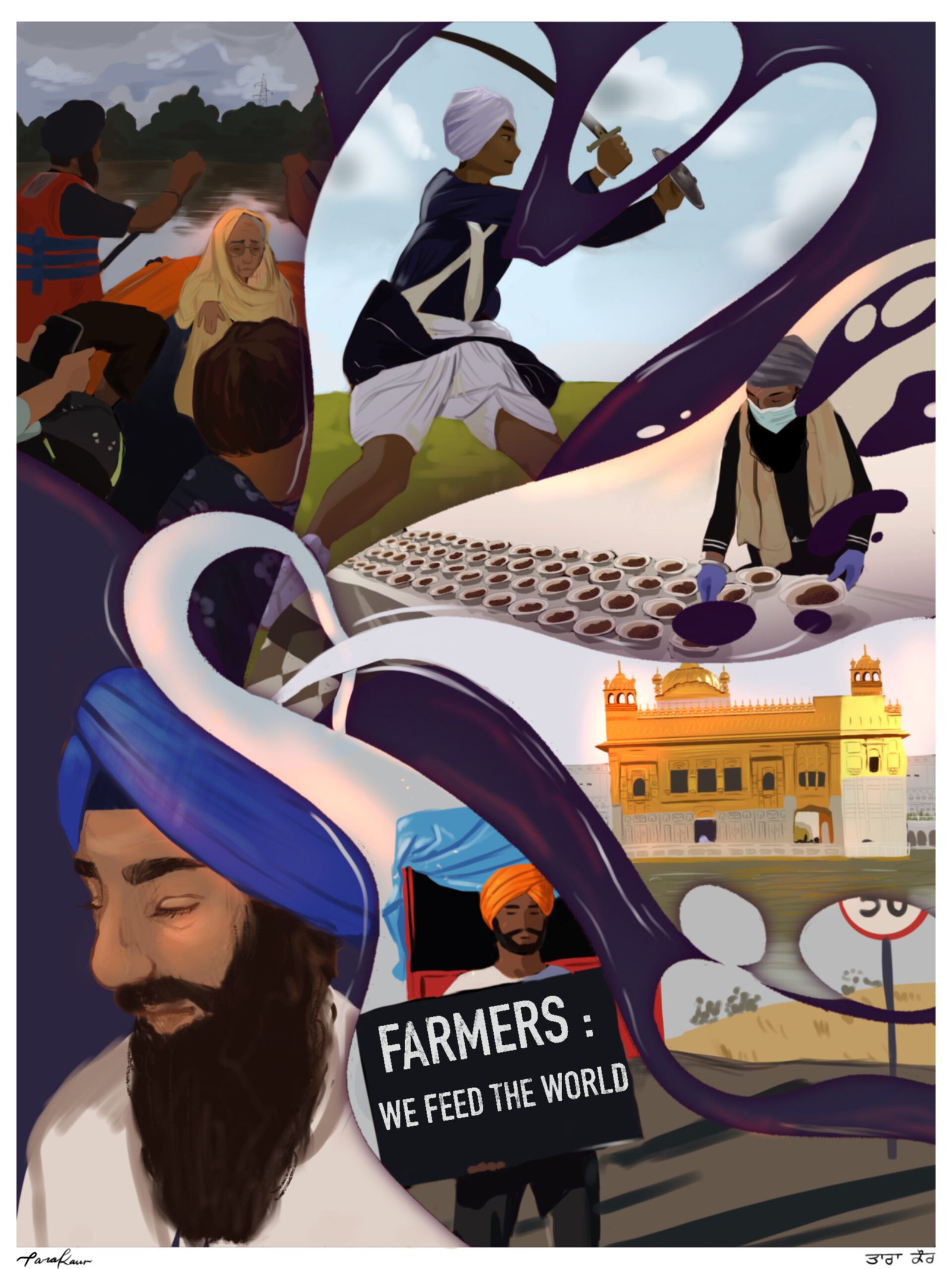
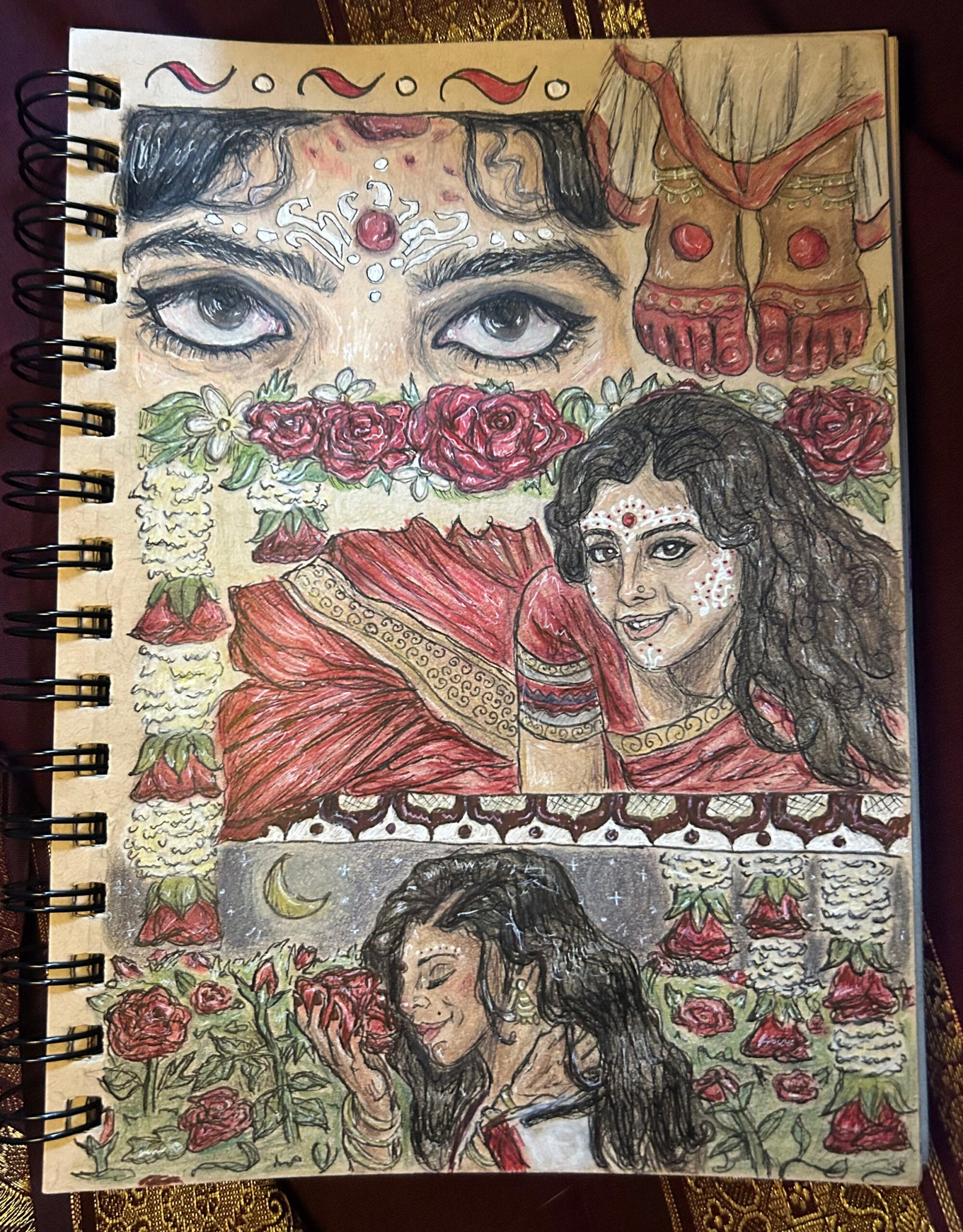
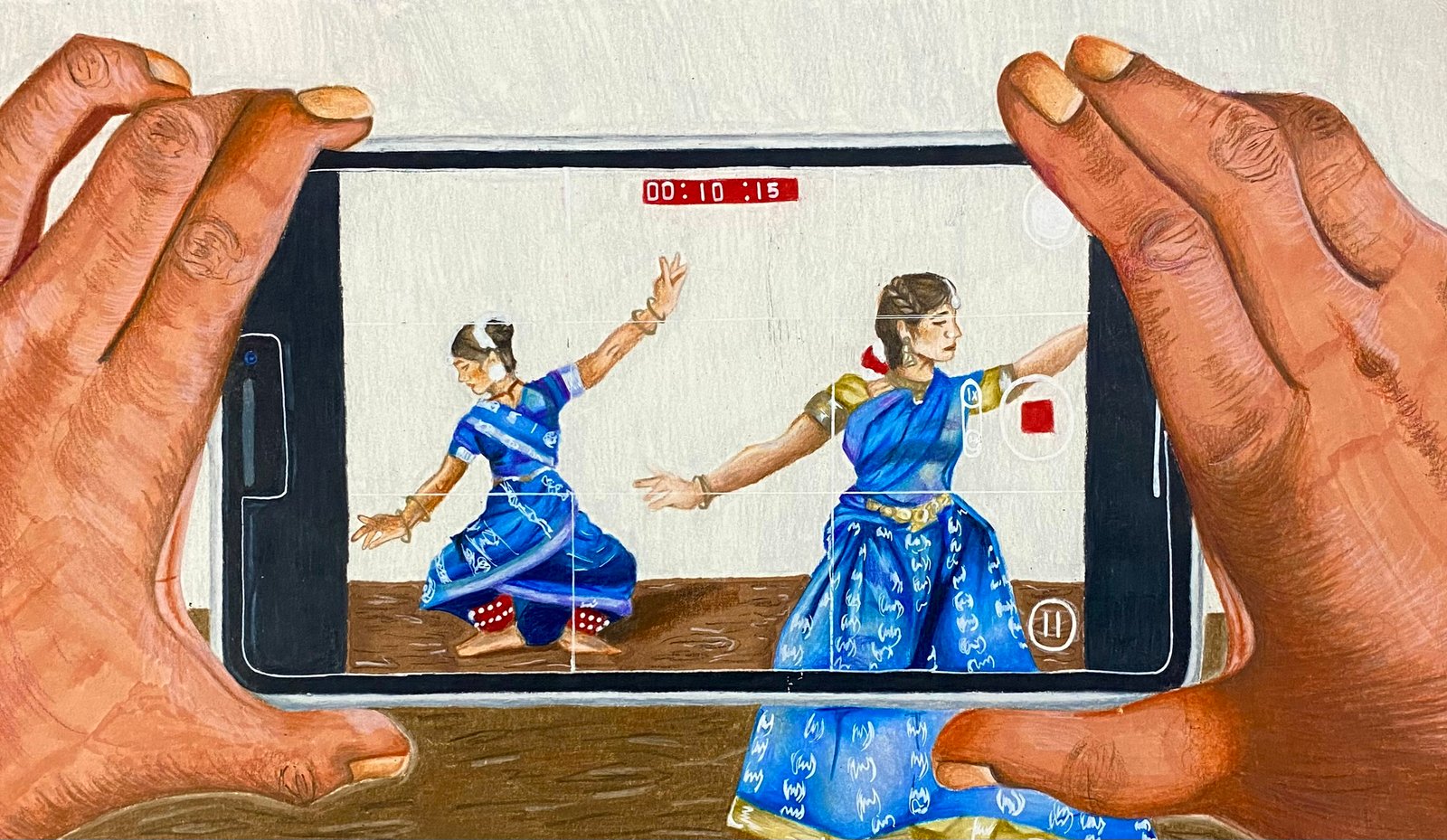
2025 Civil Rights Art Contest Winners

Hindus for Human Rights Has Announced the

2025 Civil Rights Art Contest Winners!

HIGH SCHOOL DIVISION (Grades 9–12)

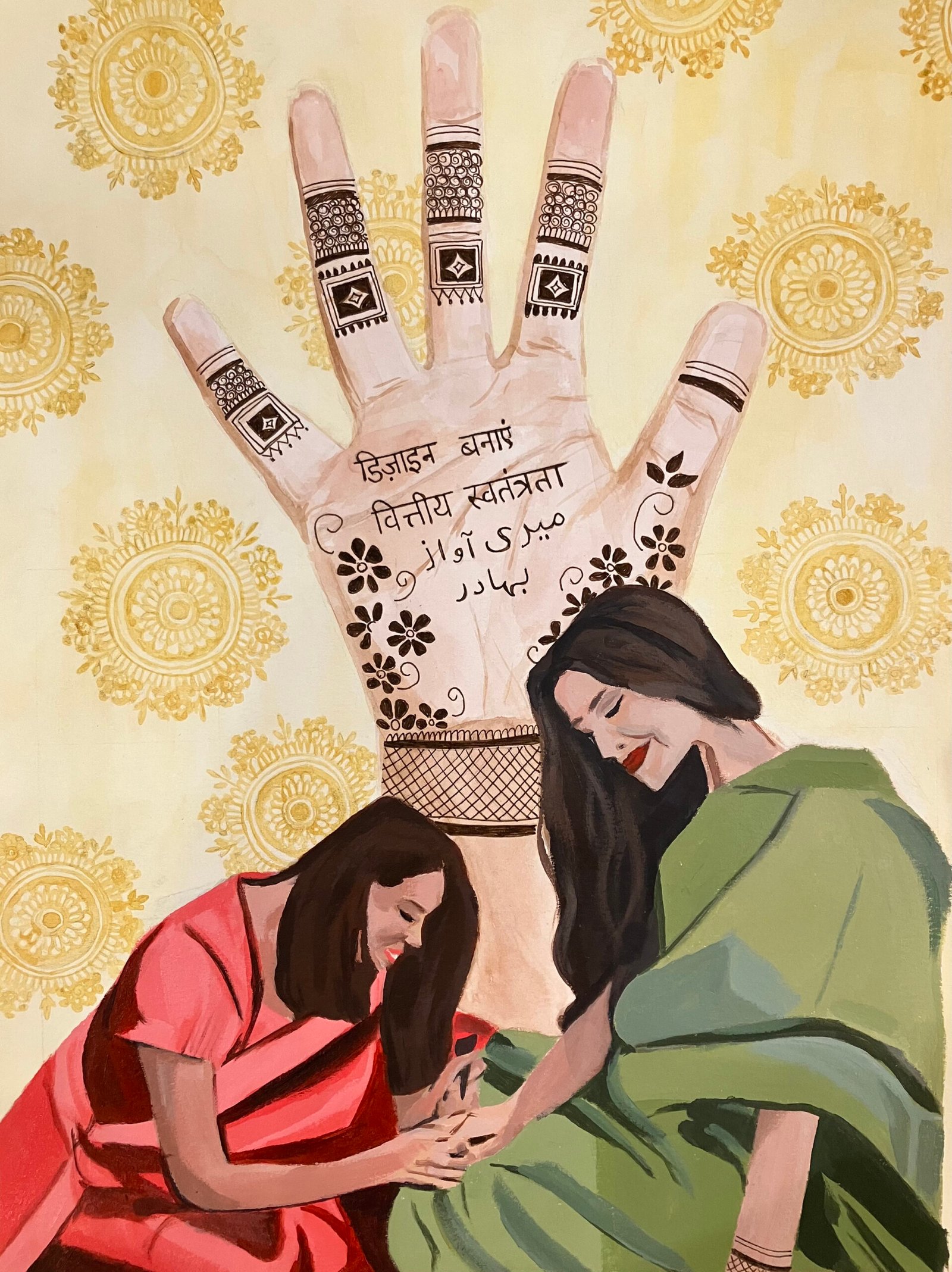
Contest Theme: For centuries, people in South Asia have used art—like folk paintings, music, and dance—to speak out against injustice. These art forms have helped communities resist colonial rule, caste discrimination, gender inequality, and government oppression. How do you see that same spirit alive today?

First Place Winner: 

 “Chardi Kala: Resilience in Action” by Tara Kodial, grade 12, New York.

2nd Place Joint Winners: 

“Roses and Thorns: A Bengali Woman’s Journey in Film” by Grace Saji, gr. 12, California.

“Dance Captured Through a Screen” by Eshita Lahiry, grade 12, Louisiana.

3rd Place Joint Winners:

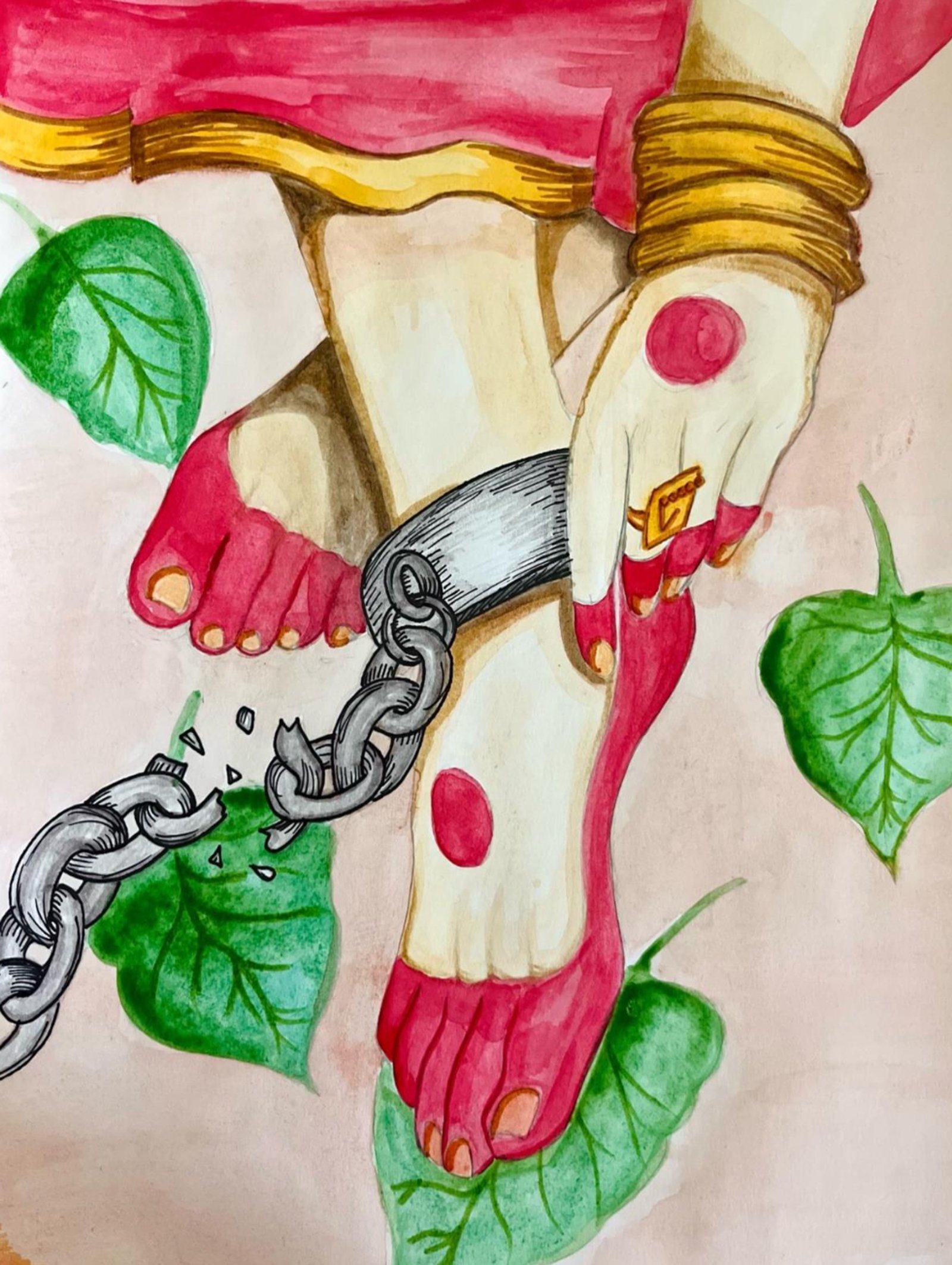
“Dancer Breaking Free” by Aditi Karthik, grade 9, Georgia.

“Financial Freedom Teachings through Mehendi” by Zainab Habeeb, gr. 12, California.

Boy in the Back

By Michael Steel, age 14, grade 9, B.C., Canada

I was always the boy in the back
Letting time slip through my fingers
Watching the cluster and the chatter
Watching and never doing

A silent ghost, never real and never seen
Floating in the cosmos behind my eyes
Breathing in the synthetic suns
And polyester skies
Starry moons of the finest gleaming plastic
Twenty years in the blink of an eye

I saw the other side of the world
From the back of our classroom
The clay people danced before my eyes
Only I could see them move

Watching the constellations of LEDs
Soar brightly over my head
The things I never saw,
But I always believed

I was the boy in the back
Living a thousand ceramic lives
In a thousand spun-glass galaxies
But I was never here at home

—Michael Steel, age 14, is a high school student and published author currently living in Vancouver, British Columbia. He lives with his parents, brothers and ridiculously fluffy cat, Taco. His hobbies include creating arts, reading, writing, and playing Block Blast.

Taking Care of North Dakota

Taking Care of North Dakota

By Yusuf Dean, 13, North Dakota.

Moving to Harvey, North Dakota felt…different.

I was so used to the bustling streets of Orlando and the nearly constant sound of cars, that in North Dakota everything seemed peaceful and quiet by contrast. Rolling hills for miles around, and only the sound of your car on the highway. Now, Having lived here for almost seven years, I can say that the peaceful and pristine image of North Dakota was nothing but a facade.

The majority of the middle and high school boys here always talk about their big, gas-guzzling trucks, diesel combines, and other farm equipment. They also talk about semis (tractor-trailers) and whether Peterbilt or Volvo is better. My preference for smaller and more fuel-efficient vehicles amuses them.

During recess, a big, loud pickup might rumble by, belching black exhaust, and one of my friends will say, “How’s that smoke treatin’ ya?” It annoys me because, well, they’re just trying to provoke me. Plus, most of the people in my community are totally fine with high fuel emissions and polluting the environment, and they dismiss the fact that these things are contributing to climate change as untrue and silly. I’m pretty good at putting on a neutral mask, but really, when they make comments like this, I’m fuming inside.

One time, my friend Bentley and I were going on a bike ride, so I told him to meet me at my dad’s house. When I met him in our driveway, the garage door was open. Bentley saw my dad’s Mazda CX-90 and said, “That’s a nice looking car!”

“Thanks,” I said.

“Is it an EV?”

“Um…”

“Hybrid?”

“Yeah, it’s a hybrid.”

Bentley rolled his eyes. “Bruh.”

“What?”

“I like it and don’t like it at the same time.”

I instantly knew why. Any car that used any amount of electricity to move was definitely not his type.

“Come on, Bentley,” I said.

“What? It’s a freaking hybrid. No one likes those.”

I clenched my fists. I absolutely hate when someone makes a blanket statement or speaks in absolutes when they’re expressing an opinion that might not be as popular outside of Harvey. “Maybe not anyone here, but I’ve seen countless hybrids and even fully electric cars in places other than NORTH DAKOTA!!!”

In the U.S., the deaths of around 200,000 people each year are linked to poor air quality. If people don’t put in an effort to reduce their carbon footprint, our health and our climate will suffer. Many people in North Dakota think that their gas-guzzling vehicles are better and that EVs are just piles of junk metal with batteries in them that pollute the environment. What they don’t see is that humanity as a whole has to work together to change our transportation system and energy production system; they think that the idea of one’s personal choices helping fight climate change is futile. They are, in part, correct, but not for the reasons they think they are.

The greatest damage being done is not by individuals, but by huge fossil fuel companies, one of them being an oil company based right here in North Dakota. Marathon, the world’s 22nd-largest oil producer (based on 2022 data), is the seventh-largest emitter of greenhouse gas emissions in the oil and gas industry. This means that they are emitting way more greenhouse gases than they should be. Owing to Marathon’s carelessness, Fort Berthold Reservation, right here in North Dakota, has seen several crude oil spills due to broken pipelines that pollute the air and water, and flaming does not completely eliminate the harmful gas emissions produced by the oil.[1] North Dakotans are perfectly capable of showing empathy to their community, so they should not be okay with this.

In fifth grade, Bentley was my best friend. We’d hang out together, go to the pool together, but most importantly, he played a huge role in helping me through my parents’ divorce. He is one of the few kids in my class whose biological parents were separated. He empathized with me and gave me a few tips on what to do in certain situations, like when my parents were fighting, but most of the time, he was just there for me.

Following the pandemic, it was my first year of in-person school since second grade, and I didn’t have any friends. My parents were almost always arguing, and of course, I couldn’t talk to my brother—he was just four! One morning, my dad had shouted at me for forgetting to wash my face, which really hurt my feelings. I knew I’d have to bottle it all up before I got to school because I didn’t want to attract too much attention.

When I got to school, I took a deep breath and went inside to see a large curtain in the corner of the commons area where the seventh-grade boys liked to hang out before class started. I went behind the curtain and there was Bentley; I sat down, put my head in my knees, and started to cry.

“Yusuf, are you okay, bro?” Bentley asked.

“I’m fine.” I said, tears rolling down my face.

“Did your dad say something?”

“Bentley, it’s fine!” I said.

“I’m texting your mom,” he said as he opened his messages app.

I perked up, wiped my face with my sleeve and swiped at his phone, knocking it out of his hand. I put my head in between my knees again and my breath quickened.

He embraced my curled body in a hug, my heartbeat slowed, and the tears on my face began to dry.

We are humans, and we should always help our fellow humans in their time of need. If people here in North Dakota—good people like Bentley—took pride in a cleaner environment and the strength to take on a huge company like Marathon Oil, not only would people on the Fort Berthold Reservation be safer, but we could be proud that North Dakota is a state that takes care of its own.

By Yusuf Dean, age 13, North Dakota. He adds: “I live in the U.S. with my brother and my two Sri Lankan immigrant parents. I don’t speak Sinhalese, but I speak a bit of Spanish as my second language. I value curiosity, especially in children, because it is, in my opinion, the driving force behind learning and ultimately being successful in life. When I moved to North Dakota from Florida seven years ago, I found that while it was very different from the city life I was used to, there were some similarities. My essay is a reflection on one of the sources of tension I’ve encountered in my North Dakota community.”

[1]  Marathon Oil and EPA reach $241 million settlement over Clean Air Act violations in North Dakota | PBS News


A New Chapter of My Life

A New Chapter of My Life

By Angela Xue, age 10, Florida.

Another box. Then another. My black hair, usually silky, was sticky with sweat as I packed up all of my earthly belongings.

“Ming, get ready.” Under my mom’s authoritative voice, a note of trepidation quivered. “We’re about to go to the airport.”

“Ok, fine,” I replied, as reluctantly as I could.

I had lived in the buzzing streets of Shanghai for my whole life. I haven’t taken one step out of the comfort of my country. Now, all the sudden, my parents had decided to move to America, where my dad could find a better job. I’d have to leave all my friends, teachers, and even my tennis coach, who taught me how to swing a racquet before I could write my name. So, as you can see, I absolutely do not want to move to America. But, according to my parents, “Ni zhang da yao sheng huo hao, shiao shi hou yao mian dui tong ku.” That basically translates to, “If you want to live a good life when you are older, then you have to suffer when you are young.” They also said something vague about staying true to yourself and your dreams even when moving to another country—which I never really understood. My dream had always just been to enjoy my life in China.

“Are you ready?” my mom called.

“Yes, just one more thing to pack,” I replied, my heart racing like an F1 driver. I carefully placed my last precious item, a picture of my family and me, into the final box.

Then, I hurried down the stairs. With a heavy heart and dragging feet, I slowly made my way to the door. I tried to savor that short amount of time, but just knew it was going to make me more devastated. I briskly walked into a bluish, gray car with shiny windows. The driver was my Dad’s best friend, Uncle Tong. Yet another friend we would lose when we move to America. The car was about to burst with our luggage—we all held our breath to see if everything would fit until the trunk finally slammed shut over the last suitcase. The driver began to turn the key to start the car and stop my heart, my breath, and everything about my life for all twelve years of it so far. I took one long, regretful look at our apartment as we began to drive away, the engine humming, into my new life.

It’s not an exaggeration when I say the airport was extremely packed when we got there—it buzzed with more people than even the densest street of the crowded city I was born in. The hustle and bustle made me feel like part of a huge ant colony. Just as we made it through the final security checkpoint, an announcer called through the speakers: “Passengers of Flight 224, we will start boarding the plane soon for Miami, Florida.”

After endless hours of being trapped in the sweaty plastic chair along with all the other airplane passengers, finally, that same voice jerked me to attention from the stupor I’d fallen into. “Attention all passengers, please gather your belongings, we are approaching our destination.” We were here, in the dreadful place I had only imagined months before.

I peered out the window. America sure looked less crowded than home, but it was nothing like my home halfway across the globe. People started to file themselves out of the plane, and we followed. When we got to the airport terminal, my dad decided we would sit down and eat lunch. I expected soup dumplings, noodles or roast duck, but instead there were hamburgers and french fries. When I tried the bun, my taste buds were left disappointed by the lack of flavor. As I bit into an over-salted fry, this time, I also bit back tears.

A week later…

My stomach wasn’t just doing cartwheels now: it was double backflips, and handstands. I walked into the front doors of my new school. Everything seemed foreign. The school was a big cement building with newly polished windows, unlike the tinted windows in my old school. Kids turned around to look at me. They started magnetizing into groups and whispering. Suddenly, I was in the middle of the hallway while clusters of other kids gathered on the sides. I caught some people saying, “Who is she?” and, “ Is she a new kid?” I blushed. Then, a strange noise rang out and everybody started walking to different rooms.

Nervously, I cast around for someone to ask. I spotted another kid, who had almond-colored hair and blue eyes, similarly to many of my classmates. What she didn’t seem to have, and which set her apart, was friends. My throat dry, I whispered, “Why’s everybody leaving?”

The girl looked over at me. “They are going to their classes.”

What did that mean? I gave her an inquisitive look. She somehow understood that I was not American and I didn’t speak much English. Then, she all of a sudden said hi in Chinese.

“Ni hao ma?” She could speak Chinese?

At my astounded expression, she added, “Wozai xue Zhongwen.” I am learning Chinese.

I don’t know what triggered me to do this, but I started a full-blown conversation filled with laughs and smiles. We smiled at each other and went to our rooms. There! I had found my first friend. Already! Maybe this wasn’t that bad after all.

The rest of the day flew by. Amelia talked and laughed with me and we had a lot of fun. As we walked home together, I felt a warm feeling spread over me. This was the beginning of a new adventure.

By Angela Xue, age 10, Florida. She writes, “Both of my parents are from China and so are my grandparents. I was born in the US. I regularly visit China to see my grandparents every year. I am fascinated by the cultural difference between the two countries. I imagine instead of being born here in the US, if I were born in China, how my life would be different. I sometimes dream about this. In school, I visualize and put myself in the shoes of students who came from China. Their life and perspective must be very different from mine. This multiple culture comparison fascinates me and drives me to write this story about Ming.”