Category Archives: Family and Community

Intoxicated: My Life with Social Media

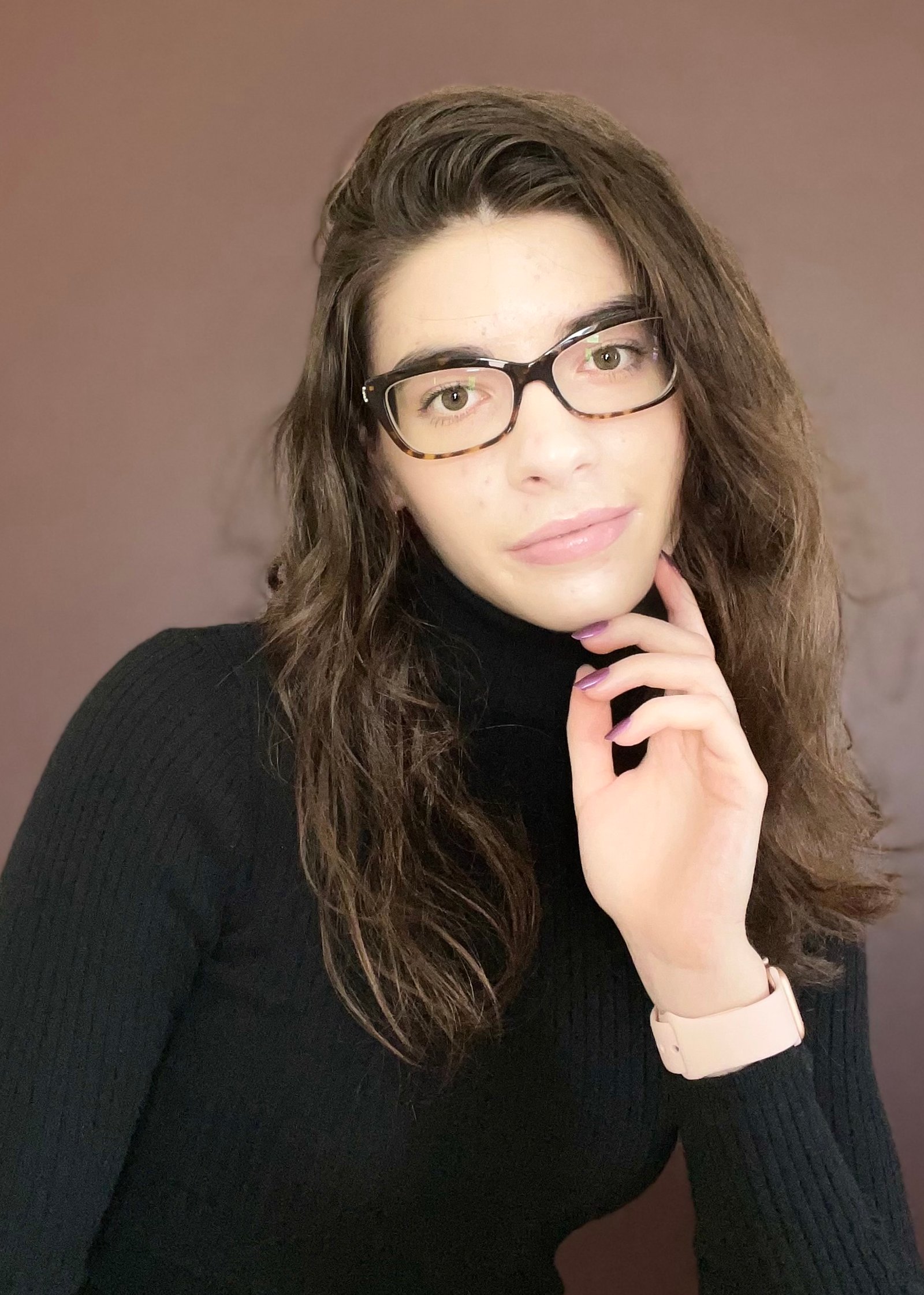
By Isaac Choi, 16, Oregon.

As one critic of social media observed, “There are only two industries that call their customersusers‘: illegal drugs and software,” said Edward Tufte, a computer scientist in The Social Dilemma. According to a 2018 Pew Research Center survey of 750 teens, 97 percent used social media and 45 percent were addicted to it. I was one of those teens. I first tasted the social media world on my 12th birthday. I had nagged my mother for months, and now it was in my grasp. I quickly became absorbed by the features and abilities that social media possessed. In my first few days, social media consumed my mind. I thought about it during school, at dinner, and even in my sleep. Its presence stalked me like a tiger in a forest and lingered like a ghost at night. I fell into an abyss of likes, followers, and posts. From the moment my eyes landed on the scrolling screen, a habit instantly formed, beginning the intoxication of my mind.

About a year after developing my profile, I developed a daily routine. After school, I would seize my phone to browse social media apps. It was supposed to be a positive way to connect to the outside world and join the online community. But that was not the case. Instead, I became obsessed with how many followers and likes I had. It separated me from reality and presented me with a false identity. I had become a salesman and an addict; I thought of ways to appeal to people to follow me, just as a CEO would handle marketing. For example, if I took photos from my chin up, my insights showed deflation in followers, whereas if I took pictures from a head to heel angle, I would experience inflation. I would try to recreate the bios and profile pictures they had. It made me feel invincible, numbing my mind with ecstasy. This kid who never touched social media before was now living the high life.

By the end of next year, I was a living disaster. I was consumed by social media. Instead of spending time with family on holidays, I sneaked into my account, and I scrolled through posts, instead of completing schoolwork. Consequently, my life was full of procrastination and constant fights with my family. I was stressed by the pressure of trying to support my “perfect” reality online. But thankfully, this cycle came to a sudden halt. 

 It was around seven or eight p.m. on a Saturday when my mother called me to the living room. She wanted to show me a documentary on Netflix. My mother is not a lukewarm parent; instead, she is the total opposite- a “tiger” mom. With that being said, my mother watched my social media addiction with an eagle eye. She saw that I was not able to live with both social media and school, and realized that I needed change; not by a minor fix through small talk but by a dramatic metamorphosis. At first, I had no idea what it was about, but I just stayed until I saw the title. 

As soon as I saw the words, The Social Dilemma, sweat droplets rose from my palms and my back. I had heard from a blog that the documentary could turn the lives of addicts completely around. It motivated people to delete their social media apps and renew their lives. But I did not want to be a part of that. I detested the thought of quitting social media and giving up my “perfect” reality. But, my mother insisted that I just watch and listen. So to avoid any conflict, I stayed, but the sweat slowly rolling down my back added to my uneasiness.

The Social Dilemma resurrected me from the gorges of temptation and deceit. As I watched former employees of tech companies like Facebook and Google give their testimonies on how the industry managed social media, everything they said was an explanation for my addiction. One employee said that the companies looked at people’s views on posts and recommended similar content. This led to addiction. Another employee said that companies would send notifications to attract users. This led to distraction. From that point on, I told myself that I would not be brainwashed by money-loving trolls who took advantage of the vulnerable, which led me to believe that social media was not an app, but a drug.

After the documentary ended, my mother asked me how I felt about it. I hid my true feelings and said that it was boring because I still had the desire for social media within me. But suddenly, my mother wanted me to make a decision: either choose social media or my life. I did not want to do this, so conflict was the only alternative. While I was resting my hoarse voice, a calm rushed over me. Instead of resuming the conflict, I suddenly wished for a newer life, full of meaning and purpose. That was when I made the choice that changed my life, one that would influence my future. With that, I quit and deleted all my social media apps and accounts.

The aftermath of this decision led to so many great results. I started a successful club at my school, became number one in my class, and started a new sport. What began as a tumultuous odyssey to becoming an addict eventually evolved into a tour of reflection. I had no sense of reality and most importantly, I was intoxicated by false illusions of perfectness. But I found a light that shines my true self, revealing my potential and purpose.

The first step to any recovery is seeking help. The Substance Abuse and Mental Health Services Administration (SAMHSA) helpline combats addictions from drugs to social media. For more information, visit: samhsa.gov. Thus, will you linger intoxicated or refresh into a successful life? Your choice will direct your path in life. Social media may get dopamine rushing all over the body, but there are many other highs in life which we can all embrace.

By Isaac Choi, age 16, Oregon. This was selected as one of the Noteworthy Entries in our 2021 Youth Honor Awards program.
Sit by Me

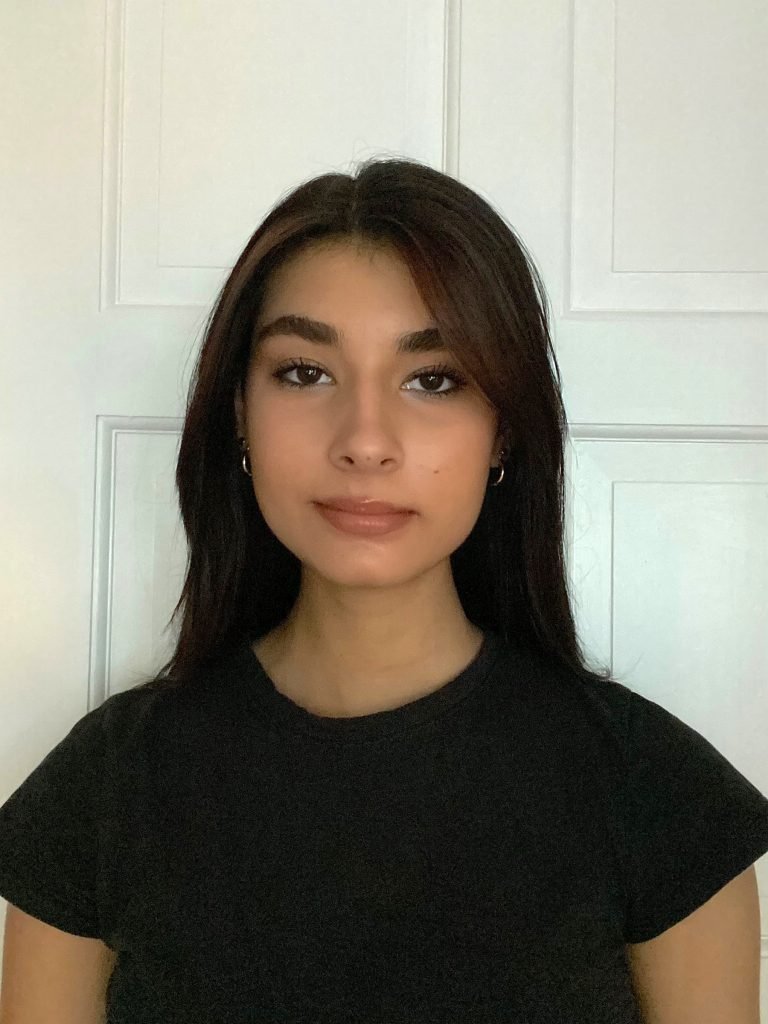
By Sonia Mehta, age 17, Russian-Indian heritage, Ohio.

“Excuse me. Is this seat taken?”

Anika glances up to see pleading eyes.

“Sorry,” Anika says, looking past the girl. “Our friend asked us to save the seat.” She resumes her lunch.

The newcomer leaves. From the corner of her eye, Anika watches the new girl navigate through the crowded cafeteria. Two noisy upper classmates jostle her to the side. Anika clenches her fork. They keep walking as though the girl is invisible. The newcomer chooses an unoccupied table in the corner and sits. Anika’s chest tightens. She takes a deep breath. No relief.

“Anika, you’re mean,” Cynthia says.

“Her name’s Darsha,” Meghan adds from across the table.

“Who?” Anika feigns.

“The new student,” Cynthia replies.

“Oh, I don’t know her.”

Meghan pushes her thick glasses to the top of her broad freckled nose. “Is she from the same part of India as you?” She tugs at her thin red hair.

“No. Different region.”

“She looks a little like you, Anika. But darker.” Cynthia twists her wavy chestnut hair around her plump index finger.

Anika feels a guilty pleasure hearing these words. The desire for lighter complexions in parts of India is a poorly kept secret. The classified section of the India Today newspaper is filled with matrimonial ads. Prospective brides are described as having ‘wheatish’ or ‘cream’ complexions. The defining characteristic of men is ‘successful.’

“I feel bad for her,” Meghan says.

“Someone should talk to her,” Cynthia adds.

Anika knows this means someone else. The friends look at Darsha. She is short and thin. Her long black hair glistens with coconut oil. It is pulled back into a messy ponytail, exaggerating the roundness of her face. She wears denim pants that are a size too large and a dull green t-shirt. Darsha stares at her plate, playing with uneaten food.

Anika rakes her fingers through her freshly straightened caramel-tinted hair. It accentuates her heart-shaped face. She tugs on the collar of her cropped Brandy Melville shirt.

“We can’t associate,” Meghan says, “or we’ll be losers too.”

Anika considers protesting but does not. She has ascended the school hierarchy to the level of blending in. She can live with that.

Three years ago a girl from India entered a classroom. She prepared for life in the States by watching every movie available to her in Surat, India. She expected to be introduced to the class by her new teacher. Such was the custom in her country. Instead, she was directed to an empty seat.

Within minutes, an American girl raised her nose and sniffed loudly. Other students mimicked the action: a pack of hyenas catching the scent of a prey. They soon triangulated the smell to the backpack under the newcomer’s desk. Disapproving looks followed. Her mother’s khichdi sat in the plastic container. It was the least spicy and malodorous dish she knew to pack for lunch.

After class, she rushed to the restroom and dumped the lentil dish. Next period she made the mistake of answering a question about Alexander Hamilton. She did not know that her thick accent sounded like marbles had been placed on her tongue, “Hamilton was a veddy (very) important patriot. He reeelly (really) cared about a strong federal government.”

A boy jeered, ”Did he reeelly?”

Snickers followed. She never volunteered another answer.

The worst introduction happened in the cafeteria. The room, the size of a football field, buzzed with a slow-moving current of American teens. Each table pre-filled with students laughing and gossiping. Their backs turned to her–a phalanx of shields. She found a corner table and sat alone. She stared relentlessly at her watch, willing the minute hand to move faster.

From her left, sunlight came through a window and separated into a rainbow on the wall. She pretended the colors were a palette of paint. She imagined dipping her brush in the red and produced her grandmother’s beet pickle. The cinnamon-anise smell touched her nostrils. A smear of green brought her Auntie’s fried elephant leaf paatra. Was that the scent of coriander? With a dash of orange, her mouth watered with the sweet cardamom-flavored jalebi.

She felt better looking at the rainbow. It was her color palette . Colors were a part of her life. She used to toss the powdered dyes at her cousins during the Holi Festival every year. The colors transformed them into living canvases.

“Earth to Anika,” Meghan says.

“What?” she mumbles, coming back to the present.

“I said, time for fifth period.”

Anika glances at Darsha’s now vacant seat. She tries imagining the new girl leaving alone. Instead. Anika sees a girl from Surat who once filled the emptiness in her heart with colors dancing on a wall. Anika has recognized the aching loneliness in another but has chosen silence. She leaves with her friends.

The next day, Anika joins her two friends at their usual table.

“Did you hear about Darsha?” Cynthia asks.

Anika looks up from her phone.

“She dropped out,” Cynthia continues.

“So soon?” Meghan says.

Anika’s stomach knots. She stares at the seat Darsha was in yesterday. Empty. That deserted table used to be hers. Her eyes drift to the window. It’s sunny outside, and a rainbow flickers through. My color palette , Anika remembers.

“Does anyone know why she quit?” she asks.

“Probably hated being a loser,” Cynthia answers.

“Where did she go?”

“I guess where she came from. Where was that again?”

“Somewhere else,” Anika whispers.

I wish you had stayed, Darsha. I should have shared my color palette. I could have. She looks again at the rainbow. It flickers merrily, unmoved by her thoughts.

A single cloud rolls in. Its shadow obscures the colors.

—Sonia Mehta, age 17, Russian Indian heritage, Ohio. The story is being published as one of the Noteworthy Entries of our 2021 Youth Honor Awards program. The story was also published by Telling Room earlier this summer.
The Sock Problem

The Sock Problem

By Karena Christen, 12, lives in Riga, Latvia.

Most people lose socks, but not in my family. No, we find socks! First, we’d find one sock lying here or there throughout the house. They never seemed to match any of our other socks, which were mostly plain white cotton. Under my pillow, I found a pink sock with purple triangles. My youngest sister, Laurie, found a yellow sock with an orange cat on it in her closet. Every couple of days, someone would find an odd sock in their bed, their drawers, or on their chair. But one night, the socks seemed to get bolder. Mother had made borsch, and when she ladled a portion of beet soup for me, a blue sock with white sailboats stained pink flopped into my bowl. The next day at school, I dug into my bag to grab my permission slip and pulled out a brown sock with green horses on it. Everyone laughed. When I got home, the floor was littered with bright socks, none of which looked familiar.

At dinner that night, my family agreed we had to do something about this sock problem. People weren’t able to come over to our house because we were afraid they’d walk in the front door and see all our socks in high piles around the house. So the next day, we started leaving the house with bags of socks. We’d go around town leaving a sock here or there, hoping someone would take them. Soon, we realized no one wanted the socks. But the house was getting fuller and fuller, and the socks seemed to follow us. When I got off a tram, I had to grab the handful of socks that had appeared on the seat next to me.

Eventually, my parents told us we’d just have to move. The house was making the socks appear, they decided. So we bought a house on the other side of town. We were all excited because we were sick of the socks, and because our new house was so cool. It was a lot bigger than our old one, and it even had a hot tub!

One night, I was sitting in the hot tub, which was my favorite place in the whole house. Suddenly, I felt a tapping on my leg. I looked down and realized it was a sock being knocked against me by the jets. Right away, I got out of the water, grabbed the sock, stormed upstairs to my parents’ room, and held out the blue sock with purple donuts. My parents were furious. We were supposed to be free from our curse. We called a family meeting. Everyone gathered around the kitchen table. I picked up my glass of water and was about to take a sip when I saw a sock floating in it. It was yellow, with black smiley faces. I felt like that sock was laughing at me.

“What can we do about this?” Father asked, holding up a sock that he had slipped on going down the stairs.

“We could just throw them away,” I offered.

“That won’t solve the problem,” my older brother, Jeff, said.

“What if we sold them?” Laurie asked. We all looked at her. Why had we not thought of that?

“I could build a website,” said Marzie, my middle sister.

“We could pair them up so people who like weird socks will buy them,” Jeff said.

“We’ll make a bunch of money!” shouted Laurie. That night, Marzie started working on the website. Jeff, my parents and I rounded up all the socks we could find while Laurie shouted directions at everyone. Soon, we were up and running, the most successful sock-dealer on the Internet. And, we never had to worry about finding socks again.

—Karena Christen, 12, lives in Riga, Latvia. She enjoys reading, math, and pastries. She has lost many socks in her days, much to her distress.

The Perfect Family

The Perfect Family

By Zsuzsanna Juhasz, age 15, Maryland.

The father figure stands above,

No one can compare, just because.

Goes to work, and brings home the money,

While the rest stay at home, and wait for daddy.

We eat when he does, we smile when he looks,

We do what he says, or we get into trouble.

His word above ours. That’s how it has always been,

Because a change in tradition goes against everything he says.

The mother of the house doesn’t leave,

She’s not a human, she’s property.

When they wed, the maiden names goes too,

That’s the way it’s been, what should we do?

She cooks, she cleans, she obeys every word,

No speaking out, or she gets hurt.

She’s the uplifting spirit that we all need,

Unless she’s hushed, she just washes and feeds.

The eldest daughter, the pride and joy,

The one to go on and have kids of her own.

She must leave college, to marry a man,

She must do what she’s told, because she’s a woman.

Soon she will learn, what she must do,

It’s her “honor,” it’s her “duty” to be told what to do.

She takes the abuse, she holds it all in,

A sound out of her, would ruin the perfect image.

The youngest son, who learns from the father,

Does anything he says, and learns from his lectures.

He takes careful notes, so he knows what to do,

Like how to sit on the couch and work a grill too.

Looking at girls, poking at skirts,

Blaming their impulses on simply being a flirt.

Growing older, carrying his father’s beliefs,

One day he’ll become who his father turned out to be.

Men go to work, and women just stay at home,

Why change now? That’s the way it’s always been!

“Stop nagging and speaking, and clean the house!”

It’s written in cold blood to be as quiet as a mouse.

Nothing will really change, it’s all an illusion,

To make you grow up to be just like your father.

“What do you mean you don’t like it? That’s how it’s always been!

One day you’ll know when you’re married and have three kids.”

By Zsuzsanna Juhasz, age 15, Maryland. She adds: “My inspiration for this poem was the study of family norms in history, during the 50s and 60s. I’m currently enrolled in AP United States History, and when I wrote the poem, we were learning about how the average middle class family lived, and what life was like for the typical family. I thought it was incredibly interesting topic, especially when learning about Betty Friedan and how she challenged this observation, eventually publishing her own novel, The Feminie Mystique.

“I am Hungarian; I was born in the capitol, Budapest. My parents are from there, and my family and I moved here when I was just one year old.”

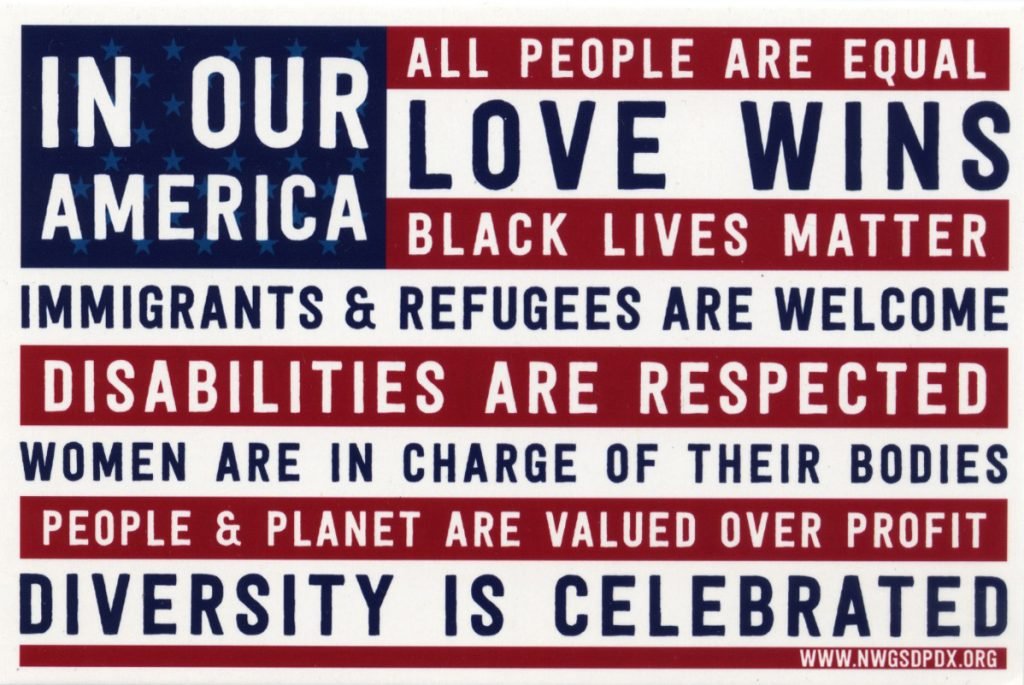
In Our America

Reprinted with permission from www.nwgsdpdx.org. The website supports an era of activism, democracy and progressive politics, and they advocate for social, financial and environmental justice. We wanted to share with our readers this flag featured on this website. It represents the values important for our nation; we are an integral part of the global world. You can order digital copies of this image as well as prints of this flag and also as a postcard.

Celebrating Earth Day 2021

By Arun N. Toké, editor.

Earth Day 2021 Greetings!

While we have been observing Earth Day for over 50 years now, the rapid decline in diversity of species and livability on our planet continues unabated. Why?

The issues are numerous and complex: the problems of air, water and soil pollution; the loss of biodiversity, wildlife and wilderness; deforestation; nuclear threat; ecological issues due to overuse of pesticides, herbicides, and chemical fertilizers; and ocean warming. On top of that, the overuse of single-use plastics all over the world and lack of proper recycling facilities add to the plastic pollution problem. And our Covid-19 pandemic response has increased the use of throwaway plastic products to another level.

But, the climate change crisis that we face is the biggest problem of all. While our governments and business leaders may give lip service and say they are doing everything to curb climate change, the situation remains an ecological emergency. The daily CO2 levels have reached 420 ppm recently. Global average temperature increases are sure to go beyond the Paris Accord limit of 1.5° or 2° C. And the results are likely to be devastating!

Nature nurtures us—not just human beings but all species. But if we continue to damage nature, there will be an ecological breakdown. We must learn to be responsible caretakers and conscientious consumers. How can we show our care and love for Mother Nature?

Often we hear solutions like: Use less plastic products, drive less, pick up trash, etc. These are noble goals on a personal level but we also need system-wide changes at national and international levels. We must urge our governments, as well as business, financial and industry leaders to stop their “business as usual!” We need to replace fossil fuels with renewable energy resources—wind, solar, geothermal, micro hydropower, etc. And, we must choose energy efficiency, resource recycling, and closed loop systems. In nature, one species’ waste is another species’ food! If we want true sustainability, we need to mimic this principle of No Waste! Shipping e-wastes, or discarded paper or plastic or scrap metal from developed countries to low-income countries under the guise of “recycling” is not a real solution!

What can we do about climate crisis? We must drastically cut the quantity of greenhouse gases released to the atmosphere—carbon dioxide and methane—and at the same time, sequester the greenhouse gases already present in our atmosphere. We must work on the problem from both ends to make a meaningful progress. We could plant trillions of trees and conserve our forests, locally and regionally, as they help reduce atmospheric CO2 by converting it to bio-matter.

In our own personal and family life, we can try to reduce our consumption of fossil fuels in all possible ways. For example, we can avoid unnecessary driving and minimize the use of automobiles in our family by using bicycles, public transportation, or walking when practical. Lots of our neighbors have installed heat pumps for heating their homes and thus cut down their oil and gas use for home heating.

We can reconsider where we purchase our groceries and which foods we consume. As much as possible, we can use local and organic products because they’re good for our health as well as the local economy, and also the planet. If we can, let’s buy our vegetables and fruits, etc., at local farms or farmer’s market. If there is a space for gardening, we can grow our own fresh produce. We can also have a rooftop or windowsill mini garden.

Let’s make a goal to consume non-animal foods to the extent we can, because producing meat contributes to climate change and it is ecologically damaging. We can rely on grains, veggies, fruits, nuts, and legumes instead. Yes, it is difficult to give up our habits. So we can try to reduce our consumption of meat and fish gradually. Start with skipping meat for a few days a week, or even for one meal a day. When we get used to that, we can cut it down further. I grew up without meat or fish for the first 20 years of my life, and for the last few decades, our household has avoided meat, poultry, and fish completely, so I know it can be done.

Let’s avoid single-use plastic products—plastic bags, eating utensils, straws, etc. There are many ways to avoid using disposable things in our daily life. We take our own reusable bags and containers when we go shopping. Let’s ditch the plastics habit for the sake of life on the planet!

The Covid-19 pandemic has shown us that we can cut our air travels to a minimum. Instead, we can take mini vacations nearby. Day trips are much easier to organize. We can walk, picnic, play and bicycle in our local parks and enjoy nature areas in the region instead of flying cross-country or to another country.

What else can you think of to reduce our greenhouse gas emissions? How can we keep our exceptional planet a livable planet for us and for all other living beings?

Let’s not forget that we are part of Nature; we are not an isolated species. Why not create regenerative systems that work in harmony with nature? Let’s plant seeds of happiness. We’ll reap what we sow. Let’s make this Earth Day a special day that will live in our memory for a LONG time by making a firm resolve to live in harmony with nature!

Poems and Photos from the Bhalukhali Rohingya Refugee Camp, Bangladesh

By Mohammed Faisal, 19, Bhalukhali Rohingya Refugee Camp, Bangladesh.

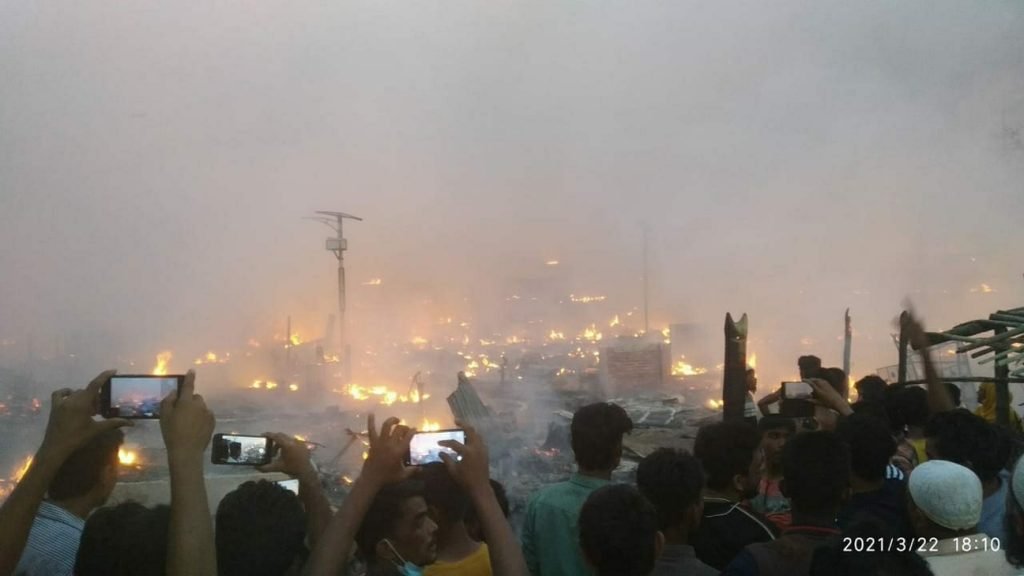
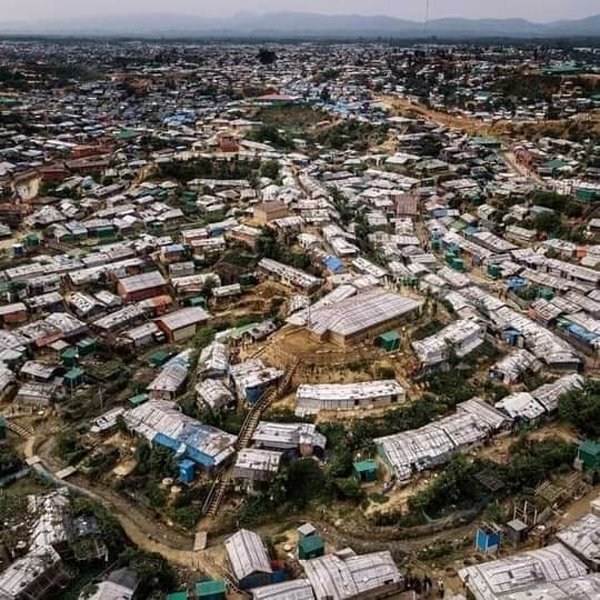
I’m Mohammed Faisal, a young Rohingya poet, living in the world’s largest refugee camp. We, Rohingya, fled from our country Myanmar in 2017 due to the forcible displacement of our civilian population. We were brutalized by the Myanmar military, and we were taken to the Bangladesh refugee camp where we still continue to face so many difficult obstacles in order to survive. We have struggled, and have also established a massive tent village. Unfortunately, there is not enough space in our tents, and we continue to have to downsize. Our family members continue to change with all the various circumstances that are also changing. We feel suffocated, and our parents, children, aunts, and relatives all have to stay together and sleep together in a very small tent shelter. There are not any playgrounds for children to play in, and children are not able to receive the formal education that they deserve. We are all flying around like birds in a cage, and we are not comfortable at all.

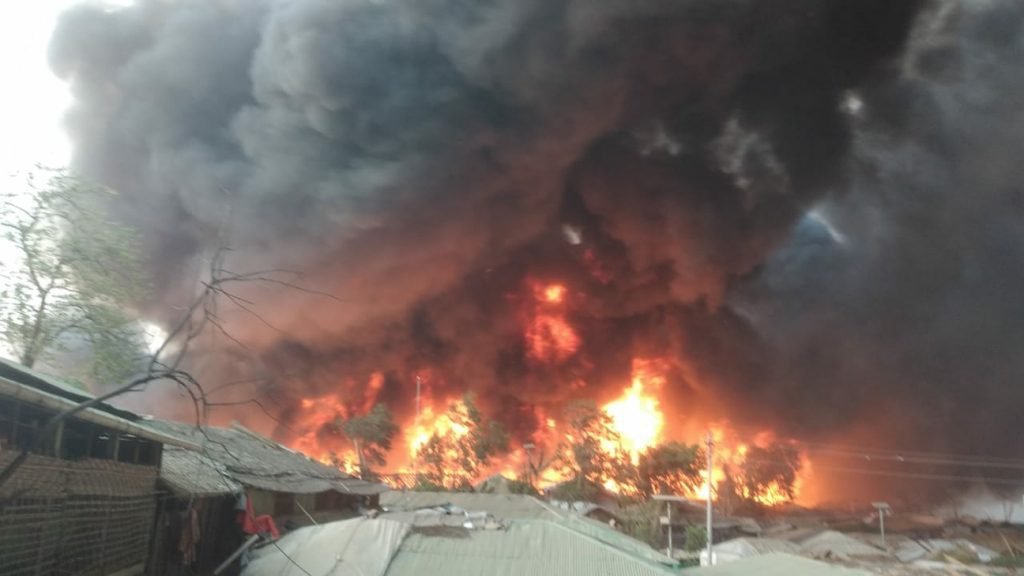
On Friday, March 22, 2021, a massive fire decimated thousands of our shelters here at the Bhalukhali camp. The fire was incredibly violent and killed hundreds of people including infants. Unfortunately, the people here were not able to escape from the camp, because the government of Bangladesh has created a fence all along the camp’s border, which is why so many people were not able escape the violent fire. There are still so many people who are without shelters and homes. I have also seen people sleeping on the ground wrapped in plastic blankets. This is a short introduction to the people I love, the Rohingya, and is also an introduction to our current state of affairs. I hope the Rohingya stories will live on in your awareness.

 The Fence by Faisal Justin
  
 When the fire caught our shelters 
 some people weren’t able to come out.
  
 They burned in the fire,
 couldn’t see their way out. 
  
 Many people could not climb the fence;
 they had to stay in this cage.
  
 There is no freedom in this burning cage,
 suffocated by heat. The fire leaps. 
  
 O, my government! 
 O, dear Bangladesh! 
  
 You are the thousands, rescued and displaced. 
 You are the kind-hearted. Take down this fence, this place. 
  
 Hundreds of lives ruined by this fence--we do not understand. 
 You eliminate words. You eliminate language.
  
 No End to My Sadness by Faisal Justin
  
 Many years of my life have disappeared from view
 Life continues, full of sorrow. I remain here, in the same position 
 My eyes, full of tears, at times, even oceans 
 My body becomes thinner, day after day
  
 Don't feel well wherever I go 
 This moment only makes me ache 
 The world is not the world, in my imagination 
 The sunny day looks like a cloudy day 
 My face even looks gloomy. 
  
 I have visited several places 
 Searching for peacefulness 
 The more I wander, the more morose I feel 
 Every second reminds me of one thing-- 
 Which remains my country 
 And which I hold in my warm heart . 
 Life feels as if it is falling, full of aching, full of sadness.  

A $15 Minimum Wage for all Working Americans

By Amelia Christensen, 16, Minnesota.

Raising the federal minimum could will save millions of Americans from financial burden and stress!

As a working high school student, I get paid $11 an hour, which is $3.75 above the minimum wage in America (currently at $7.25 per hour). My paycheck for two weeks covers a few meals at a fast-food restaurant, one small grocery bill, and maybe a few miscellaneous items. Now imagine a single mom living on a $7.25 per hour wage with kids, a mortgage, grocery bills, and student debt to pay. To put this in perspective, she would need to work 139 hours a week to meet her expenses. This would translate into working almost 20 hours a day, seven days a week!

A $7.25 hourly wage would mean earning about $15,080 per year. This pay is extremely low, leaving an individual living barely above the poverty line, surviving paycheck to paycheck. A full-time worker living on federal minimum wage would even qualify for food stamps. It’s extremely hard to comprehend how an individual can live on this paycheck, but imagine a whole family living on a yearly salary of $15,080. Quality of life goes down, mental health issues increase and basic needs aren’t met.

Money and financial problems play a huge factor in increased suicide rates. The American Journal of Epidemiology found that financial stressors like unemployment and low income might make someone 20 times more likely to attempt suicide.

Fortunately, there is a solution to the problem. According to a 2020 study published by the American Journal of Epidemiology and Community Health, raising the minimum wage by even one dollar an hour would cause suicide rates to drop. As shown in these statistics, people living in poverty don’t just struggle financially, but also have mental health issues. Many low-income workers are struggling to make ends meet, provoking them to have extreme stress, anxiety disorders, depression, or other mental illnesses. Raising the minimum wage could not only help the quality of life for many struggling Americans but it could also save thousands of lives.

Raising the federal minimum is a long process and doesn’t just happen overnight. Biden has proposed to raise the minimum wage to $15 per hour by 2025. If his plan is successful, he would pull 900,000 people out of poverty, increase pay for 17 million workers, and help narrow the chronic economic gap between white Americans and Black and Hispanic Americans. The minimum wage has been stagnant at $7.25 an hour since 2009, but with the Raise the Wage Act the federal minimum wage would go to $9.50 an hour in June. Then it would continue to rise until it hits $15 in June of 2025. The Liberal Economic Policy estimates that 31 percent of African Americans and 26 percent of Latinos would receive a raise if the minimum wage was increased, which would play a crucial role in reducing racial economic disparities.

Some concerns about raising the federal minimum wage are: it would take a toll on the economy and take away millions of jobs, as employers are required to pay their employees more. Two economists from Princeton University, Card and Krueger surveyed 410 fast-food restaurants and found that with higher minimum wage, job openings increased rather than decreased. Professor Arindrajit Dube of Univ. of Massachusetts at Amherst, a leading minimum wage researcher, points out that companies would benefit from a wage increase because employees would be less likely to quit, which would save time, money, and resources.

Raising the minimum wage will not completely solve all financial problems for an American living on federal minimum wage, but it will provide some financial freedom. If we start to raise the minimum wage gradually, even by a dollar an hour, it would relieve financial stress and anxiety, and even save lives for struggling individuals living paycheck to paycheck.

References:

https://livingwage.mit.edu/articles/19-new-data-calculating-the-living-wage-for-u-s-states-counties-and-metro-areas

https://www.healthline.com/health-news/how-raising-the-minimum-wage-can-be-a-win-for-mental-health#Suicide-rates-drop

https://www.pbs.org/newshour/health/how-economists-see-bidens-15-wage-proposal

Erwin: A Holocaust Survivor

By Maggie Satterthwaite, age 16, European American, Massachusetts.

MUNKACS, CZECHOSLOVAKIA, MAY 1944. The German soldiers trampled, raided, and forced his family out of their house and onto a train, which led most of them to their death. This was the moment when World War II confronted Erwin Forley and his family. They watched flames swallow their IDs, while simultaneously feeling their own lives burn to nothing. The happy life that Forely knew as a Czechoslovakian teenager was stolen from him, and soon enough his existence would mean nothing more than a tattoo marking A-9957 on his arm.

Mr. Forely, 92, tells his story to reflect on and share his experiences during the Holocaust, but also to warn today’s society about what may happen if we continue to choose violence over peace and hatred over love.

Before the Nazis arrived in his town, life was normal. For most of his childhood, there was no sign of anti-Semitism or war.

“Life was good. We had parties, we went swimming, we went ice-skating, and we had normal lives… until the end,” says Forley. “Until they took us.”

Forely grew up in Czechoslovakia with a loving and honest family—his father, mother, brother, sister, grandparents, and eight uncles and aunts. By the end of the war in 1945, there were only three survivors in his family—his sister, mother, and himself.

After their capture, Forely’s family was sent off to a ghetto, where they survived off of little food for three weeks. Then, already weak, they were thrown into cattle cars, where one hundred other people were crammed, and were shipped to Auschwitz. At the concentration camp his grandparents and young brother, deemed useless, were sent to a gas chamber. The father of a girl Forely had known in the ghetto told him to “take good care of my daughter,” as he was not optimistic that he would survive.

Forely and his father remained together, but they had to hide their relationship. If an SS (Schutzstaffel in German, meaning Protection Squadron) guard knew that two men were family, one would be beaten to make the other suffer. To avoid this, Forely called his father by his name.

Although he was not beaten in front of his father, he was often threatened with attacks from German Shepherds. These vicious dogs were used by the SS guards for their ability to maim or kill prisoners who misbehaved.

Because Forely and his father were farmers, they continued to work as farmers in Auschwitz for six months. In many ways, this work on the farm saved their lives at first, as they had a purpose in providing for Germany. Although it helped them avoid the gas chambers, it was still extremely dangerous and took place in brutal conditions. Forely, for instance, was hurt while cutting trees and had to go to the hospital, getting separated from his father.

Later, his father was taken to another camp, where he eventually died of hunger.

Just days after Forely was treated for his injury, the Russians liberated Auschwitz on January 27, 1945.

Erwin Forely was free.

Today he says, “I have faith. I am a believer, and that is why I survived.” He explains that his hope and resilience saved his life.

Once Forely left his worst memories behind and reentered life outside of the camp, he found his way back to his childhood home in Munkacs. However, a Russian captain had occupied the house. Forely explained that he used to live there and asked if he could enter his home to move some furniture. The Russian approved.

Inside, Forely pulled out a pair of earrings his father had given his father, earrings he had hidden before being sent to the camp. The earrings were also survivors of WWII, and they now belong to Forely’s granddaughter.

Later, Forely rang the doorbell to his house again, but this time his mother and sister opened the door. Previously unaware that they had survived and returned, he was grateful to reunite with his only living family members. Together they moved around Europe, and Forely went on to study textile engineering at university.

One day, they received a special package. It was from Forely’s uncle, who was in New York. He sent them papers, and soon enough they were on a long journey to America.

Although he would always hate every German his age or older, Forely was able to be positive and optimistic when beginning his new life in New York.

“I didn’t feel out of place,” claims Forely. He was happy in America and felt welcomed.

Forely was once surrounded by death. Now, however, he lives contentedly with his wife of 67 years, with whom he has children and grandchildren.

“She is always helping me. She is my light,” says Forely, as he mentions his wife.

Seventy-five years ago, the only light that Erwin Forely saw was from deadly flames. Now, he sees it instead in the warm, kind faces of his family.

By Maggie Satterthwaite, age 16, European American, Massachusetts.

Dare I Say / Y Me Atrevo a Decir

 Dare I Say
 By Cassandra Martens Diaz, Mexican-Canadian, 17, Manitoba, Canada
  
 I do not pronounce it with familiarity 
 I do not read it
 I do not spell it
 Dare I say I speak it at all 
  
 Pepper burns my tongue 
 I turn away from the heat 
 I do not take the spice
 Dare I say I have a taste at all
  
 The Jalisco too small 
 Tucked away, unused, unworn
 Body stiff, and still 
 Dare I say I can dance at all 
  
 Though in my blood
 Though in my citizenship 
 It is not to be found in me
 Dare I say I am Spanish at all
 
 
 Y Me Atrevo a Decir
 por Cassandra Martens Diaz, 17, Manitoba, Canada
  
 No lo pronuncio fácilmente 
 No lo puedo leer 
 No lo puedo deletrear
 Y me atrevo a decir que lo hablo
  
 El ají quema mi lengua 
 Prefiero alejarme del chile
 No tolero el picante
 Y me atrevo a decir que lo saboreo
  
 Mi traje de charra me queda chico
 Alzado, sin usarlo ni vestirlo 
 Cuerpo rigido, e inmóvil
 Y me atrevo a decir que bailo 
  
 A pesar que está en mí sangre
 A pesar que está en mí ciudadania 
 No lo he podido encontrar en mí
 Y me atrevo a decir que soy Latina 

  Cassandra adds: "My family immigrated to Canada from Chihuahua, Mexico when I was 
very young. Since I was raised in a country that was culturally very different from Mexico, I have always felt detached 
from my extended family because I lack a lot of the experiences that they’ve had. It is important to me that 
I continue to work on my Spanish and learn more about my mom's culture.. I am just beginning to submit my work 
for publication. I was inspired by Jessica Wang’s heartfelt story submission, Xiang Xiang, 
published by Skipping Stones."