Author Archives:

They Let Me Live in Sound

They Let Me Live in Sound

By Mahika Kapoor, age 14, Virginia.

I wrote this poem with a ten-minute timer to try to capture the frenzied mindset of the narrator in this poem. I wanted to see how fast I could capture the importance of the Holocaust, and how other people felt. I came up with this piece, “They Let me Live in Sound,” showing a child’s mind during the Holocaust, mostly based on the child Ellie Wiesel. Ellie Wiesel wrote the book “Night” to capture his dream of other people understanding the misery of the Holocaust. He will forever be remembered, and so will many other characters from the Holocaust period, such as Anne Frank. Anne had a dream to publish her diary she wrote during her two-year Holocaust hiding. These two historical figures both had dreams of people remembering the Holocaust, and for others to be able to vision how tragic their experience was through forms of writing.

The poem tries to capture how many people may have been feeling during the Holocaust in metaphorical ways.

—Mahika Kapoor, age 14.


I used to run away from the people and the sound
I used to seal my ears because my life was too loud 
Running away, sealing my ears, hiding from what’s monitoring me
But what if I let loose my hand cuffs and decided to be me?
What if I decided to be free?

They would shut my eyes belligerently, making sure my eyelids wouldn’t dare to let the light in by even a slit
It’s not worth it
It’s not worth it 
What would I do to be free?
What would I do to open the jar of experiences that are limiting myself to be me?
And then suddenly, I expose my ears
I expose my ears, submerge my feet in the bosom of the ground, and erase my tears
The world behind my eyes will vanish if I want the will to be free
But at least I will die knowing I can still be me

By Mahika Kapoor, Indian American, age 14, Virginia.

Is Convenience Worth the Last Drop?

Is Convenience Worth the Last Drop?

By Mikaela Gee, age 16, New York.

As we walk from the sea to earth, along paths carved by rapids long ago,
It was Mother Nature’s tears that nourished and raised—

Our bodies, our cells, our kin who’ve begun,
To shape the earth with a boundless run.

And yet, we have forgotten our mother,
Who raised us through countless years.
Her lifeblood, pure and versatile,
Now depleted, unwaveringly so.

She gives us the sweetest fruits to savor,
Irrigates our crops to yield golden wheat,
And builds the grand towers that power our homes.
Yet we poison her roots, her veins,
Choking the motor, seizing the reins.
Our pipes leak lacquered oil into her seas,
From which we fish, then we eat.

Steel succumbs, its strength turned frail by decay,
Her hands unearth truths time cannot betray,
Empires crumble, bound by nature’s say.

And so I call upon you—
My peers, future generations, and past:
Let us pause and remember: the taste of water, sweet and crisp.
The refreshing rain that quenches earth’s thirst.
Without water, no harvest will grow,
No forests, no flowing seas—no us.

Let us act before time discreetly seeps away,
With hands that halt the careless streams,
And choices that honor the gift we’ve known—
So the rhythm of life may endlessly flow,
So that our cups will always be filled to the brim.

By Mikaela Gee, age 16, Chinese-Malaysian, New York. Mikaela explores life’s complexities through quiet reflection, capturing universal emotions in still moments—like gazing out a car window at the world rushing by. She’s eager to share her voice and connect with readers, blending personal introspection with themes that resonate widely. Expect to see more of her poems in near future.

Monsoon Rains

Monsoon Rains

By Adhya Kidiyoor, 14, Texas, and Maira Khwaja, 13, Texas.

The steady, gentle pour of the rain
The hot steam spiraling from the cup in my hands
The soft creaking of the wooden swing beneath me
This takes me back to where I belong
This takes me home.

I linger there for a while, trying hard to piece myself back together

The thunder booms, shaking the rain-soaked earth, scattering my broken thoughts across the mossy ground.

The swing freezes midair.
My chai loses its last warmth.
Time seems to stand still.

Who am I?
I’m a girl who’s lost.
A girl in the glorious shower of rain
A girl remembering the soft, familiar canopy of past days
A girl falling apart in the monsoon, not yet ready to let it go.

A girl who longs to go back.

Sitting here without the warmth of my home, I feel so small.
Alone.

Lightning flashes, and for a moment, everything seems clear.

I breathe again, as the rain grows heavier and heavier
As the burden I carry feels lighter and lighter

I listen, for once, as the murmurs of life grow smaller and smaller
And the depths of my clarity grow deeper and deeper

I pause, in wonder as the tiny insignificant raindrop becomes a brilliant shower—
Something bigger.

The rain grows stronger, the steady stream washing away my confusion
For the first time, I can see clearly.

Alone, I would be swept away, just another raindrop swept away in the current
But I don’t have to be alone

The stories of pride and joy, so achingly familiar, keep me warm.
The whispered tales, so fondly believed, keep me company.
These are my roots.
This is my culture.

The rain fades away, as all moments must.
But I can find solace in this memory
I can find clarity in this moment
And in the rain, I find not just my answer but myself.

I am not just a drop, but part of a storm.
I am not just a person, but part of a nation.

I am not just a girl, but the spirit of what makes India beautiful.
And that is all I need.

* * * *

Somewhere between that last sip of chai and the weight of the rain, I stopped worrying and began to listen. The rain didn’t just fall—it spoke, in a language older than our names, dialogue that can be felt and heard. It tells me, tells all of us, that home isn’t always a place, but a scent, a story, or the rhythm our footsteps carve and the droplets copy. And sometimes, the storm doesn’t break you. Sometimes, it brings you back home.

* * * *

The steady fall of the rain
   counters the frantic
    thumping of my heart.

I am surrounded by the scent
  of moss and earth
   and all things green with life.

It was a dry period,
   one without the flourish of nature
    and the embrace of home.

But
  monsoon
   is coming soon.

I now sit on the swing
  that has swayed the same since I was six—regardless of storm or season.

The sky weeps a wretched cry,
   hungry to drown all that is familiar.

I must remind myself
  this brutal storm is nothing new.

And the lifeless land will be ruined only momentarily—
  hard and loveless destruction giving way to plentiful earth.

For days, the skies will wail
  and the clouds will darken,
      closing their weepy eyes.

   I wonder if this storm will ever pass.

But
  monsoon
   comes every year.

So by now, I must know
  the storm will waver eventually—
   desperate, darkened skies shutting their curtains  

to reveal the calm of the sun
   the soft of verdant grass
       And the saffron and marigold of the ripe aam
         That I have been waiting for.

         My little swing continues to rock
        and the rain continues to fall
      but I continue to breathe
 Because the skies have promised

To epilogue into vibrant
    orange, white and green,
     that fills me with the spirit of India,
      alive in every drop of rain.

Written jointly by Adhya Kidiyoor, and 14, Texas, and Maira Khwaja, age 13, Texas.

Adhya loves staying active—especially in the world of literature! Whether it’s volunteering, competing in Science Olympiad, or practicing tennis, she’s always doing something. When she’s not on the move, you’ll find her reading, listening to music, or working on her next big idea. She’s curious, motivated, and always up for a new challenge.

Maira has a passion for learning and creativity. She enjoys writing poetry, reading, and spending time outdoors. When she’s not volunteering with nonprofits, she’s either listening to music or practicing karate.

The Global Wildlife Center

The Global Wildlife Center

By Keren He, age 16, grade 10, Louisiana.

In Louisiana’s heart, a lush embrace,
A sanctuary sprawls, a wild, open space.
The Global Wildlife Center, a haven graced,
Where creatures roam free, their freedom traced.

Nine hundred acres, a vast expanse,
Where wild hearts freely roam and dance.
A thousand beings grace this grand land,
In harmony, they live as if by chance.

Safari wagons roll through verdant terrain,
As guides share tales that educate and entrain.
Of habitats lost and efforts to sustain,
Of balance restored, new life to regain.

Zebras with stripes like an artist’s brush,
Kangaroos hop with a playful rush.
Giraffes bend low, their touch gentle, plush,
Camels sway by, their steps soft as hush.

Ostriches dart beneath the azure sky,
Emus stride through, their gait never shy.
Bison show strength as they wander by,
Antelopes leap, so graceful and spry.

Conservation’s call rings clear and true,
As visitors learn what they can do.
To protect these wonders, both old and new,
For future generations to cherish, too.

The Center stands tall, a beacon for all,
A refuge, a teacher, heeding nature’s call.
So come one, come all, let your spirit soar,
In this sanctuary of life—forevermore.

By Keren He, age 16, grade 10, Louisiana. 

King of the Soup Dumplings: Yang Bing-Yi

King of the Soup Dumplings: Yang Bing-Yi

By Fanny Wong, New York.

During the Chinese civil war in 1948, Yang Bing-Yi was an ambitious 21-year-old man. He decided to leave his home in southern China and embark on a new life. With only $20 in his pocket, Bing-Yi stepped into a boat to escape the war. He worried whether the rickety boat would make it to Taipei, the capital of Taiwan.

The boat arrived safely and Bing-Yi’s life changed.

He met and married a young woman, Lai Pen-Mei. They started a new business together.

Young and hard-working, the couple sold cooking oil in glass bottles. This supported their growing family, until oil in tins became popular and business slowed.

Bing-Yi worried. What else could he do to support his growing family? His education was disrupted when Japanese troops occupied China. Without a good education, he still could work hard and make something of himself. He started another business.

He recalled he had learned how to make noodles from relatives. That was something he did rather well. So he opened a store to sell noodles.

He made very good noodles. Business was brisk but there was a lot of competing noodle makers. What could he do to bring in more customers? How could his noodles stand out? He had no idea. Then a loyal customer encouraged him to make something else, a soup dumpling (Xiao Long Bao) that was popular in China.

“At first,” Bing-Yi explained. “I knew nothing about the skills of making dumplings, but I set out to learn.”

He had a lot to learn!

First, he created the soup with pork bones. Then he mixed the filling of pork, water, minced ginger, and then seasoned it with soy sauce and pepper.

The flour dough was easy to make. Bing-Yi rolled out each piece to a round disc about 3 inches in diameter.

The challenge was how to fill the dough with soup. He formed it into a pouch, but the soup was too thin. It didn’t stay inside.

He experimented and experimented with the dough. It was either too thick or too thin. Even when the dough was just right, nothing worked. But he persisted and came to the conclusion that the problem could not be the consistency of the dough.

He started to experiment with the soup.

He boiled chicken and pig bones for a long time until the soup was gelatin-like, which was easier to handle than liquid soup. He filled the soup gelatin into the pouch and pinched it close, making pleats on top. When he steamed the dumplings in a wok, the gelatin soup melted. Viola! Soup filled dumpling! After so many trials, he had found the solution!

The aroma made Bing-Yi’s mouth water. He waited impatiently for the dumplings to be cooked. He lifted the wok cover to check on the progress frequently. Finaly, dumplings were ready. He poked a hole on the top of a dumpling to let out the steam. He bit first into the skin, then delicately slurped up the hot soup. He closed his eyes to savor the soup and the filling. An explosion of flavors and texture! Delicious! His customers would love it.

Word of mouth from appreciative customers brought more people that overflowed his store front. In 1972, at age of 45, Bing-Yi took a bold step and opened his first restaurant in Taipei, Taiwan. He named it Din Tai Fung. He chose those words because din means a cooking vessel and tai fung mean peace and abundance. It was an auspicious name for a restaurant that would open branches first in Tokyo, then in Arcadia, California, and then in New York City.

Each restaurant uses the same high standard, down to the diameter of the dough and the weight of each soup dumpling. Each one must weigh 21 grams, about three-quarters of an ounce. Through glass windows in the restaurants, customers can watch the white-uniformed cooks prepare the dumplings in a brightly lit kitchen. They can see the amount of work and the technique of making a soup dumpling. Their consistent high quality of the dumplings and level of service bring new and repeat customers.

In 1993, the New York Times published a feature about the restaurant. In 2010, it received a Michelin Star, a prestigious award to a restaurant offering outstanding cooking. Food tasting experts have raved about the dumplings, spreading the restaurant’s fame far and wide.

In 2023, Yang Bing-Yi passed away at the ripe age of 96. But his two sons continue their father’s legacy, serving the popular Xiao Long Boa in Din Tai Fung restaurants in many cities all over the world.

Two years ago, I visited my brother-in-law in Taipei, Taiwan. He took me to a Din Tai Fung in a shopping mall. We had to take a number and wait on a bench outside. My brother-in-law ordered not only the dumplings, but also small side dishes and a cucumber salad. I still remember how delicious the dumplings were. Surely worth the 30-minute wait!

By Fanny Wong, Chinese American author, New York. Ms. Wong has been a frequent contributor to Skipping Stones Magazine.

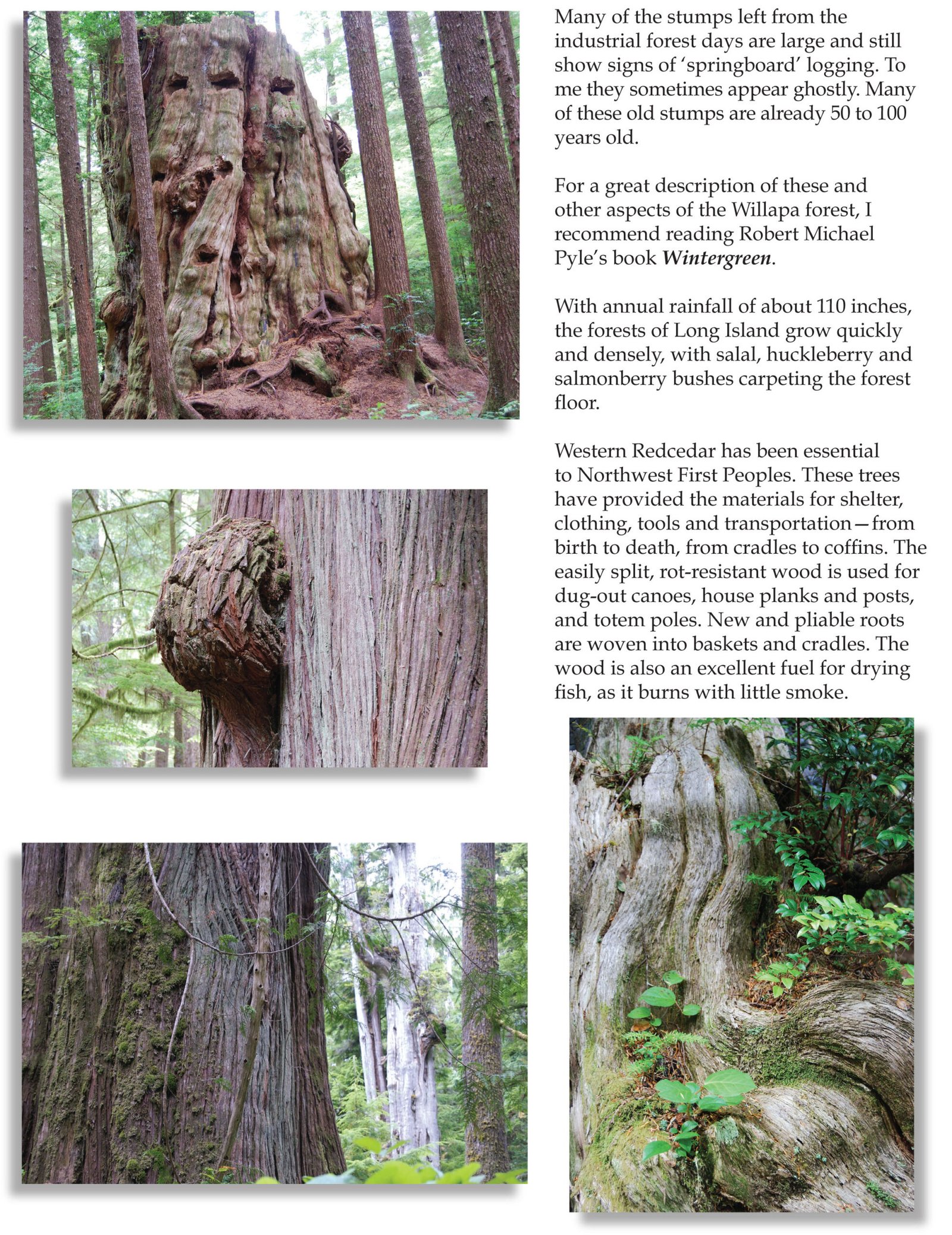
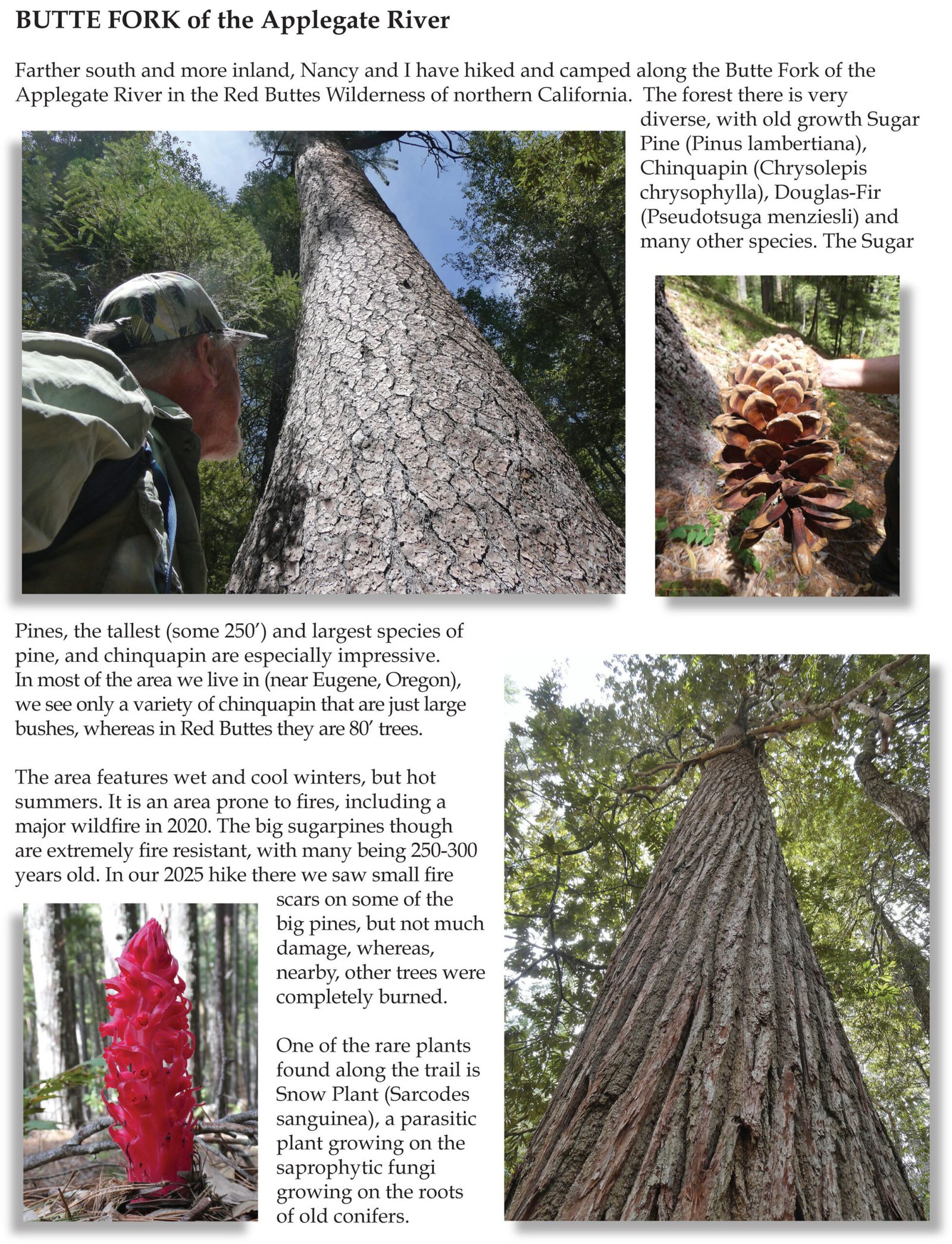
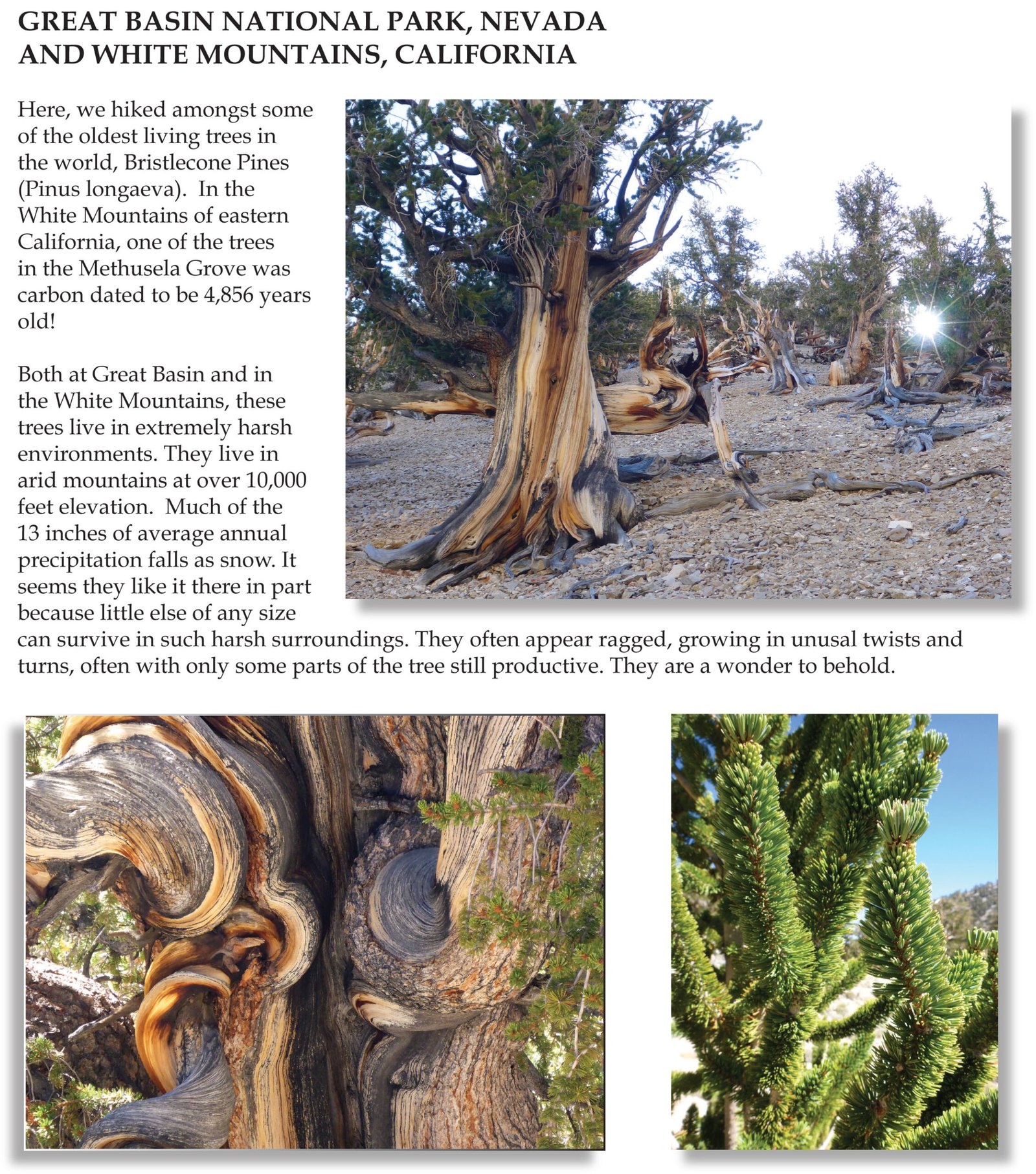
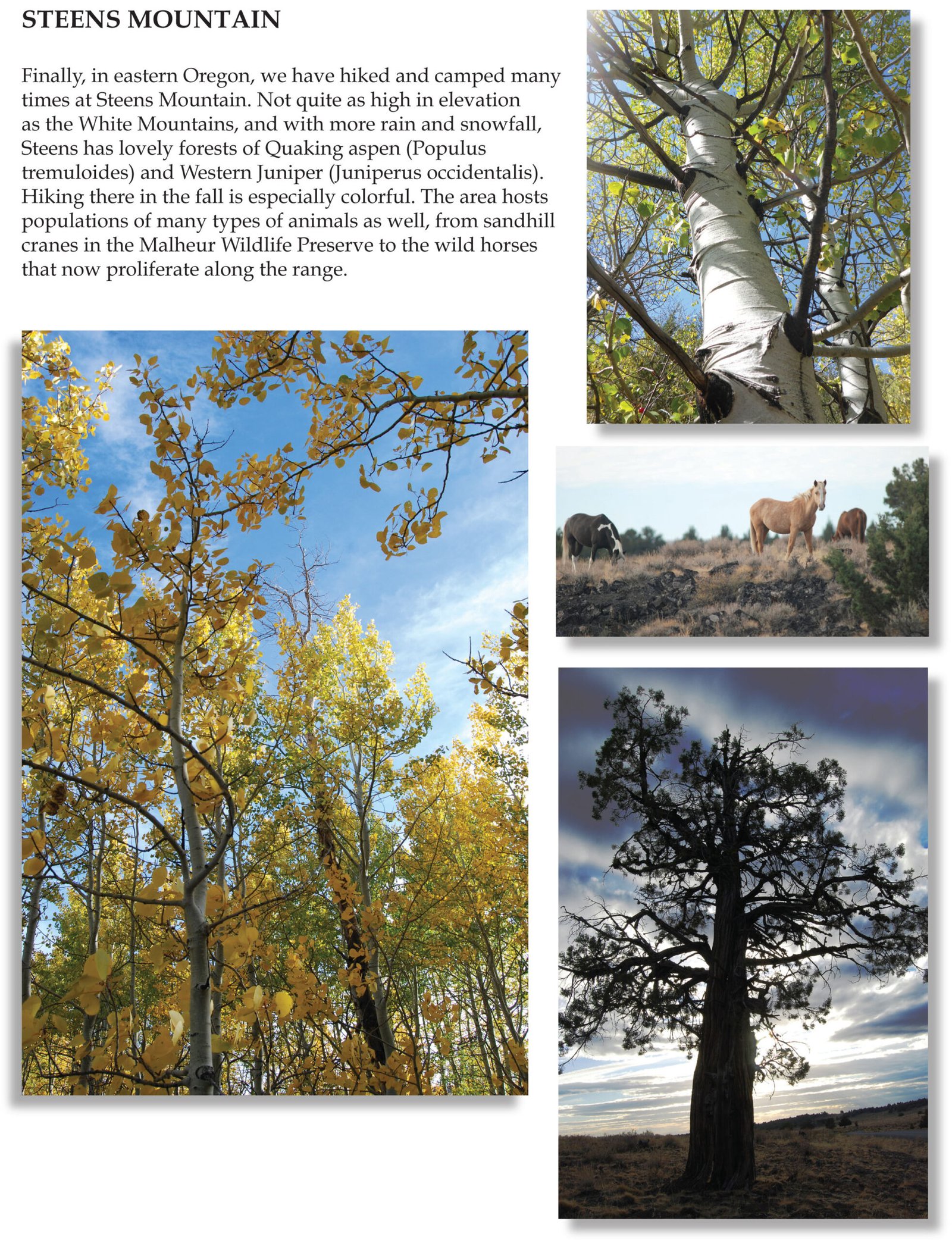
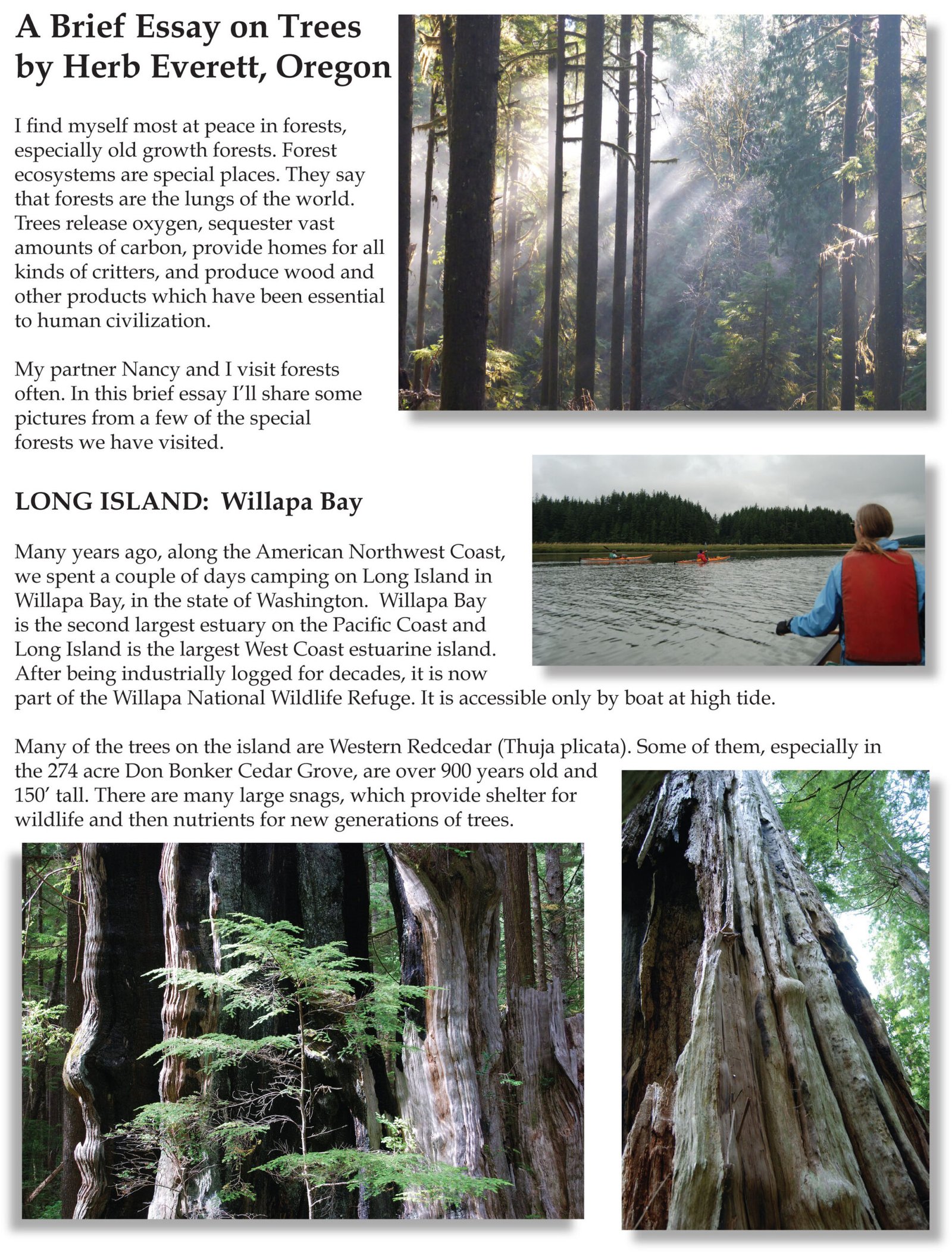
A Photo Essay on Trees

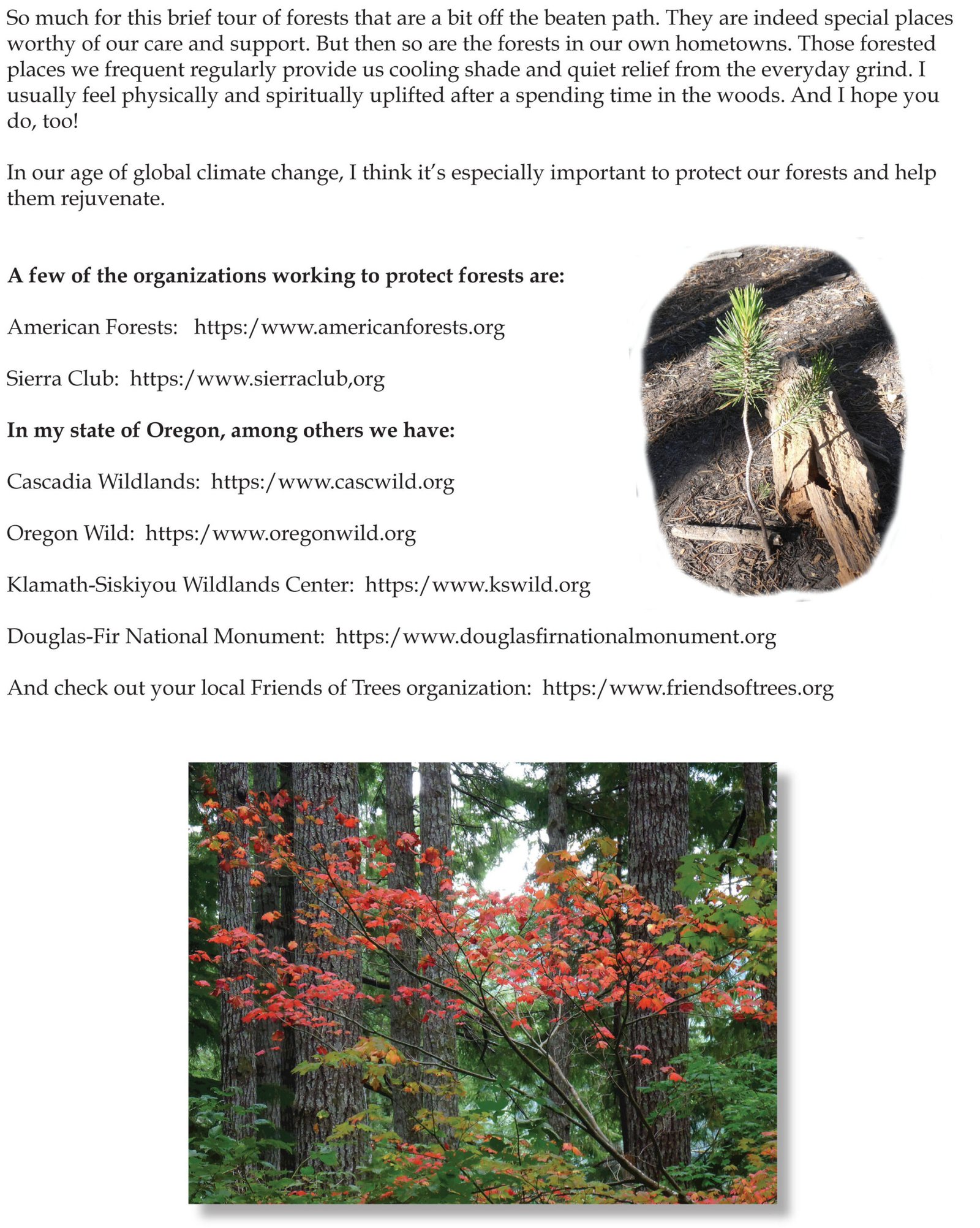
We invite you to enjoy the incredible beauty of nature in this photo essay by photo journalist Herb Everett of Oregon.

Author and photographer Herb Everett is a retired graphic designer, avid hiker, and a world traveler living in Eugene, Oregon. To download a file (1.5 MB) of this photo essay by Herb please click here.

Chambered Nautilus Paintings

Chambered Nautilus Paintings

The Chambered Nautilus Dimensions of Our Lives

By Dennis Rivers, Oregon

“You are not a drop in the ocean. You are the entire ocean in a drop.”
—Rumi.

In the course of my lifetime of stumbling and struggling through meditation, study, prayer and ecological activism, I have become convinced of one thing:  We are part of something much larger than ourselves, a living presence that supports us, constrains us, and calls to us. That Presence provides us with breath, light, food and a million companions, and also yearns to receive back from us something profound —a response, a conversation. I keep on thinking that the something given back out of gratitude must be more that the perpetual wars and oppression that have raged around the world most of my life.

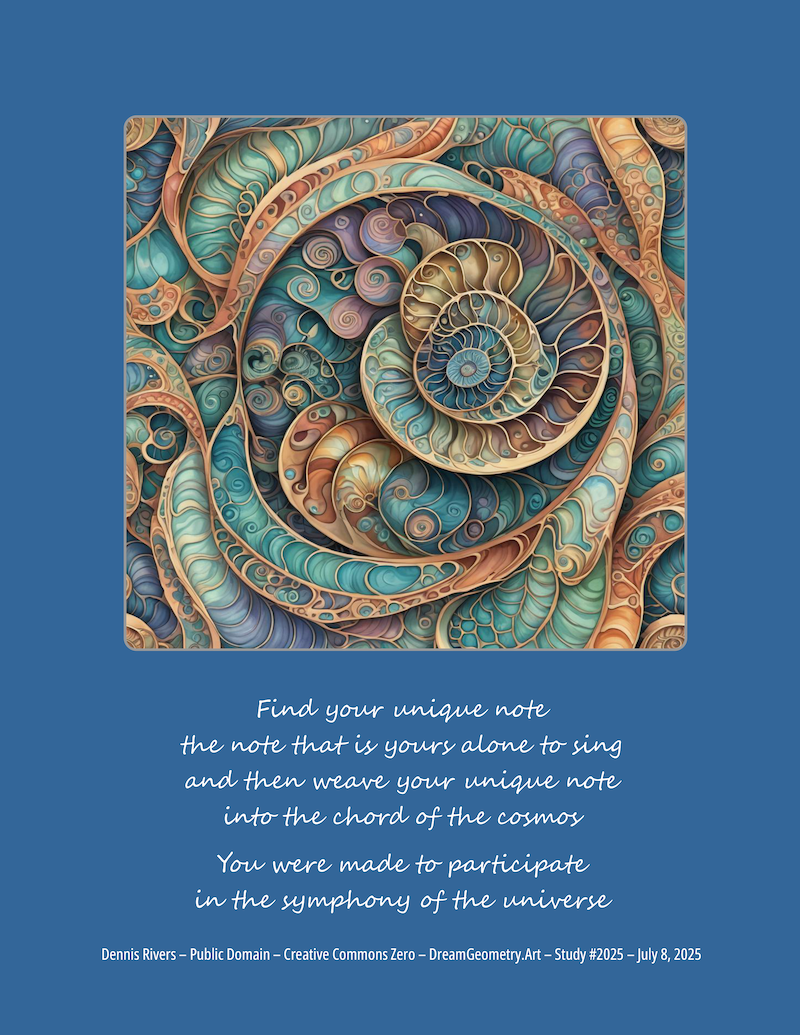
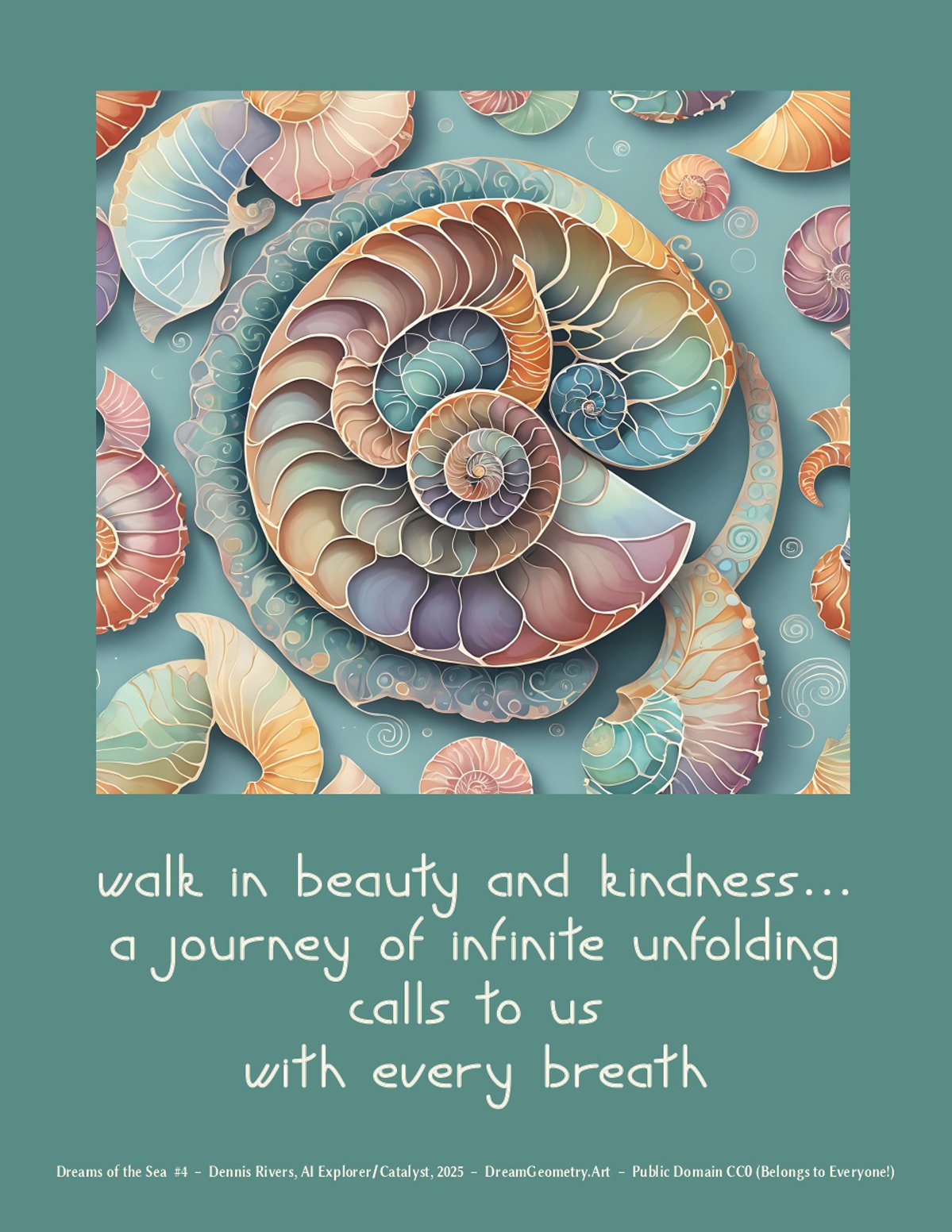
Neils Bohr (Danish Nobel prize-winning physicist and philosopher) once observed that the opposite of an ordinary truth is a falsehood, but the opposite of a great truth is often another great truth. It is a great truth of human life that we each need to develop our abilities as deeply as we possibly can. It is also a great truth of human life that we need to honor and nurture the webs of life, people, lands and seas around us, in widening circles. I am convinced that the more powerful we become with new technologies, the more deeply true both the above truths become. In the dream geometry of the Chambered Nautilus paintings below, I experience a celebration of our infinite interwovenness, a celebration of our complex developmental journeys, and a celebration of the One Life that holds us all.

I am totally convinced that…
The deeper the ugliness we intend
to confront and mend in the world around us,
the deeper the beauty
we need to carry within us.

As you seek to mend
the wounds of this world,
may you bring beautiful new light
into every room your enter!

To download these pdf images, please click on the poster titles below.

Dreams of the Sea #1102

Dream Geometry Study

Dreams of the Sea #4

By Dennis Rivers, created with the assistance of artificial intelligence, Oregon. Dennis is our volunteer webmaster. Dennis created these paintings (with help from AI) to inspire people to see the world around them with new eyes, a world in which greed and war were no longer needed. He feels that these images carry wisdom from Mother Galaxy. He writes, “I love the infinite-spiral-speaking to-us-from-another-dimension feeling that they offer.”

Dennis has offered these images as free posters with inspiring messages, rather than as traditional over-the-couch wall art pieces. He is excited about the Public Domain—Belongs to Everyone—aspect of this project. You may also visit his website, EarthPrayer.net. 


The Mangonomy

The Mangonomy: Celebrating the Mango Economy

By Satish Kumar, Editor Emeritus, Resurgence, U.K.
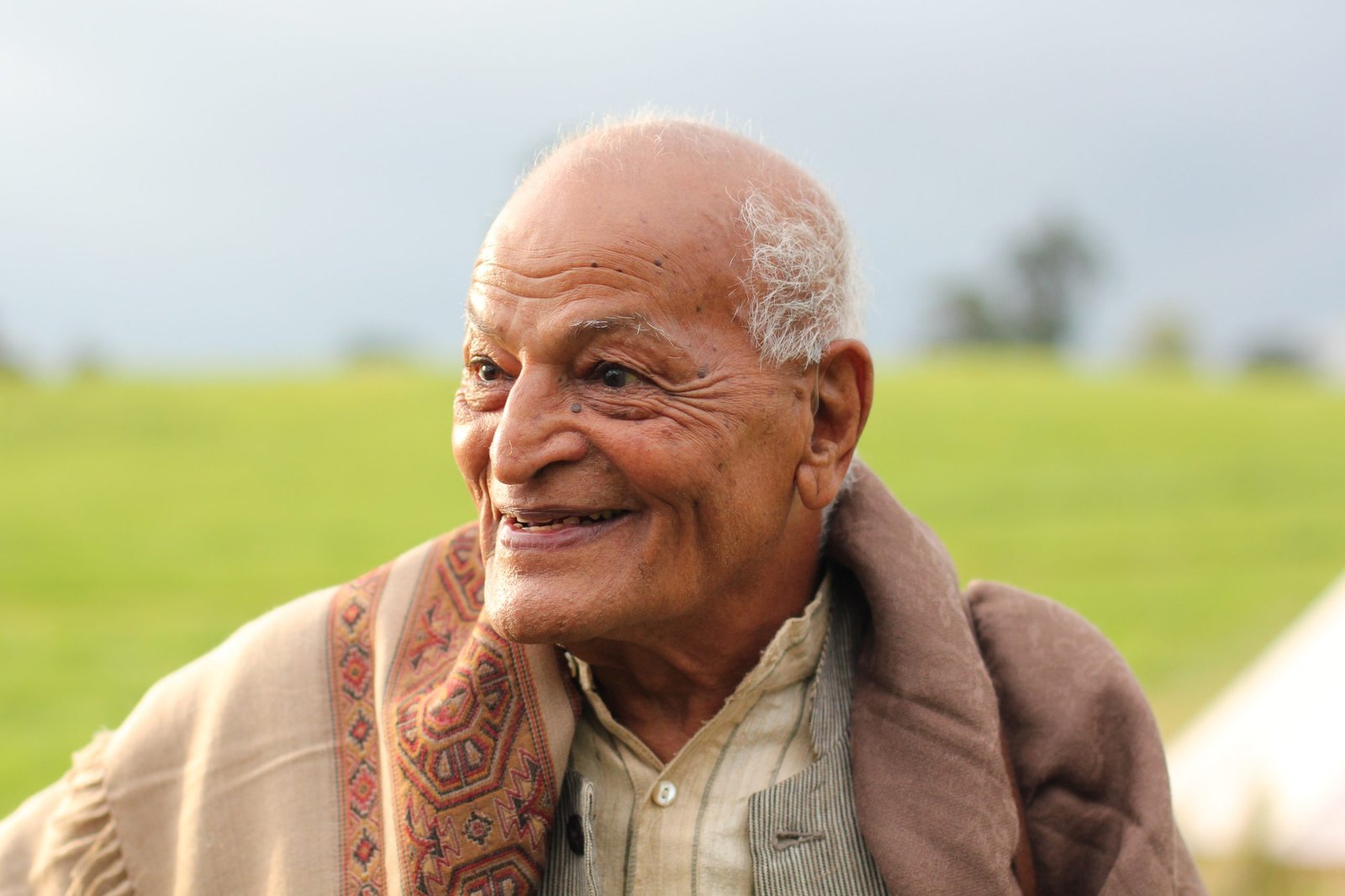
Satish Kumar, originally from India, is an author, editor, educator, and a world traveler. He lives in the United Kingdom. Photo by Daniel Elkan.

The economy of Nature is regenerative, resilient, abundant and cyclical. Nature produces no waste. In a forest there are no waste bins!

Take for example a mango tree and mango fruit. We invest one single seed in the soil, what I call the Earth Bank. Then there is slow but steady growth. That seed collaborates with the Sun, soil and rain, as well as pollinating bees and orchard keepers, and slowly it becomes a beautiful tree.

Within a few years that tree produces hundreds of magnificent mangoes, not just for one year, but year after year for forty to fifty years. What an amazing return! Each mango is delicious, nutritious, nourishing, fragrant, sweet, healthy, and beautiful to look at. The juicy and tasty flesh is packaged in a soft skin that can be composted to feed the soil. No waste, no pollution, and no plastic packaging. A mango tree gives oxygen in the daytime (which we humans need) and absorbs carbon dioxide for its own nourishment. What a great miracle!

The mango tree and the mango fruit are beautiful, useful, and durable. Artists take pleasure in painting them, photographers take photos, and poets are inspired to compose poems about them. 

Each mango has a seed within it. The one seed that we planted a few years ago has now multiplied into hundreds of seeds! Eventually from one original seed we can create a whole new orchard. No scarcity of seeds. No need to buy seeds. This is the ‘mangonomy’ of abundance.

The mango tree teaches us the importance of generosity and equality. A king or a beggar, a saint or a sinner, a priest or a prisoner, a human or an animal, a bird or a wasp—everyone is welcome to enjoy and to be fed by mangoes.

Never will a mango tree ask you, “Have you come with your credit card?” Everyone is welcome to have mangoes. No discrimination, no judgement, and no money is needed as far as the tree itself is concerned.

A mango tree needs no fossil fuels, no electricity, no wind turbines, no solar panels, and no batteries. It only takes passive solar energy, which is in constant supply. A mango orchard requires no factory floors, no concrete construction, and no infrastructure. Mango trees are self-sufficient, self-managed, and self-contained.

A mango tree gives more than mangoes. It provides branches for birds to nest in. It provides cool shade in hot summer for people and animals to rest, and firewood in a cold winter. At the end of its life mango wood is made into objects of daily use. A mango tree comes from the earth and returns to the earth. During its lifetime it benefits other species and does no harm to anyone.

This is a perfect economy. We humans need to be humble and learn from mango trees in particular, and Nature in general. I have chosen the mango tree to illustrate my point. But this is true of all the fruit trees and shrubs, grains and vegetables, herbs and flowers, and Nature in her entirety. 

Can any factory or industrial plant produce something as beautiful and beneficial, as good and harmless, as valuable and pleasing as a mango? Industrialists, business leaders and politicians talk about ‘the economy.’  But hardly anyone knows or understands the true meaning of economy. Economy is made of two Greek words: oikos and nomos. Oikos means ‘home,’ and nomos means ‘management.’ In the wisdom of Greek philosophers, the entire ecosystem is our home, and management of the ecosystem is the true economy.

But our modern economists, industrialists, businesspeople and politicians are not managing ecosystems. Instead, they are managing balance sheets, business plans, profitability, industrial production, and money supply. This is not the true economy. This is the ‘moneynomy:’  the management of money. They appear to treat ecosystems and Nature as a ‘commodity,’ a resource for financial gain, a means to the end of making money. Moneynomy is misnamed as economy, but, if the truth be told, moneynomy is anti-economy!

A PERFECT ECONOMY

Governments around the world agree on one thing:  economic growth! Whether a government is capitalist, socialist or communist, whether it is Hindu, Muslim, Christian, Buddhist or atheist, they all have one common goal, and that is the goal of economic growth. All countries live under the dictatorship of the moneynomy. This is not true growth in terms of a true economy. The growth they seek is growth in moneynomy.

In Nature’s true economy or mangonomy there are two types of growth:  vertical growth and horizontal growth. In vertical growth there is an optimum limit. A mango tree on average will grow to become thirty to fifty feet tall and then stop growing. An animal will grow to a certain limited height and then stop growing. A human being will not generally grow much beyond six feet. This is sustainable vertical growth. Then there is horizontal growth. Here we have much more flexibility. Forests, farms, and mango groves are not so limited in horizontal growth. 

The mangonomy is decentralized and widely distributed. No concentration of millions of mangoes on one tree!

LONG-TERM WELLBEING

So-called economic growth is vertical. The rich get richer and richer. There is no limit. Financial wealth concentrates in fewer and fewer hands. Extremely rich individuals of this world pursue vertical growth. Corporations like Amazon, Google and Apple also have vertical growth. For them enough is never enough.

Five to ten countries out of approximately two hundred have much higher economic growth, even though within these rich countries large numbers of people have a very low income and a low standard of living. Many people live in slums, and many are begging in the streets of rich countries. Such economic growth or money growth is largely vertical, without any benefit to a large number of people, and in the long run economic growth of this type also creates growth in pollution, waste and carbon emissions, which are all harmful to planet Earth. 

If we want the long-term wellbeing of the human race and the health of our precious planet, we need to shift our obsession with money management and focus instead on the proper management of ecosystems. Money should be simply a means to an end, the end being both human and planetary wellbeing. That will be the true economy! And the economy needs to be circular—what comes from the Earth goes back to the Earth. Minimum waste, minimum pollution, and minimum carbon emissions.

We can all learn this from a mango tree. Long live the mangonomy!

By Satish Kumar, Editor Emeritus of Resurgence Magazine based in Devon, United Kingdom. Satish is the author of many books, including Soil, Soul, Society and Radical Love, available from www.resurgence.org/shop

Note: This article was first published in Resurgence & Ecologist Issue 349, March/April 2025. All rights to this article are reserved to The Resurgence Trust and author. To buy a copy of the magazine, read further articles or find out about the Trust, visit: www.resurgence.org

 

Here and There with Every Bear

Here and There with Every Bear

By Sara wael, age 14, Al Ain, U.A.E.

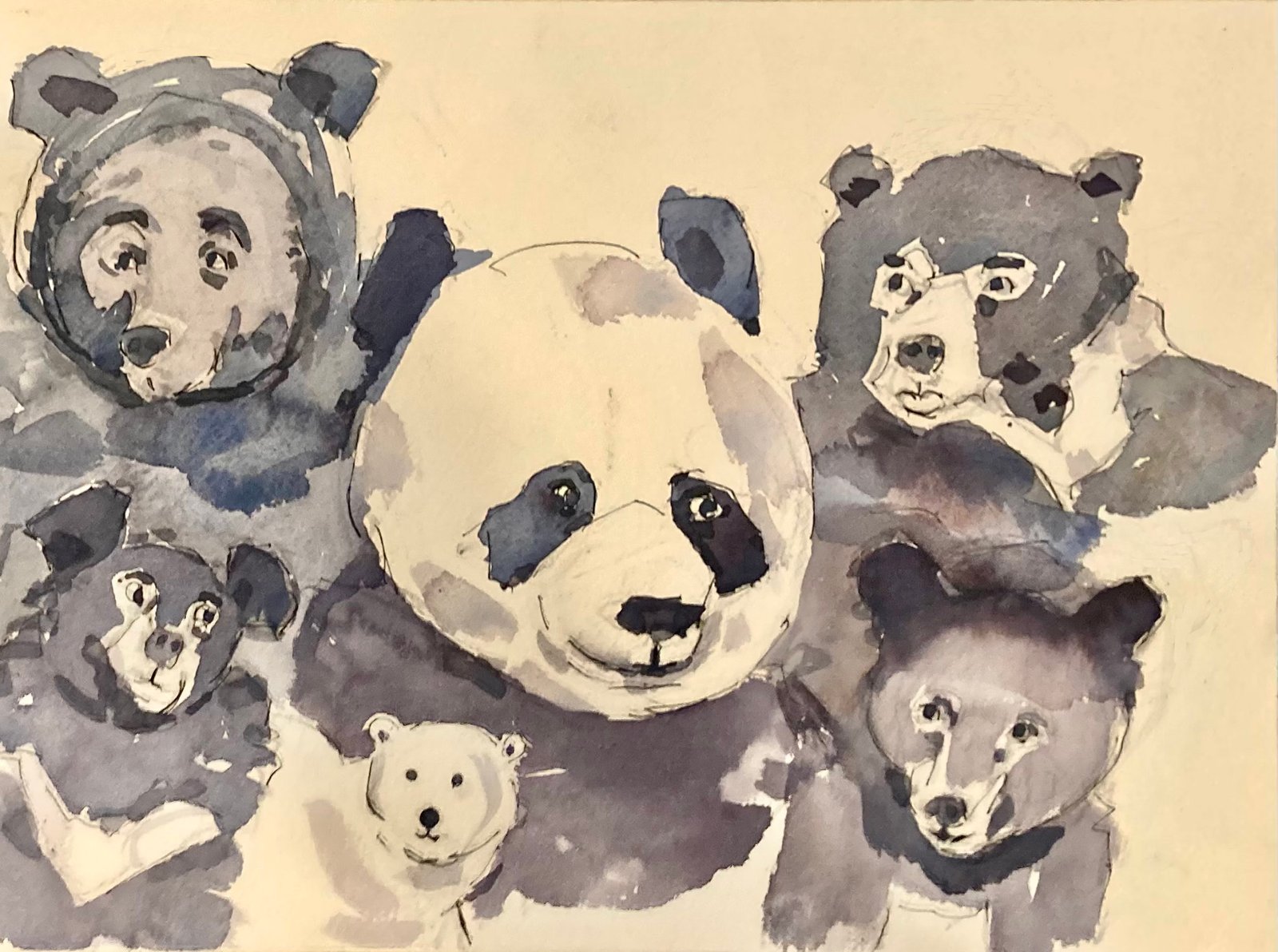
Bears by Daemion Lee, Oregon.

Bears here, bears there,
bears are found everywhere!
Let’s take a trip to meet them all,
Who’s your favorite bear of all?

First, we visit the panda bear,
Found in forests deep and rare.
They love to munch on fresh bamboo,
And nap around the whole day through.
They tumble, roll, and sometimes share,
Pandas are the playful bears!

Ready for more? Let’s move along,
To places chilly, wild, and strong!

Then we go where the weather snows,
And icy wind forever blows.
There we meet the polar bears,
Fishing for food and swimming in pairs.
White and tough with icy stares,
Polars are the coolest bears!

Keep the pace, there’s more to see,
The forest calls to you and me!

Soon we find a grizzly bear, tall,
Roaming the forest, proud and strong
Eating honey with a mighty swish,
Their claws are sharp, their steps are swift.
With watchful eyes and steady care,
Grizzlies are the protective bears!

Quiet now, don’t make a peep,
Moon bears rest where midnight sweeps!

Found at night in forests deep,
Where moonlight glows and shadows sleep.
There we meet the moon bears, shy,
Peeking up at the starry sky.
With quiet steps and gentle glares,
Moon bears are the mysterious bears!

Under stars, our journey’s bright,
Next comes bears with eyes of night!

Found beneath the northern skies,
With beauty bright in golden eyes.
There we meet the black bears, bold,
Clever, curious, and never cold.
With black, brown and soft dark hair,
Black bears are the boldest bears!

Now let’s explore the mountains high,
Where secret bears are passing by!

Hidden in the southern clouds,
In mountains deep, special and proud.
They wander alone in quiet steps,
And eat wild fruits on jungle treks.
They’re quiet, sweet, and very aware,
Andeans are the special bears!

Off we go, you’re almost there,
To meet a bear with shaggy hair.

Seen in grasslands climbing trees,
Their tongues stretch out with skill and ease.
They feast on bugs with great delight,
They sleep by day and wake at night.
They’re gentle, sweet, and beyond compare,
Sloth bears are the caring bears.

Now for last, the smallest one,
Our bear adventure’s almost done!

Finally, we meet the smallest bear,
Cute and sweet, with gentle care.
Found in tropics, bold and bright,
Resting deep through day and night.
With honey dreams and silly stares,
Sun bears are the cutest bears!

Bears here, bears there, bears live everywhere!
Let’s keep them safe with all our care.
From forests deep to mountains high,
They need our help to thrive, not die.
So show some love, be bold, be fair,
Who’s your favorite bear out there?

—Sara Wael, United Arab Emirates. She adds: “My name is Sara, and I’m 14 years old. I live in the U.A.E. in a city called Al Ain. I wrote this poem (which I hope to publish as a book someday) to help spread awareness about endangered bears and to shine a light on bear species that many people don’t know much about. I hope this poem inspires others to learn more about these amazing animals, their habitats, and just how important they are to our world.”

Why Permanent Standard Time Is the Best!

Why Permanent Standard Time Is the Best!

By George Nakajima, age 11, California.

Are you not tired of changing clocks twice a year? I believe we should adopt Permanent Standard Time for several compelling reasons: it aligns with our natural circadian rhythms, it is supported by scientific research on health, and it avoids the disruptions caused by Daylight Saving Time.

Los Angeles is located at about 34°N latitude. There are other countries on similar latitudes that do not observe Daylight Saving Time (DST), such as Japan, Taiwan, and Singapore. I chose to compare Tokyo (Japan) and Los Angeles as I have lived in both Tokyo and Los Angeles.

Right now, I live in Los Angeles, where we have DST. DST shifts the clock forward in spring and back in fall. This changes my body clock. In Tokyo, you do not need to change your clock, so you can live more naturally. But in Los Angeles, we need to adjust our clock twice a year—once in spring and once in fall. This is something we cannot easily get used to.

Only two U.S. states do not observe DST. They are Hawaii and Arizona. At first, I wasn’t sure if Utah and New Mexico used Daylight Saving Time. That’s because the Navajo Nation, which does use DST, covers parts of those states. I thought the rest of Utah and New Mexico might not follow DST. But after doing some research, I learned that both Utah and New Mexico do use DST, just like most other states. Several states, including Alabama, Colorado, Florida, Delaware, Georgia, Louisiana, Minnesota, Tennessee, and Wyoming, are trying to adopt Permanent DST. However, I believe we should keep Permanent Standard Time instead.

First, Permanent Standard Time is better aligned with our internal body clocks. According to the article, “Permanent Standard Time Is the Way to Go.”

Dr. Beth Malow, director of the sleep division at Vanderbilt University School of Medicine, explains: “Having light in the morning not only makes you feel more alert, but it also helps you go to bed at the right time at night.”

This highlights how waking up with natural light improves both our alertness during the day and our ability to sleep well at night.

Second, only a small portion of the world still follows Daylight Saving Time. Less than 40% of people worldwide observe Daylight Saving Time. Gabrielle Solis, a supporter of Permanent Standard Time, notes: “It first started as an effort to save energy, but research has found that the actual energy savings are minimal.”

This shows that the original purpose of Daylight Saving Time no longer applies effectively, making it less relevant in today’s society.

Many doctors believe that Permanent Standard Time is healthier. According to Gabrielle Solis, shifting clocks disrupt sleep and increase the risk of heart attacks and other health issues. By sticking to Standard Time year-round, we can create a healthier, more stable routine for everyone.

To conclude, sticking with Standard Time promotes a safe and healthy morning, aligns with our body clocks, and avoids the hottest part of the workday—something especially helpful for workers who dislike working in the heat. If you agree with my idea, please contact your local representative and support changing the law for good.

—George Nakajima, age 11, California. He will start middle school this fall.