Category Archives: Interfaith

The Alchemy of Love

The Alchemy of Love

By Satish Kumar, Editor Emeritus, Resurgence
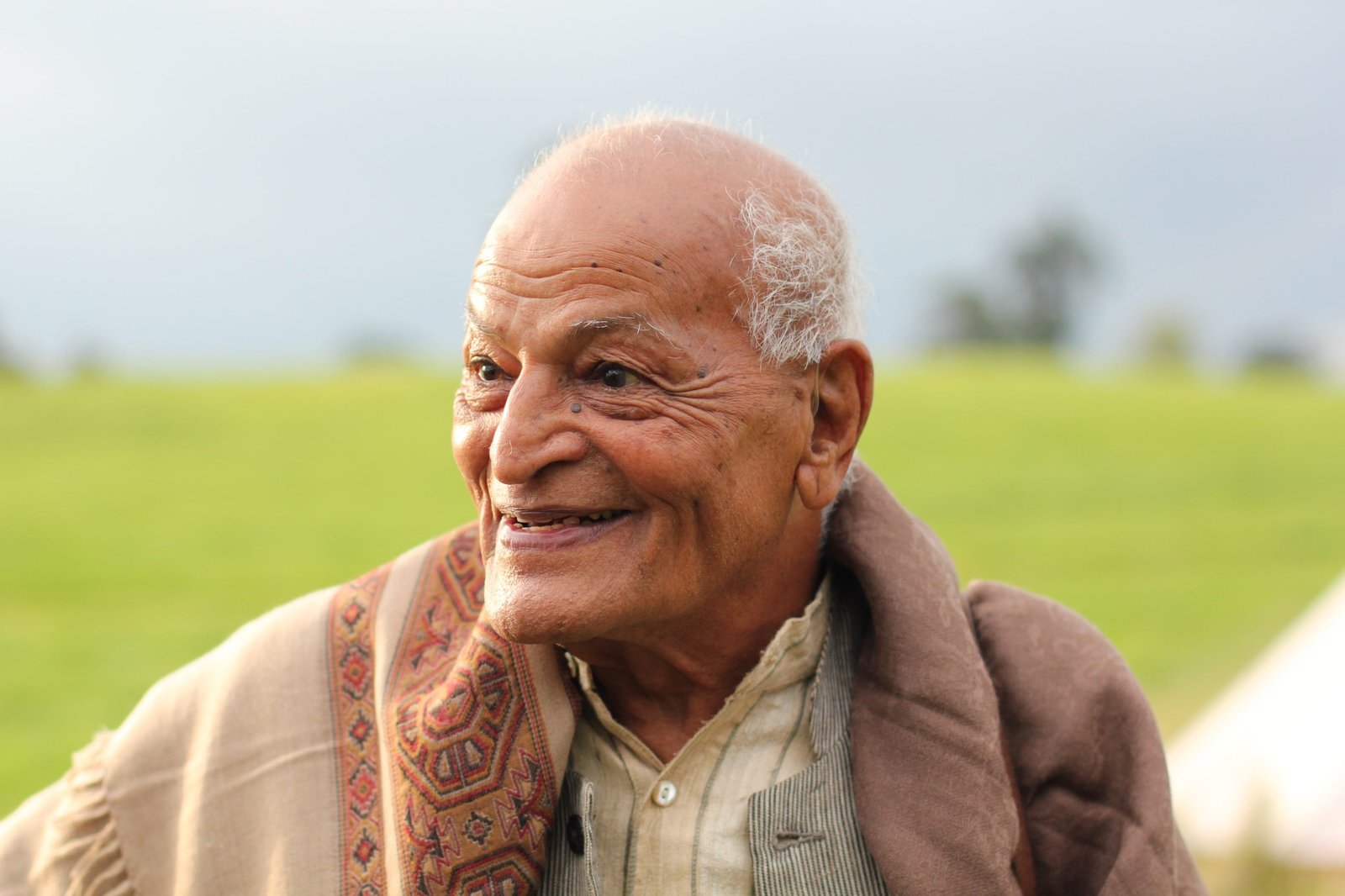
Satish Kumar, Editor Emeritus, Resurgence. Photo by: Daniel Elkan


“I have decided to stick to love; hatred is too great a burden to bear.” 

– Martin Luther King Jr.

Love is all very well, but can we love Vladimir Putin?

I am often asked this question, and I always give the same response, which is to say we must love Putin in order to transform him and save millions of innocent lives. Only love, I tell people, has the power to transform Putin. 

The Sufi poet Rumi wrote:

By love the bitter becomes sweet, 
By love copper becomes gold, 
By love pain becomes healing. 
And to this, I would add:
By love enemies become friends. 

This, then, is the true potential in the alchemy of love and in adopting love as a verb.

Wars and weapons can kill, but they cannot transform. And, of course, before one can kill some ‘undesirable’ person, one might kill thousands, if not hundreds of thousands of innocent people. In wars, millions are made homeless and become refugees. Schools, hospitals and homes are destroyed. Roads, railways and historic buildings are decimated. The price of food and fuel goes up. And it is those living in poverty who will suffer the most. In modern military operations, it is impossible to avoid civilian casualties.

Saddam Hussein and Osama bin Laden were killed, but before they died how many ordinary men, women and children lost their homes or their lives? How many soldiers on both sides were killed, wounded or forever traumatised? And after all the deaths and destruction, what was achieved? Nothing! Afghanistan is still ruled by the Taliban, and Iraq is still in chaos. If the greatest military power in the world, the United States, could not win a war after 20 years of fighting in Afghanistan, what hope is there for either side to win the current war in Ukraine?

If there is a lesson to be learned from the experience of recent wars such as those in Vietnam, Korea, Iraq and Afghanistan, then the lesson is simple and clear: wars are not only futile, but they are also obsolete; they neither transform tyrants nor accomplish peace. 

Nations have waged wars and practised hatred for hundreds of years and have failed miserably in their stated goals. The UK tried to conquer Afghanistan but failed, Russia tried to rule Afghanistan but failed, America tried to establish a friendly government in Afghanistan by military means but it too failed.

So now let them all try love. 

It is easy to love someone who is reasonable and agreeable, who is good and gracious. But to love someone who behaves in a narrow-minded, arrogant and selfish way requires real courage and strength. Making peace with Putin would be a sign of strength, not of weakness.

We need to understand that those who behave badly do so because they have not themselves been loved. The poet W.H. Auden wrote, “Those to whom evil is done do evil in return.” 

The path of love is taken by the brave and not by the faint-hearted. The real test of love is to love your enemy. Love conquers all. Amor vincit omnia. 

War prolongs conflict, but love resolves conflict. Love is as logical as it is magical. Love makes miracles. 

History is full of violent systems: slavery, apartheid, sexism, Nazism, colonialism, casteism and many more unpleasant ‘isms’. Some people think that communism is evil. Others think that capitalism is evil. And if we always take the path of confrontation and opposition in order to overcome these undesirable systems and to defeat our opponents by war, we are simply pouring fuel on the fire and then hoping to extinguish it.

Wise leaders have often proclaimed that the ends cannot justify the means. Noble ends must be pursued and accomplished by noble means – which include love and nonviolent resistance. There is no way to peace: peace is the way.

Mahatma Gandhi is believed to have said, “There are many causes I would die for. There is not a single cause I would kill for.”

We have witnessed the success of nonviolent resistance. Gandhi and the Indian struggle for independence, Martin Luther King and the peaceful campaign against racism in America, Nelson Mandela and the anti-apartheid movement, the Truth and Reconciliation Commission in South Africa. These are some utterly inspiring examples of nonviolent action founded on love. These movements brought about a change of heart leading to a change of regime. These movements were founded on the humility of hearts, on generosity of spirit and on an unconditional love for humanity. 

Love is letting go of ego and arrogance. To love is to accept the multiplicity of systems and the diversity of truths. Love is to live and let live. Love and selfishness do not go together. Love celebrates unity, ego imposes uniformity. Love embraces diversity; ego causes division. Love lets a thousand flowers bloom; ego wants a monoculture. Ego is driven by self-interest, love looks for common interest. Ego seeks separation, love likes relationship. Ego engages in self-seeking, love seeks mutuality and reciprocity. Ego leads to war, love leads to peace. Ego creates contradiction, love creates conciliation.

If we want peace, prosperity and happiness, then love should be a way of life for all of us. It is through love that we find meaning in our lives. The art of love needs to be learned and practised every day. As we nourish our bodies with food every day, so we can nourish our souls with love every day. Love is food for the soul. Love is the essence of life: love of ourselves, love of each other, love of people and love of Nature. No one, not even Putin, is our enemy. I would say the same thing to Putin: Ukrainians are not your enemies, Europeans and Americans are not your enemies. Only through friendship can the whole of humanity protect its common interests. 

Wars cause climate catastrophe. The production of weapons, the constant flying of military planes and the use of other military vehicles, including tanks, require huge amounts of fossil fuel. After the war is over, further fossil fuels are needed to rebuild destroyed buildings and damaged infrastructure. In war people suffer and Nature suffers. In war no one wins and everyone loses.  

War leaders sit comfortably in the Kremlin or in the White House. Soldiers suffer. Society suffers. War is pointless. War is unnecessary. War is uncivilised. War is hell. War is out of date. There is no other act as bitter, as traumatic and as stupid as war. War is immoral and irrational, whoever initiates it. 

Ukrainians blame Putin, Putin blames Ukrainians. But love takes us beyond this blame game. It takes two to fight a war and it takes two to make peace. But politicians of all persuasions seem to have lost the art of making peace. They seem to have forgotten the statesmanship, the statecraft and the craft of true diplomacy that are always rooted in deep love.

Nations know how to conquer the moon. They know how to destroy our precious planet Earth with nuclear weapons, not once but a hundred times over. But the presidents and prime ministers of Europe, the US and Ukraine don’t seem to know how to talk with Putin and help him see the futility of war and inspire him to seek peace! Nor does Putin seem to know how to befriend his neighbours like the Ukrainians and make them feel safe. What is the point of all this progress, what is the benefit of all this education and all the scientific achievements if the graduates of Oxford and Cambridge, Harvard  and Yale, Moscow and Beijing don’t know how to establish harmony among nations and peace among people?

Politics without wisdom is a very dangerous thing, and sadly, politicians do not know how to be true statesmen, ambassadors do not know how to be true diplomats, and religious leaders do not know how to practise love as a verb. Governments of all colours spend billions and trillions of dollars, roubles and euros in preparation for war while many of their citizens are homeless, jobless and hungry, living on food provided by food banks. 

I am a pacifist and a peacemaker. I do not excuse Putin for attacking Ukraine. But I want Ukraine and the supporters of Ukraine, as well as the Russians and their supporters, to rise above their narrow national interests and seek the common interest of the whole of humanity.

Love safeguards the interests of everyone. 

The consequences of wars are so tragic that we need to avoid them in all circumstances. Like the medical profession, politicians need to take an oath to do no harm. No harm to self, no harm to other human beings and no harm to Nature. If such an oath were to become an integral part of international law, Putin could not attack Ukraine. The USA could not attack Iraq. 

Hugely militarised nations live in constant fear and insecurity, forgetting that true security resides in trust, not tanks. Only the power of love can free them from fear of the other. 

When wars become unpopular, leaders are compelled to negotiate and compromise. Neither side gets their way. Both sides are forced to find a mutually acceptable solution. Why could they not do this in the first place? Why not find a negotiated agreement instead of all the deaths and destruction?  Peace is common sense, but conflicts and common sense don’t go together. Unfortunately, common sense is no longer so common!

If we harbour hatred for Putin in our hearts, we are victims of our own hatred. Therefore let us choose love in place of hatred. Hatred is not good for us. Our true self-interest and our true security are both embedded in love, not in hatred. This is tough love. I call it Radical Love. I know I am being an idealist, but the way of the pragmatists is causing chaos. So why not give idealism a chance? 

So yes, we need to love Putin, and we can love Putin. If we loved Putin, he would have no excuse to go to war. Love is unconditional, unlimited and abundant. Love is for all. Let us bring a monsoon of love to Moscow and soften the dry soul of Putin.

My message to Putin is the same:  Stop war and try love.

And my message to Europeans and Americans is the same:  Stop adding fuel to fire.

It is time to bring the rain of love, forgiveness and peace to the fire of war in Ukraine—a war that should never have been started. 

—Satish Kumar is the recipient of the Goi Peace Award 2022. His new book, Radical Love, is published by Parallax Press and is available now from www.resurgence.org/shop

This article was first published in Resurgence & Ecologist Issue 337, March/April 2023. Used with permission. All rights to this article are reserved to The Resurgence Trust. To buy a copy of the Resurgence magazine, read further articles or find out about the Trust, visit www.resurgence.org

Remembering Kwanzza

Remembering Kwanzza

I announced,  “Happy Kwanzza!”

Out of a genuine gesture

Of brotherhood

Without doubting whether I should

To a fellow stranger

Who was not in my brown

Skin

He was filled with wonder when

The words spilled out of my mouth

And asked, “Are you talking to me?”

Of course I am, I replied

It IS about unity and building

Relationships

“Oh!” he said with a startled look

Passing along the surprise in his

Eyes to the multi-heritage child

Whose hand he held

“Happy Kwanzza!” she erupted

Breaking the quiet stillness in 

The check-out line

Barely old enough to speak or

Understand

—maggie d., African American poet, Washington.

Girl Meets Belief

By Ishita Shukla, 16, India.

In 1425 CE, Joan of Arc, a 13-year-old girl, believed that she heard the voice of God telling her to drive the English out of France. Consequently, she was tried for witchcraft and heresy in 1431 CE, at the age of 19.

Crazy, right? But what if she wasn’t crazy and deeply believed in something? The greatest thinkers of the world believed in some concepts so strongly that it changed the world. Different people have faith in different things. And that’s ok; 7% of the world population are convinced Atheists. But that doesn’t mean they don’t have faith in other people, in a better world, in the mysteries of the universe. Some blindly trust a higher power, and others have faith in their morals and actions. I believe in people, and their confidence in a higher power, which makes me feel safer.

However, it is hard to develop strong credence, not just in ourselves but in the ancient and immortal God. People take years to search for their passions, the ideologies worth for them to fight for. In this complex world, with new innovations, evolving dogmas, surprising tenets, it is hard to maintain our faith in a person or thing because we don’t always get what we desire and blame it on the higher power rather than our actions. It is a constant struggle where we are never sure of the outcome.

So why is it easy for some than others? I am still searching for an answer. I believe many abandon faith when circumstances are difficult and answers are slow in coming. Learning to trust takes practice because faith isn’t maintained when we fail to see the reality behind our higher power and morals. Faith requires a vision; faith requires seeing with spiritual eyes.

“For we live by faith, not by sight.” (2 Corinthians 5:7 NIV).

And of course, it also requires the perky “p” twins, perseverance, and patience.

Ah, and this leads to a question. We have all walked through life long enough, our blissfully empty heads. But what do you believe in? What is your calling? Who do you blindly trust? What ideologies are worth fighting for?

No one has enough power to force you into believing something, but it is much harder to introspect ourselves.

By Ishita Shukla, 16, India.  She adds: “I am an aspiring writer from Hyderabad, India. I write to express myself, my views on topics that are so common that they are rarely talked about for e.g. fears, belief system, etc. My dream is to do research in economics while continuing my love for writing and reading. Writing is a very cathartic activity for me. I pour all my insecurities, my passions onto the paper.”

Sri Lankan (Sinhalese) New Year

Sri Lankan (Sinhalese) New Year

By Seja Kularatna, Age 10, Wisconsin.

Hi my name is Seja. I am 10 years old, I live in Wisconsin, and my parents are originally from Sri Lanka. I will tell you about the Sri Lankan New Year. Sinhalese New Year, called Aluth Avurudda in Sri Lanka, is celebrated on April 13th or 14th each year.

Sri Lanka is an island country that is just south of India. The temperature is always warm in Sri Lanka.

This year, the Sri Lankan New Year is on April 14th. Before this special day, people make preparations that include cleaning and redecorating our houses, making of Kevum (our traditional sweets) and Kiribath (milk rice) and engaging in religious observances.

Every year, here in the United States, we have a Sri Lankan New Year Celebration with friends and family. We have lots of yummy dishes, games, and entertainment.

Ladies wear Sarees and the girls wear Lama Sarees. Lama means kids in Sinhalese, so they wear kid’s versions of the Sarees. The men and boys wear traditional clothing. They have long sleeved shirts and sarongs. Sarongs are like long skirts for boys and men. The kids wear their white clothing to sing the Sri Lankan National Anthem.

For the New Year celebration, the kids perform dances or sing Sinhalese songs. Our parents begin training us a few months prior to the celebration. Usually, we do group dances with other kids, so we go to each other’s homes to practice. The parents make our dance costumes.

On the Sri Lankan New Year, there are different types of food. Lots of people like to make something at home and bring it to share. We usually eat rice with other side dishes, and when we’re done, we eat sweets.

The adults plan games for the kids. We usually play games like Tug of War, Draw the Eye on the Donkey, Musical Chairs, and more.

The Sri Lankan New Year is an occasion to pay homage to our elders and receive their blessings, to renew our relations with friends and relatives. It is time for great fun and enjoyment for the kids. My favorite part is practicing the dances with our costumes and props.

By Seja Kularatna, Age 10, Wisconsin.

Our Buddhist Meditation Class

Hi my name is Seja. I am 10 years old. I live in Wisconsin, and my parents are originally from Sri Lanka. I will tell you about our meditation classes.

My meditation class is usually held once a month, on a Sunday. I get to see my family friends. The class takes place at one of the homes. A Buddhist priest comes to meditate with us and teaches us Buddha’s teachings. We call the priest a Sadhu.

When everyone arrives, we start the meditation. First, we take refuge in Buddha Dhamma Sangha. The first three lines are: “Namo Tassa Bhagavato Arahato Samma Sam Buddhassa.” And we repeat that three times.

After that we recite the five Buddhist precepts, which are:

  • I shall not kill.
  • I shall not steal.
  • I will not be greedy for worldly pleasures.
  • I shall not lie.
  • I will not take intoxicating substances.

Then we do a compassionate meditation. To begin, we say: “May I be well, happy, and peaceful. May I be free from hostilities. May I be free from afflictions. May I be free from distress. May I be capable to overcome all the difficulties in my life. May I live happily and in peace.” We start with ourselves and then wish the same for our parents, siblings, relatives, teachers, friends, and finally, for all the living beings.

After all of that I feel relaxed, calm, and happy. The priest also asks some questions. For example, he asks us to think about other kids around the world, and how hard it is for some of them to get food, clothes, go to school, and so much more. He says that we should feel fortunate for having food, clothes, a good school, etc.

I sometimes think that since I have resources that some people don’t have access to, I should take care of what I have and not waste anything. I should be grateful and not waste what I have, and also donate and help others in need whenever possible.

The priest sometimes gives us books to read. There is one he wrote that I really like. It is called, “Why Mama wasn’t worried.” It is a great story.

After we’re done with the formal part, we serve the priest Sri Lankan food. Until he is done, us kids play a little bit. When the priest is done, we eat next, and then the adults.

When everyone is done eating, the parents and the priest talk a little bit and then we all bow to the priest before he leaves.

This meditation class is very helpful to me. I learn a lot about many things. My favorite part of the class is serving the priest and doing the compassionate meditation.

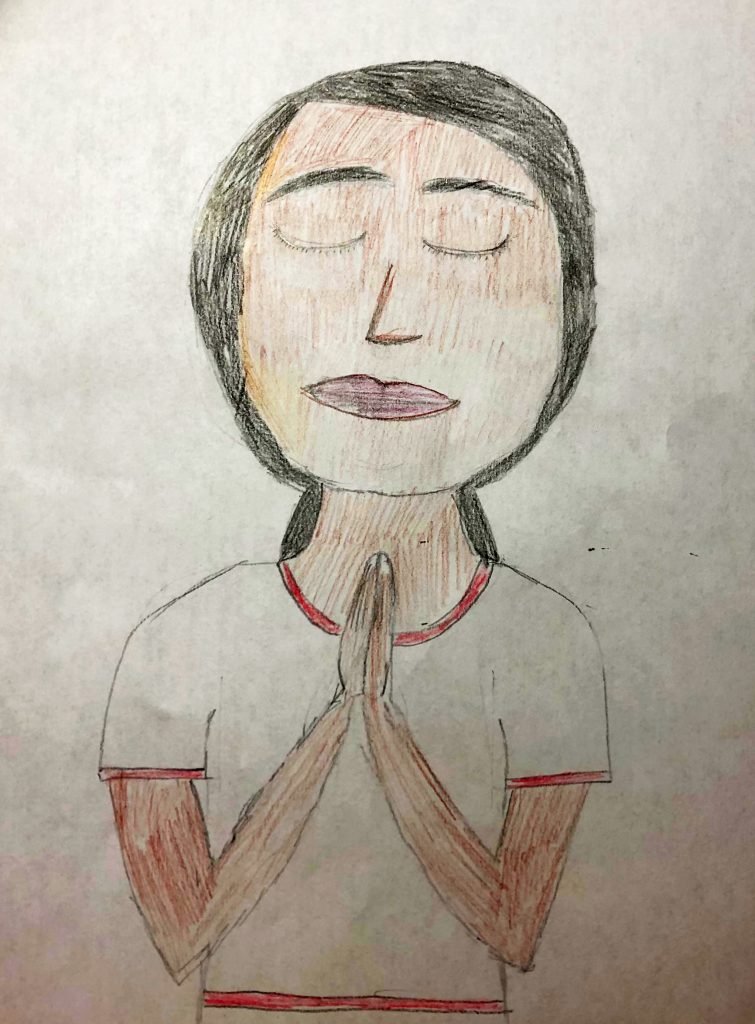
Art and writing by Seja Kularatna, Age 10, Wisconsin.

A Gift

By Chad Glang, Ph.D., Colorado.

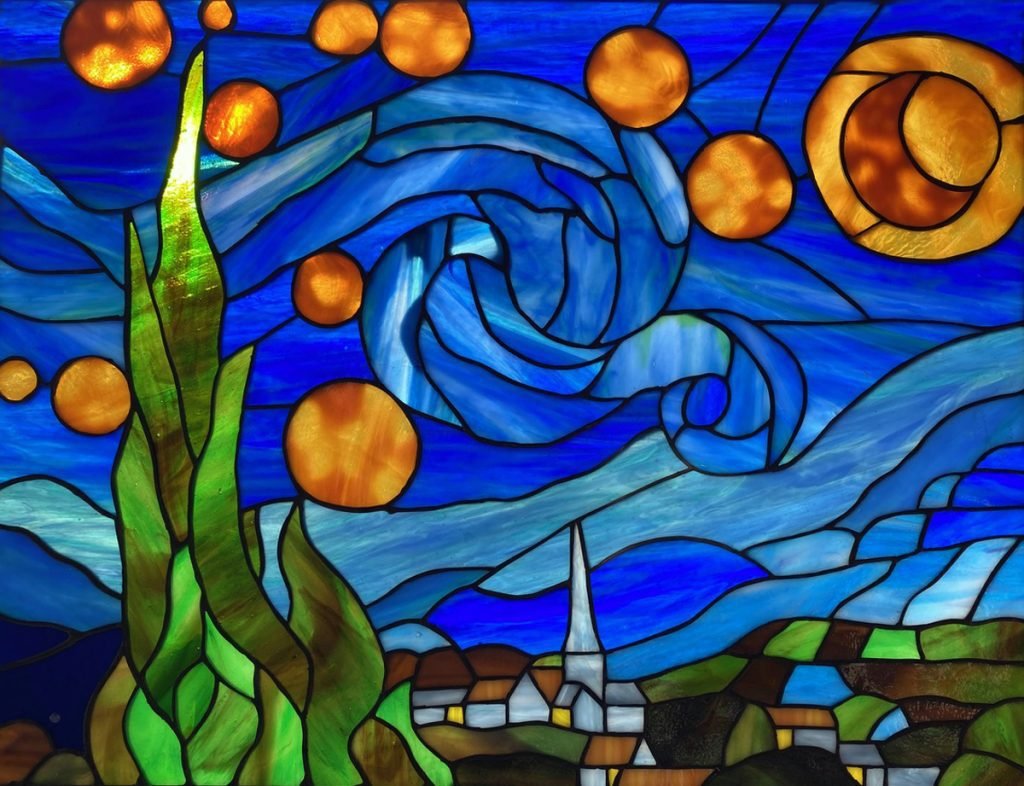
Stained Glass Art by Chad Glang, Colorado.

Someone asked me recently when was it that I first awakened to the spiritual side of life.
 
I have a vivid memory from my time as a student in France. I was 19, and several of us were invited to be companions to kids at a nearby orphanage. In several visits, I connected with a boy of eight. In our final afternoon together he went to his bureau—container of all his worldly possessions. 

He brought out a rare, treasured postage stamp and handed it to me: Un cadeau pour toi, “A gift for you.” 

I was so touched. I pulled out my wallet and found a memento I prized. “Great! We’ll trade,” I said.

His was crestfallen, his eyes filled with tears. “No, not a trade… it’s a gift. I want to give it to you.” I stopped breathing. Oh… I had denied him the experience of giving. In my discomfort with the vulnerability of being the receiver, I’d reflexively moved to equalize the relationship. Unaware, acting out of my own feelings, I’d walked on his feelings… and his dignity. 

More than fifty years later, I am still brought to stillness by this memory. I denied the gift of the stamp; I could not deny the gift of the learning. There’s something more going on here… it’s not just about what my limited, if well intentioned, ego can comprehend.

I didn’t have words for that experience at the time, which was part of its power. Now, the Sanskrit greeting Namaste comes to mind: “The place in me of love and truth and light greets the place in you of love and truth and light.” 

At a given moment, we may be wearing particular hats, like server and served, but we are all in this together…and deep down we are all the same.

—Chad Glang, Ph.D., lives a retired life in Colorado. He works with stained glass, hikes, bikes and camps. He practiced counseling psychology for 40 years. 

Kindness Is Magic

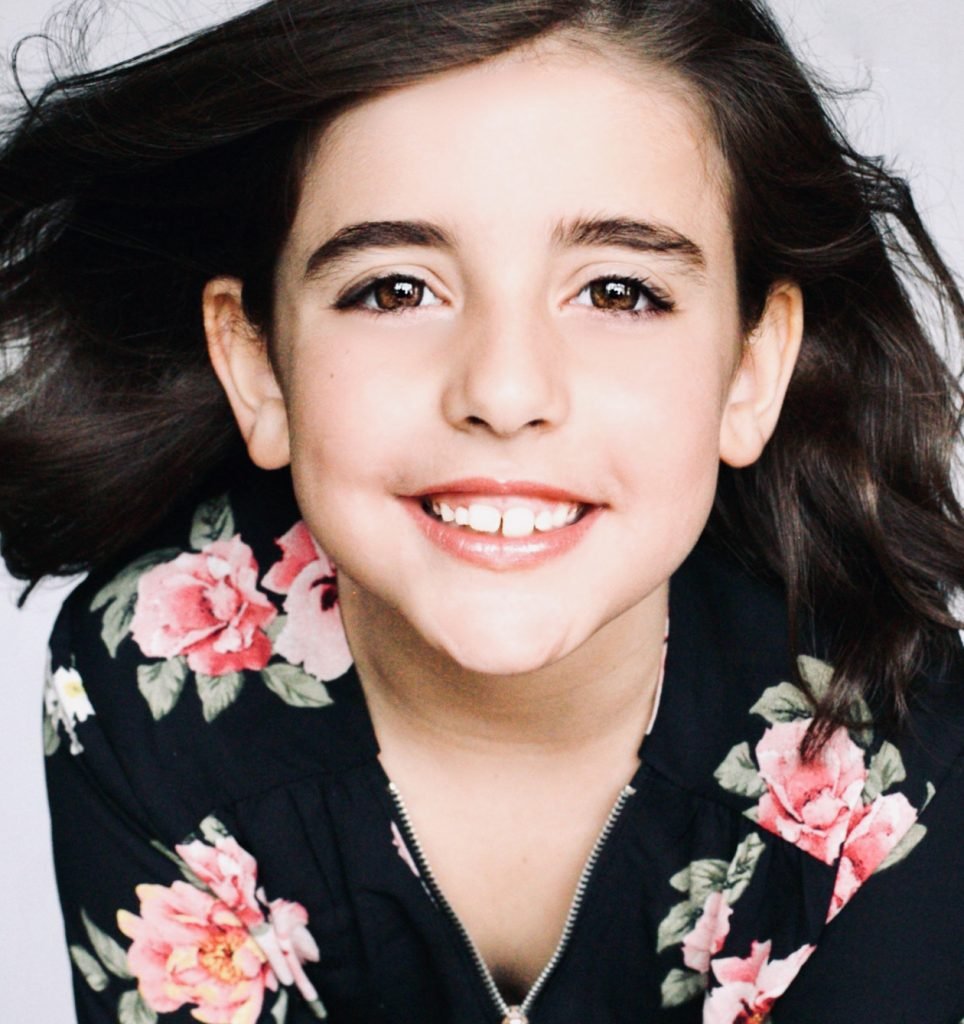
By Lila Drowos, age 10, Florida.

Kindness, whether it’s you being kind to someone, or someone being kind to you, can make you happier and healthier. Even small acts of kindness can change a life and make you feel better. But can kindness also be good for you, the person you’re kind to, and even others around you? Can it keep you healthy and relaxed? What exactly are the benefits of kindness?

The good feelings you get when kindness is happening are created by endorphins, pleasure chemicals that are connected with joy and pleasure, social connection, trust, smiling, laughter, and love, which can also come from doing an act of kindness. Kindness also helps us form meaningful relationships and connections, making strong friendships and bonds with others. Being kind can reduce stress as well, which makes you healthier and calmer, and creates pride, belief and confidence in yourself, and a sense of belonging.

Kindness can also help you learn to appreciate the good things in your own life. It can help you be more grateful. It’s always good to have some gratitude for the good things in your life, rather than focusing on the bad. Kindness can also boost your creativity and help you have a better imagination and ideas which can produce better results in school. It can also reduce the effects of bullying. And there’s the ripple effect, treating others how you want to be treated. If you’re kind to someone, they could go and help someone else, spreading kindness and helping the world become better, happier, and healthier. Witnessing acts of kindness can also produce other chemicals in your body that help lower your blood pressure and improve your overall heart-health. It can also give you optimism and extra confidence, which is extra helpful when you’re anxious or shy in any situation.

Kindness strengthens your heart physically and emotionally and it can help you live longer, and prevent illness. Also, serotonin levels, the feel-good chemicals in our brains are increased in both the person being kind and the person receiving the kindness, as well as anyone who witnesses that kindness.

Kindness is a wonderful way to feel happier and healthier for everyone!

“I am a fifth grade student and I attend a religious day school where I am learning about my Judaism. Being Jewish is really important to me because it connects me to my family and community. I am also learning to speak Hebrew in my school, which is a language traditionally spoken by Jewish people. We have different values and traditions and I am really interested in learning about the history of my people, and how it has shaped our beliefs as a community. 

One of the things that are important in Judaism is our focus on Tzedakah, which is the Hebrew word for charity. Kindness is very important to me and I like to help others. Some of my favorite ways to volunteer and give charity include preparing and delivering food to people that don’t have any, collecting supplies to donate to people in need, and picking holiday presents for families that can’t get them. 

Another important value in Judaism is Tikkun Olam, which means making the world a better place. Helping the environment and protecting it is very important to me as well. I care about sea creatures that get harmed by eating plastic that blew into the ocean, as well as land creatures that may eat trash. Recycling and reducing waste are ways that anyone can help, and take care of our planet, which is very important. 

When I think about what Tzedakah and Tikkun Olam have in common, they are both rooted in kindness. Kindness is a way of achieving a better world and making the planet that we live on a better place. I wrote my essay in honor of World Kindness Day, which was on Friday, November 13th this year. To me, kindness is very connected to my Jewish values and is something I want to teach others about.”

Lila Drowos, age 10, Florida.